

【軍傳媒/國際軍事新聞】2019年,美國時任總統川普(Donald Trump )公開表達美國有意取得格陵蘭的構想,隨即在歐洲政界與主流媒體中引發強烈反彈,丹麥政府迅速否定此一可能性,相關討論多半被定調為缺乏外交分寸的政治失言。然而到了川普的第二任期,已經無所顧忌顯露強人本質的川普於2025年底再度提出類似言論,且直接以武力及關稅威脅,批評者認為儼然是帝國主義再現。雖然川普在瑞士達沃斯(Davos)世界經濟論壇(WEF)發表的演說中,再度髮夾彎明確表示不會以武力奪取格陵蘭,但強勢呼籲「立即談判」,討論收購格陵蘭,且宣布撤回對歐洲八國加徵關稅的威脅,但同時宣布已與北約(NATO)就格陵蘭及北極地區達成「框架協議」。
若從軍事地理與大國競逐的長期結構來看,川普的構想並非情緒性發言,而是將一項長期存在、卻始終被低調處理的戰略現實攤在檯面上。且維持一貫「川普想要、川普得到」的強勢主義,先以商業提出購買、再以武力攻擊威脅、同時祭出關稅制裁,逼迫對手做出讓步後再軟化得到比預期好的談判成果。這是川普政府一貫的手段,體現在與各國的談判上,包括台灣也是如此。如果自身沒有足夠的底氣與之抗衡,就會被迫接受如今的大國壓迫政治現實,如同加拿大總理卡尼 (Mark Carney) 在達沃斯發表演說中提到,呼籲世界中等強國必須團結起來,抵制來自咄咄逼人的超級大國的脅迫。

從冷戰預警到北極戰略樞紐
格陵蘭在二十一世紀的北極安全架構中,已不再只是不重要邊緣區域,而是足以影響全球戰略平衡的關鍵樞紐。在冷戰初期,美蘇核戰略的基本假設之一,是洲際彈道飛彈將沿北極最短航線進行打擊。因此美國必須在北極建立一條可靠的預警與指揮鏈,而格陵蘭因其地理位置,成為不可替代的前沿感測節點。1951 年,美國與丹麥簽署格陵蘭防務協定,正式取得在當地設置軍事設施的權利,其最具代表性的成果,便是今日的 Pituffik Space Base。在冷戰高峰期,該基地的核心任務集中於洲際彈道飛彈的早期預警、北美防空體系的感測支援,以及戰略轟炸機北極航線的中繼。
冷戰結束後,北極地區一度被視為低衝突空間,美國與北約的戰略重心轉向中東與反恐作戰,格陵蘭的重要性因此被系統性低估。當時判斷俄羅斯已無力重返北極進行大規模軍事部署,且極端氣候將持續限制北極的軍事與經濟活動。然而,這兩項前提在二十一世紀第二個十年後陸續失效。
先是川普極力否認的氣候變遷導致北極海冰季節性消退,使北方航道從理論構想轉為可實際運用的戰略航線。俄羅斯迅速將其納入國家級戰略規劃,不僅投入資源進行基礎建設,也同步強化軍事部署。近年來,俄羅斯在北極圈內重啟多處冷戰時期空軍基地,建立專責北極作戰的常備部隊,並以北方艦隊為核心,提升核潛艦在高緯度海域的巡弋頻率。北極因此不再是戰略真空,而是逐步形成具備完整軍事節奏的作戰空間。
在此背景下,格陵蘭的地位被重新定義為北極西側的戰略要地,但是現行由 Denmark掌控的主權架構,決定了其軍事角色的上限。格陵蘭雖隸屬丹麥,但擁有高度自治權,丹麥政府在防務決策上需同時顧及國內政治、自治政府的經濟發展需求,以及北約內部協調的節奏。這種治理結構在和平時期具備正當性,卻不利於快速、集中且高密度的軍事部署。
實際上,丹麥在格陵蘭的軍事存在,主要功能在於維持主權象徵、執行海空巡邏與搜救任務,其本質屬於治理型防務,而非戰區主導型防務,其派駐島上軍隊不足百人,且連自身在軍事預算上的投入也不足。面對俄羅斯在北極的軍事擴張,丹麥多半透過北約政治協調回應,而對於中國以科研與投資形式進入北極,則以行政審查與政策限制為主要手段,此類回應方式在低烈度灰色競逐中尚可運作,但某種程度來說就是歐洲長期綏靖主義的呈現,不主動挑起爭端,將爭端以政治方式平息,這種方式沒辦法嚇阻有野心的國家,同時在高強度軍事對峙的情境下,缺乏主動塑造戰略環境的能力。

北極再軍事化與主權能力的落差
相比在假設的情況之下,若格陵蘭由美國直接掌控,其戰略意涵將產生質變。美國將能在無政治障礙的情況下,全面升級北極預警與反導體系,整合陸基、海基與太空感測資產,實質延伸核戰決策的反應時間。同時,格陵蘭也可由單一感測中心點,轉化為北極整體拒止體系的一環,支援反潛監控、長程防空與戰略轟炸機的前推部署。這不僅壓縮俄羅斯在北極的行動自由,也將從結構上限制中國在北極建立準戰略立足點的可能性。
俄羅斯的核動力破冰船「雅庫提亞號」(Yakutia)2022年11月在聖彼得堡下水,俄羅斯將北極視為其對亞洲貿易成長的關鍵,部分目的在於抵銷西方國家因2022年全面入侵烏克蘭後,對其石油與天然氣實施的制裁影響。從從軍事角度觀察,2025年9月,北極地區的俄羅斯北方艦隊舉行包括兩棲登陸行動,以及水面艦艇與核潛艦的實彈射擊等軍事演習,2024年,中俄兩國轟炸機在亞洲與美洲大陸交界處、靠近美國阿拉斯加州的空域,進行聯合巡航傳達威懾意圖,同時加速建造多艘能攜帶水下潛航器的破冰船到北極地區進行海底探測,顯示北極地區未來可能成為美亞地緣政治的爭奪焦點。
川普政府提出的格陵蘭構想,並非外交失誤,而是一次罕見將長期存在、卻被制度性低調處理的戰略判斷公開化的行為,川普政府的MAGA主軸很明確,只要是對美國川普政府政治利益有益的事,就是他的最高優先。在大國競逐重新主導國際體系的時代,格陵蘭的戰略地位,已超出象徵性主權所能涵蓋的安全需求層級,其未來走向,將深刻影響北極是維持可控的防禦縱深,或進一步演變為高強度對峙的前線戰區。

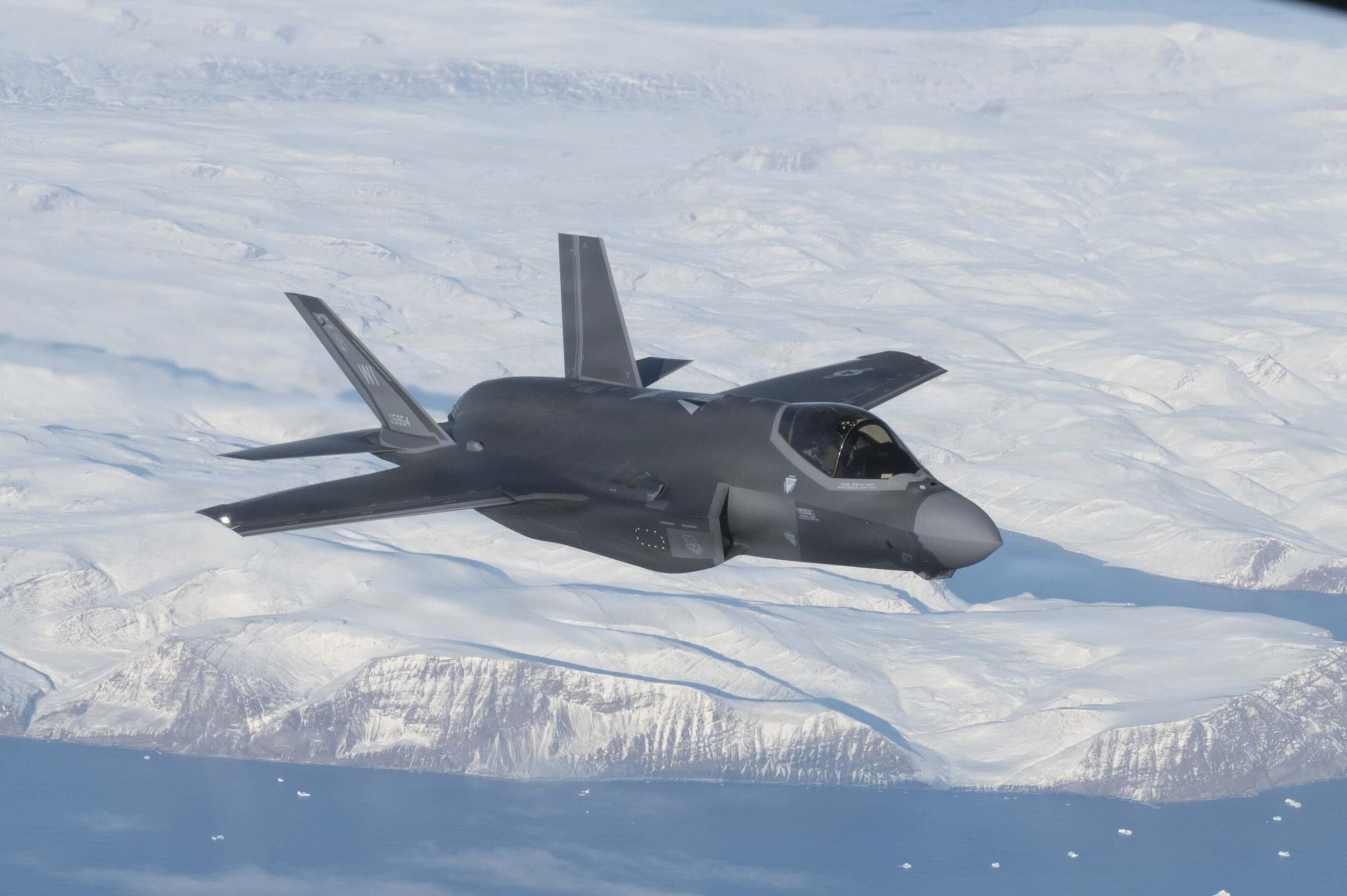
要在北極地區執行任務,必須有高度彈性與適應能力,以因應這個多變且嚴苛的環境。(U.S. Air Force photo by Staff Sgt. Maxim Dewolf)
In 2019, then U.S. President Donald Trump publicly floated the idea of acquiring Greenland, triggering immediate backlash from European governments and media. Denmark swiftly rejected the proposal, and it was largely dismissed as a diplomatic misstep. Yet during Trump’s second term, the issue resurfaced in a far more assertive form. In late 2025, Trump again raised the prospect of Greenland, this time accompanied by explicit threats involving military force and punitive tariffs—moves widely criticized as a revival of imperialist coercion.
Although Trump later stated at the World Economic Forum in Davos that the United States would not seize Greenland by force, he simultaneously called for “immediate negotiations” over its acquisition. At the same time, he withdrew tariff threats against several European states while announcing that the United States and NATO had reached a “framework agreement” concerning Greenland and the Arctic region. This sequence of escalation followed by partial de-escalation was consistent with Trump’s transactional approach to international bargaining.
From the perspective of military geography and long-term great-power competition, the Greenland proposal was not an impulsive outburst. Rather, it exposed a strategic reality that had long been acknowledged quietly but rarely articulated openly. Trump’s method—beginning with commercial offers, escalating through military and economic pressure, and concluding with softened demands once leverage is established—has been a recurring feature of his diplomacy. In an international environment increasingly shaped by coercive power politics, states lacking sufficient strategic leverage risk being forced into unfavorable outcomes. This concern has been echoed by several middle-power leaders, who argue that collective resistance is necessary to counter superpower intimidation.
Within the contemporary Arctic security architecture, Greenland is no longer a peripheral territory. It has become a strategic hub with direct implications for global power balances. During the early Cold War, U.S.–Soviet nuclear planning assumed that intercontinental ballistic missiles would traverse the Arctic along the shortest trajectories. This logic compelled the United States to establish an early-warning and command network across the region, with Greenland serving as an indispensable forward sensor due to its geographic position.
The 1951 Greenland Defense Agreement between the United States and Denmark formalized this role, enabling the establishment of military facilities that culminated in what is now Pituffik Space Base. At the height of the Cold War, the base’s primary missions centered on ballistic missile early warning, support for North American air defense, and servicing strategic bomber routes across the Arctic.
Following the Cold War, the Arctic was widely perceived as a low-conflict zone. U.S. and NATO strategic priorities shifted toward the Middle East and counterterrorism, leading to a systematic downgrading of Greenland’s importance. This reassessment rested on two assumptions: that Russia lacked the capacity to remilitarize the Arctic, and that extreme environmental conditions would continue to limit sustained military activity. Both assumptions eroded rapidly in the 2010s.
Climate change has driven seasonal Arctic ice retreat, transforming the Northern Sea Route from a theoretical concept into an operational strategic corridor. Russia quickly integrated this development into national planning, investing heavily in infrastructure while simultaneously expanding its military posture. Moscow has reopened Cold War–era air bases, established permanent Arctic-capable units, and increased the operational tempo of nuclear submarines under the Northern Fleet. The Arctic has thus evolved from a strategic vacuum into a structured operational theater with growing military significance.
Against this backdrop, Greenland’s position has been redefined as a strategic anchor on the western flank of the Arctic. However, the current sovereignty framework under Danish control places inherent limits on its military role. While Greenland formally belongs to the Kingdom of Denmark, it enjoys extensive self-government. Danish defense decisions must balance domestic politics, Greenland’s economic priorities, and NATO coordination. This governance model carries legitimacy in peacetime but is poorly suited to rapid, large-scale military deployment.
Denmark’s military presence on the island remains minimal, focused on sovereignty signaling, patrols, and search-and-rescue missions. Personnel numbers are limited, and overall defense investment remains modest. In response to Russia’s Arctic expansion, Denmark has relied primarily on NATO political mechanisms. Chinese involvement in the Arctic through research and investment has been addressed through administrative review rather than hard deterrence. While such approaches may suffice in low-intensity gray-zone competition, they offer little capacity to shape outcomes under high-intensity strategic rivalry.
Under a hypothetical scenario of direct U.S. control, Greenland’s strategic function would change qualitatively. Washington would be able to upgrade Arctic early-warning and missile-defense systems without political constraints, integrating land-, sea-, and space-based sensors to extend nuclear decision-making timelines. Greenland could evolve from a single sensor site into a key node within a broader Arctic denial architecture, supporting anti-submarine warfare, long-range air defense, and forward deployment of strategic bombers. Such a shift would constrain Russia’s operational freedom while structurally limiting China’s ability to establish a quasi-strategic foothold in the region.
Recent developments underscore this trajectory. Russia’s launch of new nuclear-powered icebreakers, expanded Arctic military exercises, and joint bomber patrols with China near Alaska signal that the Arctic is becoming a theater of intensified geopolitical competition. Concurrently, investments in icebreakers capable of deploying underwater vehicles suggest growing interest in seabed surveillance and undersea infrastructure.
The Trump administration’s Greenland proposal was therefore not merely a diplomatic provocation, but an unusually explicit articulation of a strategic judgment long treated as implicit. In an era where great-power competition once again defines the international system, Greenland’s strategic value now exceeds what symbolic sovereignty alone can secure. Its future trajectory will shape whether the Arctic remains a manageable defensive depth or evolves into a frontline theater of high-intensity confrontation.