

【軍傳媒/軍風大觀園】飛行,最怕的是突然改變的天氣狀況,尤其是在起降時,當天氣狀況惡劣,常發生許多驚險場面。而日常戰機起降巡邏、運輸機航線規劃、一般民間航班、空投運補任務,乃至災防救援與人工增雨等特殊項目,往往都需要事前的天氣預報來評估。真正決定「能不能飛、何時飛、怎麼飛」的重要關鍵之一,正是準確的氣象資料預報,近年來藉由雷達及相關科技的進步,氣象預報越來越精確。空軍各機場的天氣中心,便肩負這項看不見卻極為關鍵的任務。
空軍氣象聯隊隸屬於空軍作戰指揮部,主要任務為軍事氣象觀測、預報與情資支援,是國軍作戰體系的重要勤務單位。其任務涵蓋各基地天候監控、飛行氣象簡報、演訓支援、颱風警戒與災害預警等。空軍氣象聯隊下轄計空軍氣象中心、九個天氣中心(分別配屬台灣全島及離島軍民、用機場)及駐守綠島的氣象分隊,負責機場24小時的氣象觀測工作,也建立完整的軍事氣象網絡。


屏東地區長年為我國空軍重要基地與演訓區域之一,周邊海空域廣闊,鄰近巴士海峽、臺灣海峽南口及南海通道,同時具備高溫、高濕、午後對流旺盛與颱風侵襲頻繁等天候特性。南臺灣面向熱帶海域,海氣交互作用明顯,當西南氣流增強、季風槽南移或颱風逼近時,屏東往往是最先受到影響區域之一。這使得屏東的氣象勤務,不只是一般例行觀測工作,更是國軍南部空防、海空聯合作戰與災防應變鏈中的核心一環。
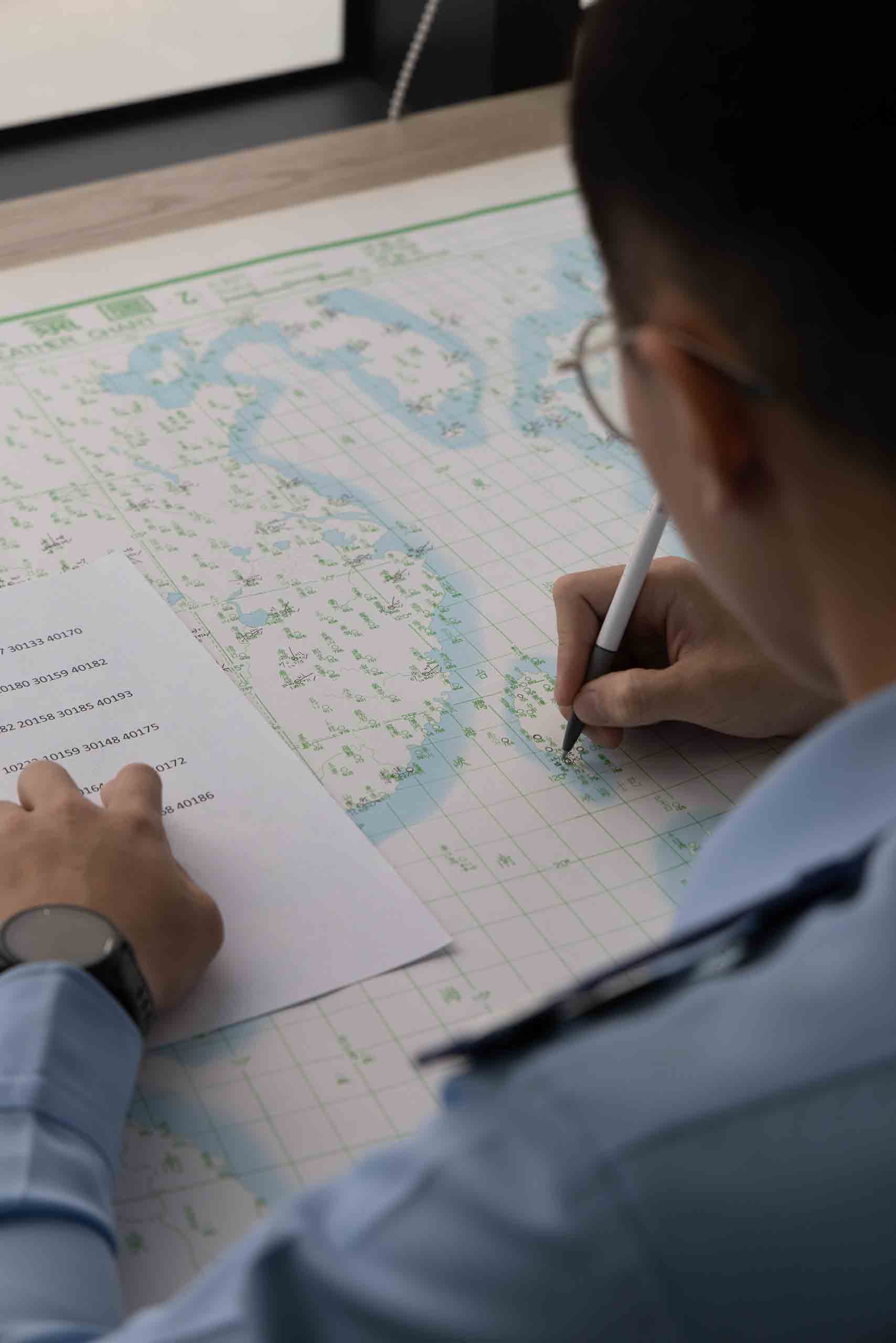
空軍第六天氣中心駐守於屏東機場內,屏東機場跑道頭、中、尾各有一觀測站,由於主要起降為西向東,因此天氣資料會以西方的觀測站為主,機場運用氣象自動觀測系統,將資料自動傳回塔台內的控制中心,氣象士將修正後的資料填入民網及軍網中,民網提供給中央氣象署、軍網提供給相關單位自行取用資訊,。

氣象士每半個小時會將氣象自動觀測系統內的風向、風速、氣壓、雨量、能見度資料,包括做傳報,會以電話將資料提供給塔台,塔台再以無線電提供給飛行員。目前空軍的氣象資訊在七天內的準確度是高標準,這歸功於氣象士無時無刻觀察天氣轉變,同時比對天氣圖與實際天氣落差,長期累積經驗而來。
一般民眾接觸氣象資訊,多半來自手機APP或新聞播報,但軍事氣象講求的是「更即時、更全面、更具任務導向」。同樣是降雨預報,民間可能只關心是否下雨;軍方則必須進一步掌握降雨強度、持續時間、雷暴移動方向、對跑道積水與視距的影響,以及備降場天氣狀況。
空軍氣象單位值勤人員須全天候接收雷達回波、衛星雲圖、高空探空、地面觀測與數值模式資料,再交叉比對分析風向、風速、降雨、雲底高度與能見度等要素,形成飛行簡報與作戰預警資訊。平常時期每隔12小時會釋放一個高空氣象偵測氣球,用以偵測不同高度空層的氣象資料,當颱風來臨前更有可能一天釋放4個,每個氣球單價就要兩萬元,填充氫氣使其具備浮力,下掛輕便偵測器及無線電發訊器,可將高空天氣資料傳回地面接收站,各機場都相同,用以得到全台灣空域的氣象資料。


由於空軍會有緊急起飛的任務,必須24小時輪值運作,值勤官兵仍須持續監看氣象自動觀測系統,一旦氣象條件變化超出飛行安全標準,即須迅速通報相關單位,提供是否延後起飛、調整時程或改變任務規劃的建議。
除此之外,屏東地區常見的午後熱對流天氣中,上午晴朗無雲,下午卻可能在短時間內形成雷雨胞,對飛行作業影響甚大,過往國防部的媒體邀訪行程中,就曾有因雷雨過大而整團被困在屏東機場無法起飛的經歷,後來也是藉助屏東空軍第六天氣中心準確預測雷雨胞會有15分鐘的空檔可以起飛才順利脫困北上,這種瞬息萬變的區域天氣,正考驗氣象人員的經驗判讀與臨場反應。
每年夏秋之際,颱風是南臺灣最直接的威脅之一。當颱風生成並朝臺灣接近時,屏東氣象分隊便進入高強度戒備狀態。當面對颱風,不像是一般民眾只關心放假與否,而是涉及飛機轉場、裝備加固、人員疏散、油彈安全、防洪部署與災後復原。每一項作業都需要精準掌握風雨到達時間、最大陣風區域、降雨熱區與路徑變化。
若預估基地將受嚴重影響,部分機隊可能提前轉場至其他基地,若風勢尚未達標,則需把握窗口完成最後整備。這些決策都必須建立在可靠氣象資訊之上,而屏東氣象分隊就是南部第一線提供判斷依據的單位之一。
空軍的天氣中心,就是這樣一個默默付出的單位,長官每一個決策參考的天氣數據,往往是背後有一群官兵,已連續數十小時監控風場與雨帶變化而做出的分析研判,替不管是部隊或一般民眾爭取最安全的應變時間。

Guarding the Skies and Seas of the South: An Inside Look at the Air Force’s 6th Weather Squadron in Pingtung
Flying operations are most vulnerable to sudden changes in weather—especially during takeoff and landing, when adverse conditions can quickly turn routine procedures into high-risk situations. From daily fighter patrols and transport flight planning to civilian aviation, airdrop resupply missions, disaster response, and even cloud-seeding operations, all rely heavily on accurate weather forecasting. One of the most critical factors determining whether an aircraft can fly, when it can fly, and how it should fly is precise meteorological data. With advancements in radar and related technologies in recent years, weather forecasting has become increasingly accurate. At the center of this capability are the Air Force weather centers at each airbase, quietly carrying out a mission that is both invisible and indispensable.
The Air Force Weather Wing operates under the Air Force Operations Command and is responsible for military weather observation, forecasting, and intelligence support. It is a vital service unit within Taiwan’s defense system. Its responsibilities include monitoring weather conditions across airbases, providing flight weather briefings, supporting exercises, issuing typhoon alerts, and delivering disaster warnings. The Weather Wing oversees the central Air Force Weather Center, nine regional weather centers across Taiwan and its outlying islands, and a meteorological detachment stationed at Green Island Airport. Together, they maintain 24-hour observation coverage and form a comprehensive military meteorological network.
Pingtung has long been one of Taiwan’s most important Air Force bases and training areas. Its surrounding airspace and maritime zones are expansive, located near the Bashi Channel, the southern entrance to the Taiwan Strait, and key South China Sea routes. The region is characterized by high temperatures, humidity, strong afternoon convection, and frequent typhoon activity. Facing tropical waters, the area experiences significant ocean-atmosphere interaction. When the southwest monsoon intensifies, the monsoon trough shifts southward, or a typhoon approaches, Pingtung is often among the first areas affected. This makes its meteorological mission far more than routine observation—it is a critical link in southern Taiwan’s air defense, joint air-sea operations, and disaster response chain.
The Air Force 6th Weather Center is stationed at Pingtung Air Base. Along the runway—at the head, midpoint, and end—three observation stations collect weather data. Because most takeoffs and landings are conducted from west to east, data from the western station is prioritized. The airbase employs an automated meteorological observation system that transmits real-time data back to the control center in the tower. Weather specialists then verify and adjust the data before inputting it into both civilian and military networks. The civilian network provides information to the Central Weather Administration, while the military network supports operational units.
Every 30 minutes, weather personnel update and transmit key data from the automated system, including wind direction, wind speed, pressure, rainfall, and visibility. These updates are relayed to the tower via telephone, and from there transmitted to pilots by radio. The Air Force’s short-term (within seven days) weather forecasting accuracy meets high standards, thanks to continuous observation and the accumulated experience of comparing forecast models with actual conditions over time.
For the general public, weather information typically comes from mobile apps or news reports. Military meteorology, however, demands a higher level of precision, timeliness, and mission-specific detail. While civilians may simply want to know whether it will rain, the military must assess rainfall intensity, duration, thunderstorm movement, runway water accumulation, visibility impact, and alternate airfield conditions.
On duty, Air Force weather personnel continuously monitor radar echoes, satellite imagery, upper-air soundings, surface observations, and numerical models. These data are cross-analyzed to assess wind patterns, precipitation, cloud base altitude, and visibility, forming the basis for flight briefings and operational warnings. Under normal conditions, a high-altitude weather balloon is released every 12 hours to collect atmospheric data at different altitudes. Before a typhoon, this may increase to four launches per day. Each balloon costs around NT$20,000 and is filled with hydrogen to provide lift. It carries lightweight sensors and a radio transmitter, sending upper-atmosphere data back to ground stations to support a complete picture of Taiwan’s airspace conditions.
Because the Air Force must be ready for emergency scrambles, weather units operate around the clock. Personnel continuously monitor automated systems, and if conditions exceed flight safety thresholds, they must immediately notify relevant units, advising whether to delay takeoff, adjust schedules, or modify mission plans.
Afternoon convective weather is a common feature in Pingtung. Clear skies in the morning can rapidly develop into thunderstorms in the afternoon, significantly affecting flight operations. During a past media visit organized by the Ministry of National Defense, severe thunderstorms once grounded personnel at Pingtung Air Base. It was only through the precise prediction of a 15-minute weather window by the 6th Weather Center that aircraft were able to safely depart. Such rapidly changing local weather conditions place heavy demands on meteorological personnel’s experience and real-time judgment.
During summer and autumn, typhoons pose the most direct threat to southern Taiwan. When a typhoon forms and approaches Taiwan, the Pingtung weather unit enters a high-alert state. Unlike the general public, whose concern may be whether a typhoon results in a day off, the military must deal with aircraft relocation, equipment reinforcement, personnel evacuation, fuel and ammunition safety, flood prevention, and post-disaster recovery. Every action depends on accurately predicting the timing of wind and rain arrival, maximum gust zones, heavy rainfall areas, and storm track changes.
If severe impact is expected, aircraft may be relocated to other bases in advance. If conditions remain within operational limits, crews must use the remaining window to complete final preparations. All these decisions rely on accurate meteorological data—and the Pingtung weather unit is one of the frontline providers of that critical information in southern Taiwan.
The Air Force weather centers operate quietly behind the scenes. Every weather-related decision made by commanders is built upon hours—sometimes days—of continuous monitoring and analysis by dedicated personnel tracking wind fields and rain bands. Their work ensures that both military units and the general public have the safest possible response time in the face of changing weather conditions.