

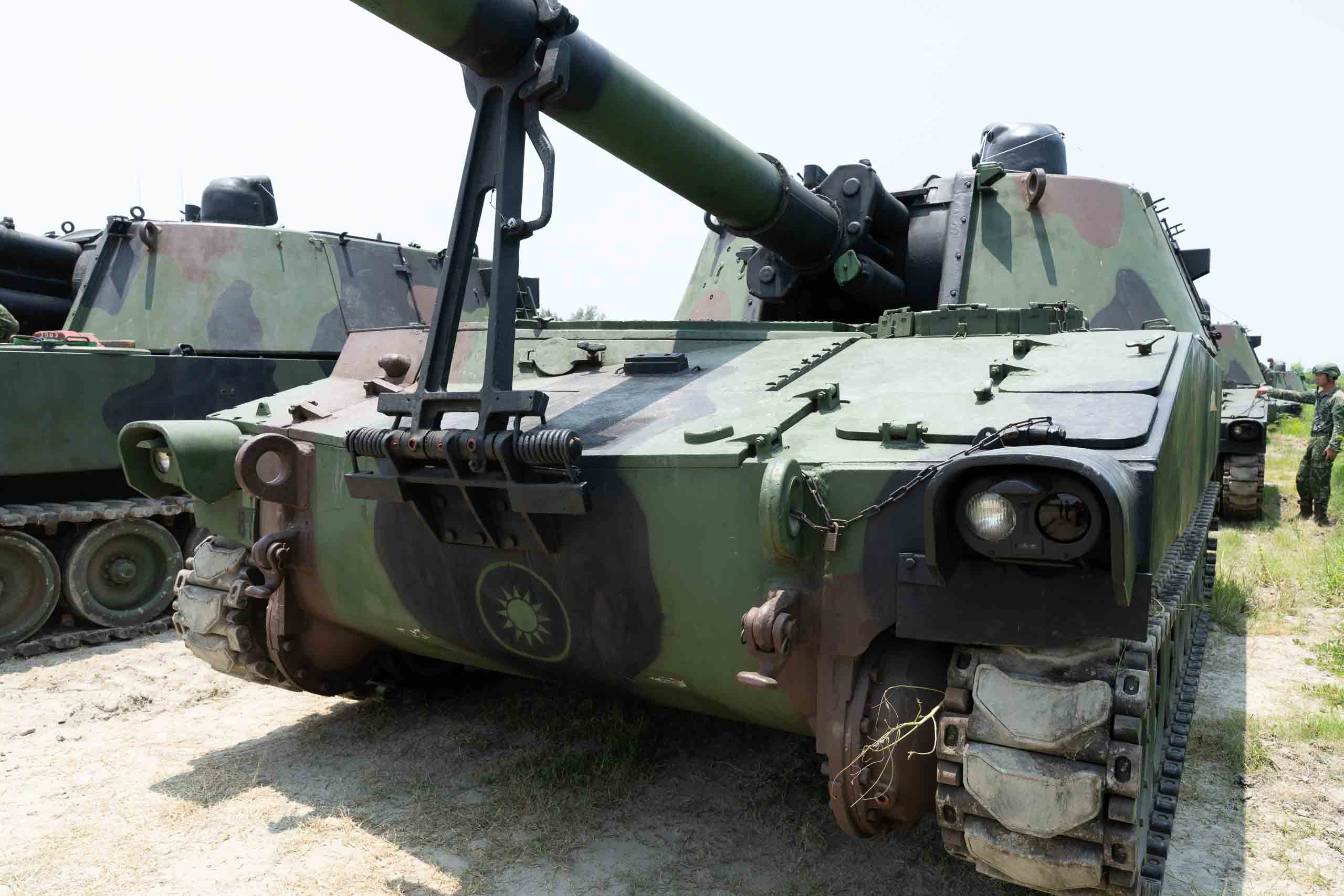
【軍傳媒/國內軍事新聞】2月以來,國防特別預算的政治攻防,雙方把焦點拉向「到底買什麼、值不值得、會不會拖延」的口水戰;但回歸軍事專業面,是國防部在立法院以機密方式專報後,仍主動釋出的「可公開資料」:它一方面把部分採購數量與建軍結構端上檯面,另一方面也用極具政策指向性的方式,把臺灣接下來八年的戰力形成,明確框在「不對稱」與「韌性」兩個核心上。
由於是可公開資料,因此內容當然不會很詳細,但這短短資料之所以重要,並不只是滿足外界好奇心,而是牽動三條同時運作的戰略鏈:對外嚇阻與盟友信心、對內國會監督與民意支持、以及國防產業與後勤體系的能力建置。當總統在2月11日記者會中直言「預算遲未通過,可能讓臺灣跌出優先名單、延宕關鍵武器裝備交付」,正是對應到國防預算採購清單背後的時間壓力與全球需求和產能競爭。

採購清單揭示的是國軍作戰概念的骨架
國防部說明,這筆特別預算規劃為2026至2033年執行、經費上限1.25兆元,平均每年多1千多億新台幣預算,並以七大類裝備構成整體:精準火砲、遠程精準打擊飛彈、無人載具及其反制系統、防空/反彈道/反裝甲飛彈、AI輔助與C5ISR系統、強化作戰持續量能相關裝備,以及臺美共同研發與採購合作的裝備/系統。
國防部刻意把「武器平台」放進「作戰體系」裡,並把生存力、持久力、指管決策與量產/補給能力提升到與飛彈、火砲同等的地位,換句話說,國防部終於往現代化邁進,可公開清單提供的不是一張採買明細,而是經評估後的臺灣不對稱作戰的骨架:
- 建立足夠的空中及飛彈防禦能力
- 用遠距精準火力把戰場向外推
- 無人化裝備與反制系統行程不對稱作戰能力
- 開始建構解放軍上岸後的縱深作戰
- 建構新式C5ISR提高戰場透明度與縮短偵查打擊鏈時間
- 提高國內後勤產線/彈藥儲備,確保能打得久
這次公開資料受矚目的,是少數具體項量被明白條列出來,包括:
• 精準火砲:M109A7自走砲60門、精準彈藥4080發,並含彈藥車60輛、救濟車13輛等配套。
• 遠程精準打擊:海馬士系統82套、精準火箭1203箱、戰術區域飛彈420枚。
• 無人載具:ALTIUS-700M 1554架、ALTIUS-600ISR 478架;另含濱海監偵/攻擊型等各類無人機「20萬餘架」、無人艇「1000餘艘」,並同步建構反制系統。
• 反裝甲:標槍70套/1050枚、拖式2B 24套/1545枚,並含各式防空飛彈系統與彈藥。
• C5ISR與AI:人工智慧決策支援系統、戰術網路、情資分享應用套件等。
•作戰持續量能:從彈藥與發射藥產線、槍彈底火、高能炸藥、夜視鏡、化學防護面具,到機動阻絕器材;並在產線未完成前先籌購急缺彈種(如120mm/105mm戰車彈、30mm機砲彈、155mm榴彈發射藥包等)。

這些「數量」的重要性,在於它直接讓外界能判讀的核心指標,臺灣是否正在把火力與感測推向「可規模化」,目標無人機20萬架、無人艇千艘的數量,先不論可行度如何,意味著思維已從少量高價值走向可消耗、可補充、可輪替的戰場經濟學,也真正回歸到開戰所需數量來評估,而不是只要有就好的少數樣板裝備。而從HIMARS遠程精準打擊能力的加強到遠距反甲無人機的採購,再到反裝甲飛彈與火砲,臺灣也開始在建立「多層次消耗鏈」,以構成對解放軍登陸船團、集結場、機降/突擊群的分層殺傷。過往臺灣一直強調境外決戰、拒敵於島外,如今終於認清現實,在兩邊海空軍力差距過大的情況下,陸軍在正場戰爭中將仍會是要角,除了武器裝備外,也同步投資產線、彈藥、偵測能力與單兵防護能力、機動阻絕器材等,這些通常不會是民眾關切耀眼的明星,但卻是戰時能否維持抵抗能力的基礎條件。
總統在2月11日談到,美國等主要軍備供應國產能「早已排滿」,若臺灣預算遲延,可能「跌出優先名單、延宕交付」。這段話的實質含意,是臺灣必須用制度化預算與清晰需求,去換取供應鏈排程與政策支持,俄烏戰爭、川普上台、中國擴張,喚醒西方對自身安全的危機感,紛紛提高軍事預算,加上去紅供應鏈的意識覺醒,在全球產能有限的情況下,先後順序排成就成為重要的爭奪。
高市早苗自民黨的大勝帶來的改變
2026年2月8日的日本眾議院選舉,首相高市早苗率自民黨取得316席、聯合維新會達到兩院運作上前所未有的大勝,等同在立法端握有強勢推進政策的槓桿。 這場勝選之所以牽動台灣安全,不只是顯示日本民眾對原本親中的態度有了轉變,且可能加速日本把自衛隊「入憲」與修憲議程再次推上政治主舞台;同時日本將大幅擴大防衛支出與作戰範圍、提升與美軍的聯合作戰深度,並逐步放寬防衛裝備輸出與共同研製,讓日本更像一個可在區域安全中的軍事工業大國應有角色。
高市在勝選後公開提到要「挑戰修憲」,外界普遍聚焦在安倍路線的延伸:以「在憲法中明記自衛隊」作為第一步,藉此消弭長期以來關於自衛隊合憲性的灰色地帶,並為後續更大幅度的安全政策調整(例如集體自衛權的適用邊界、武力行使要件、以及對外軍事支援的制度化)鋪路。但即便眾院取得超高席次,修憲仍受參議院席次與公投門檻制約,較可能先用眾院優勢把修憲議題常態化、把條文草案具體化,並同步透過一般立法與行政指導(防衛三文件後續配套、預算、採購、裝備輸出規範)去做「準修憲式」的政策擴張,等到參院席次條件成熟再推最後一哩路。
這次高市以強硬保守、強化對中嚇阻的風格贏得壓倒性授權,預期將更有力推進軍力增強與對美協調,並在台海、東海等敏感議題上採取更具存在感的表態與政策動作。對台灣而言,如果能把錯機會,與日本有更多軍事交流,台日美在危機時的協調空間可能增加,真正將台灣拉近西太平洋結盟圈對抗中國。
總結來說,高市早苗的大勝傳達一個訊息,日本警醒中國長年的威脅,企圖擺脫二戰的束縛,台灣長年受中國威脅,應該更清楚中國的本質。國防部也提醒,部分對美軍購案已完成美方知會國會程序(如M109A7、HIMARS、ALTIUS、標槍、拖式2B等),其餘案項仍在加速審查,且知會國會金額屬「最大可能供售範圍及額度」,未來仍將視立院核定額度調整。國防採購不是一場宣傳秀,而是一套牽動交付、訓練、後勤、產線、甚至是整個國家工業能力的提升,今日的結果來自於過往太多不透明不公開讓人質疑的採購案,要消解社會的疑慮,一樣回到一直以來的呼籲,透明採購、驗收流程,才能喚起民眾對軍購的信任。

How the Special Defense Budget Is Reshaping Taiwan’s Asymmetric and Resilient Defense
Since February, political debate over Taiwan’s special defense budget has focused on what to buy, whether it is worth the cost, and whether delays will occur. From a military perspective, however, the key issue is the Ministry of National Defense’s release of partially public procurement data after its classified legislative briefing. Though limited in detail, this disclosure frames Taiwan’s next eight years of force development around two core principles: asymmetry and resilience.
The publicly available information serves three strategic purposes: strengthening external deterrence and allied confidence, reinforcing domestic oversight and public support, and advancing Taiwan’s defense industrial and logistics capacity. As the President warned, delayed approval could push Taiwan down the global priority list for weapons deliveries at a time when international production lines are already saturated.
The special budget, running from 2026 to 2033 with a ceiling of NT$1.25 trillion, is structured around seven categories: precision artillery, long-range strike missiles, unmanned systems and countermeasures, air and missile defense, AI-enabled C5ISR, sustainment capabilities, and Taiwan–U.S. joint development. The emphasis is not merely on platforms, but on integrating survivability, command-and-control, and production capacity into a cohesive operational system.
Notable disclosed quantities include M109A7 self-propelled howitzers, HIMARS systems, tactical missiles, large-scale unmanned platforms (including a target of 200,000 drones and 1,000 unmanned vessels), anti-armor systems, and expanded ammunition production. These figures signal a shift from limited high-value assets toward scalable, attrition-based warfare and a multi-layered kill chain designed to counter PLA amphibious and airborne operations.
Beyond headline systems, investments in production lines, ammunition stockpiles, detection, and sustainment highlight recognition that endurance—not symbolism—determines wartime survival.
Global capacity constraints further elevate the urgency. As Western states increase defense spending amid the Ukraine war and rising tensions with China, procurement sequencing has become strategic competition. Taiwan must secure production slots through stable budgeting and clear requirements.
Japan’s 2026 election, in which Prime Minister Sanae Takaichi’s coalition won a commanding majority, adds another dimension. Her administration is expected to push for constitutional recognition of the Self-Defense Forces, expand defense spending, deepen U.S.–Japan coordination, and ease defense export restrictions. A more assertive Japan strengthens regional deterrence but also intensifies demand for limited industrial capacity.
Ultimately, Taiwan’s special defense budget is not a shopping list but a structural transformation. It links procurement, training, logistics, and industrial development into a long-term resilience strategy. Transparent processes and institutional stability are essential—not only to maintain public trust but to ensure Taiwan secures the time, capacity, and strategic position necessary to sustain deterrence in an increasingly competitive security environment.