

【軍傳媒/軍事專欄】俄烏戰爭爆發後,全球軍事界重新理解一件被長期低估的事實:戰場上決定勝負的,不只有戰車、飛彈與戰機,還包括那些每天往返前後方、默默運送物資與人員的軍用運輸車輛。尤其在新時代戰爭環境中,中型軍規運輸車輛的重要性快速提升。這類車輛通常具備良好越野能力、一定載重能力、較高機動性與相對低成本特性,能執行彈藥補給、兵員輸送、油料運補、野戰維修、醫療後送與通信支援等任務,已成為現代國防後勤體系的核心裝備之一。
過去不少軍隊傾向以大型後勤車隊與固定補給設施支撐作戰,但現代戰場已經不同。無人機、商業衛星、電子偵搜與遠程火力的普及,使大型車隊與集中補給設施更容易遭到發現與打擊。CSIS與多個西方智庫在俄烏戰爭研究中皆指出,固定式大型補給模式正面臨高度風險,後勤必須朝向分散化、機動化與快速重組方向發展。這也讓中型軍規運輸車輛的價值大幅上升,因為它們正是最適合執行分散補給任務的平台。相較大型重型卡車,中型車輛可採多路線、多批次、小規模方式持續輸送物資,即使單車載量較低,整體生存率卻更高。
中型運輸車輛是前線持續作戰的補血系統。現代高強度作戰下,彈藥、燃料、飲水、備件與醫療物資消耗速度遠超平時訓練想像。若補給中斷,再精銳的部隊也會迅速失去戰力。中型運輸車輛具備進入較狹窄道路、鄉間道路甚至半損壞道路的能力,可直接將物資送抵前線單位附近,再由小型車輛或無人載具、人員進行最後一段配送。這種多層次補給方式,比單純依賴大型車隊更適應現代戰場。


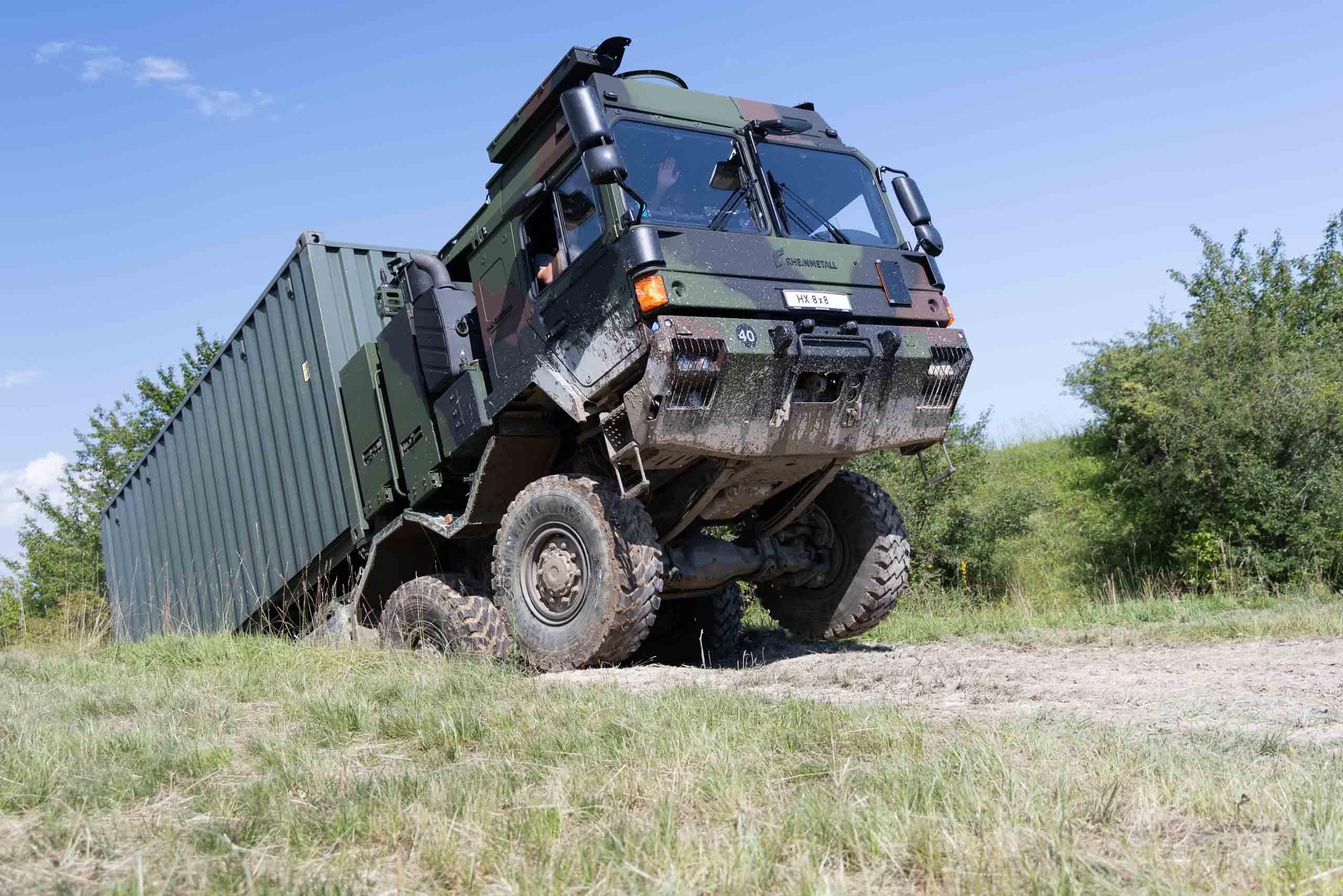
俄烏戰場已證明,任何大型、明顯、緩慢移動的後勤目標都可能成為無人機與砲兵獵殺對象。中型車輛車體較小、熱源較低、機動更靈活,可利用地形掩蔽、分散停放、夜間移動與快速卸載等方式降低被攻擊風險。而要達成上述目的,機動性是必要條件。若採高機動4×4、6×6配置,還能在泥濘、雪地與破壞道路環境下維持行動能力。這也是許多歐洲國家近年積極採購Rheinmetall HX系列、IVECO Defence Vehicles軍卡,以及Oshkosh Defense FMTV家族車輛的重要原因。
另外一點,中型軍規運輸車輛可以是模組化作戰平台。現代軍隊對車輛需求已不再只是載貨。相同底盤可快速換裝貨櫃式維修艙、野戰指揮所、油料模組、通信站、電子戰裝備、無人機控制站或野戰醫療艙。這代表平時一輛車是運輸車,戰時可迅速轉為專業任務車。許多北約國家近年強調標準化貨櫃與模組化後勤,就是為了提升戰場快速重組能力。當基地遭攻擊或部隊轉移時,整套能力可隨車移動,而不是留在固定建築內等待摧毀。
若戰場位於道路密集、橋梁承載有限、都市區域眾多的環境,大型重車往往受限於道路寬度、轉向半徑與橋梁限制。中型車輛則能穿越城市街區、產業道路與山區道路,在城鎮防衛戰中維持兵力流動與補給節奏。對島嶼型或地形破碎國家而言,這點尤其重要。車輛若太重、太大,反而難以有效分散部署。

在國防武器中,許多裝備都有對應的用途目的,例如戰車與自走砲雖具高戰力,但平時用途有限;中型運輸車輛則是特例,平時既可兼顧災害救援、工程支援、後備動員、人員輸送與平時演訓需求等,而一旦進入戰備狀態,又能迅速轉入軍事用途,若搭配上數模組化功能,將成為投資效益極高的國防資產。這也是許多歐洲國家近年重新檢討軍備結構時,開始將後勤車隊現代化列為優先項目,而非只追求昂貴主戰裝備數量。
然而,中型軍規運輸車輛並非沒有缺點,第一是防護力有限,多數車型並非重裝甲設計,面對無人機與伏擊威脅仍需搭配防空、電子干擾與護衛兵力。第二是維修量龐大,若車隊數量大而零件體系不足,戰時可能迅速趴窩,因此選擇耐用品牌及建立零件生產能力將是重點。第三是駕駛與保修人員需求高,後勤兵科訓練必須同步強化,不過好處是開車的技能並不難訓練。第四是燃料依賴問題,大量車隊行動本身也需要大量油料支援,因此油料補給與車隊運作是相互依存關係。

對台灣來說,新時代戰爭下的後勤核心,應該從單純大型基地補給,轉變為高度分散、快速轉移、持續再補給的動態模式。現行使用的中型卡車在過往的採購中,都是以最低價、商規車輛修改而來,並不是商規噴上迷彩就會變成軍規,例如野戰救護車的購案,過小尺寸的輪胎要說其有多強的越野能力,實在無法讓人信服,連基層使用官兵都不敢將其開上困難地形,而無法讓官兵有信心的裝備,就是一項有問題的採購。另外國軍使用的中卡並不具備模組化載運的能力,國軍單純將它當作中型卡車來使用。戰時是否能經的起戰場的耗損以及有足夠的越野能力通過被戰火蹂躪的地形,都未經過考驗。但只要思維轉變,跳脫過往的守舊事情都有轉機。
真正有戰力的軍隊,不能只計算擁有多少火力平台,更要計算有多少能力把戰力持續送到前線。前線補充彈藥會不會到位、傷患能否即時後送、維修裝備零件能否抵達、指揮所能否快速機動轉移。在殘酷的現代戰場上,不起眼的這類車輛反而具備無法評量的價值。

Defense Logistics in a New Era of Warfare: How Medium Military Transport Vehicles Become the Lifeline of the Battlefield
The war in Ukraine has reminded militaries worldwide of a long-overlooked reality: wars are not won only by tanks, missiles, or fighter jets, but also by the vehicles that quietly move troops, ammunition, fuel, and supplies every day. In modern conflict, medium military transport vehicles have become increasingly important. With good off-road mobility, practical payload capacity, flexibility, and lower cost, they are now central to modern defense logistics.
In the past, many armies relied on large truck convoys and fixed supply depots. Today’s battlefield is very different. Drones, commercial satellites, electronic surveillance, and long-range precision fires have made large convoys and centralized depots easy targets. Research from CSIS and other Western think tanks on the Ukraine war shows that static logistics systems face high risk. Supply networks must now become dispersed, mobile, and rapidly reorganized.
This shift greatly increases the value of medium transport vehicles. Compared with heavy trucks, medium vehicles can move supplies through multiple routes in smaller batches. Although each vehicle carries less cargo, the overall survivability of the system is much higher. Even if one vehicle is lost, the entire supply chain does not collapse.
These vehicles are especially important for sustaining frontline combat. Modern high-intensity warfare consumes ammunition, fuel, water, spare parts, and medical supplies at a rapid pace. If resupply stops, even elite units quickly lose combat effectiveness. Medium vehicles can use narrow roads, rural paths, and partially damaged routes to move close to frontline positions, where smaller vehicles, drones, or personnel can complete final delivery.
The Ukraine battlefield has shown that any large, slow, and obvious logistics target can be hunted by drones or artillery. Medium vehicles have a smaller profile, lower heat signature, and better mobility. They can hide behind terrain, disperse in different locations, move at night, and unload quickly. With 4×4 or 6×6 configurations, they can also operate in mud, snow, and damaged road conditions. This explains why many European countries are investing in platforms such as the Rheinmetall HX series, IVECO military trucks, and Oshkosh FMTV vehicles.
Another advantage is modularity. Modern armies no longer need trucks only for cargo transport. The same chassis can be fitted with containerized repair workshops, mobile command posts, fuel modules, communications stations, electronic warfare systems, drone control centers, or field medical units. A truck used for transport in peacetime can rapidly become a mission-specific platform in wartime. NATO countries have increasingly emphasized standardized containers and modular logistics for exactly this reason.
For countries with dense roads, limited bridge capacity, urban areas, or mountainous terrain, medium vehicles are even more valuable. Heavy trucks often face restrictions due to size, turning radius, and bridge weight limits. Medium vehicles can move through city streets, industrial roads, and mountain routes while maintaining troop movement and supply flow.
They also offer strong peacetime value. Unlike tanks or self-propelled artillery, which have limited civilian use, medium transport vehicles can support disaster relief, engineering work, reserve mobilization, troop movement, and exercises. When war begins, they can quickly transition into military operations. This makes them one of the most cost-effective defense investments available.
However, they are not without weaknesses. Most are not heavily armored and require air defense, electronic protection, or escorts against ambushes and drones. Large fleets also require strong maintenance systems and spare parts support. Driver and mechanic training must be expanded. Finally, vehicles consume fuel, meaning logistics systems must also sustain themselves.
For Taiwan, future wartime logistics should move away from reliance on large fixed bases and toward a dispersed, mobile, continuously resupplied system. Many current medium trucks were acquired under low-cost, commercially modified standards rather than purpose-built military specifications. Simply painting a civilian truck in camouflage does not create a military vehicle. Whether current fleets can survive battlefield attrition or cross war-damaged terrain remains uncertain.
A truly capable military should measure not only how many weapons it owns, but how effectively it can keep combat power supplied at the front. Ammunition delivery, casualty evacuation, repair parts movement, and command mobility may ultimately matter more than headline weapon systems. On the modern battlefield, these unglamorous vehicles may hold value beyond measure.