

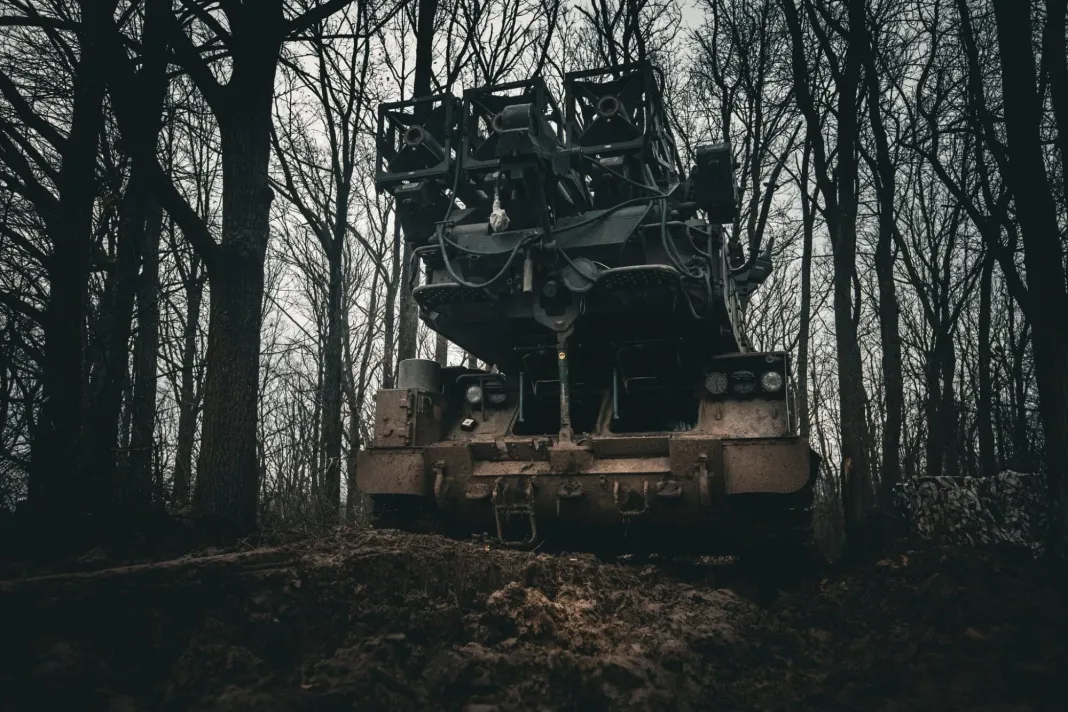
【軍傳媒/國際軍事新聞】烏克蘭戰場上出現名為「Franken-SAM(弗蘭肯-薩姆)」防空網,其名稱來源自不少人耳熟能詳的科學怪人童話,童話中科學家名為維克多·法蘭肯斯坦 (Victor Frankenstein),以屍體拼裝出人造人,「FrankenSAM計畫」目的是讓烏克蘭將西方防空飛彈整合進原有蘇聯式防空系統中,以補足烏軍防空能力不足。
烏克蘭雖然獲得美國愛國者飛彈的援助,但單一飛彈成本高,且烏克蘭獲得的愛國者飛彈數量不足,為了目標是提升烏克蘭面對俄羅斯巡航導彈、無人機與固定翼攻擊機的防禦能力
FrankenSAM計畫起源
在全面戰爭條件下,軍事創新往往不是源於實驗室,而是來自前線的迫切需求。烏克蘭在面對俄羅斯持續、高密度、多樣化空中威脅的情況下,發展出一套被西方軍事圈稱為 FrankenSAM(Frankenstein Surface-to-Air Missile) 的防空整合模式。這並非單一武器系統,其核心精神在於不等待完整制式裝備到位才能發揮戰力,而是將現有資源最大化轉化為可用戰力。
FrankenSAM 計畫的本質,是將不同來源、不同世代、不同設計邏輯的防空元件強行整合,在短時間內建立足夠密度的防空火力,以因應俄軍的飛彈、無人機與巡弋飛彈等輪番消耗式攻擊。這種模式在和平時期往往被視為不是標準作法、風險高、後勤維保困難,但在戰爭中,卻展現出極高的戰術彈性價值。
FrankenSAM 的形成背景:防空彈藥比系統更稀缺
戰爭初期,烏克蘭的防空體系仍以蘇聯裝備系統為主,以及一些西方援助的美系歐系裝備,包括中程與短程防空系統,但隨著戰爭時間拉長,問題迅速浮現,系統雖有少量被摧毀,大部分仍存活下來,但所需的彈藥卻逐漸枯竭。
與其說烏克蘭缺乏防空系統,不如說它缺乏可持續補充的防空彈藥來源。蘇系防空飛彈的生產線多半位於俄羅斯,而西方援助的完整防空系統(如整套現代化防空單位)在數量、訓練時間與部署彈性上,都無法快速滿足全國層級的防空需求,面對威脅增加,烏克蘭就必須找出自己的方法。
在這種條件下,美國與烏克蘭開始嘗試一條務實路線,也就是整合烏克蘭既有的發射平台、雷達與指管系統,去「適應」西方可大量供應的舊式飛彈,這也是FrankenSAM計畫的初衷。

不是拼裝而是系統層整合
外界常將FrankenSAM形容為「拼裝防空系統」,從機械結構來看,俄系的底盤載具加上西方的飛彈,直覺聯想就是拼裝,但從技術角度來看,真正的困難在於完全不同思維的系統層整合。
- 火控與導引的重新匹配:烏克蘭接收的是不同世代、不同國家設計的飛彈,其導引邏輯、點火時序、目標更新頻率等並不相同。FrankenSAM計劃能成功的關鍵突破,在於透過重新設計中介模組,讓原有不同的火控系統能與新飛彈的導引工作串接。
- 雷達資料的再利用:烏克蘭並未完全仰賴西方提供的新型雷達,而是大量使用既有雷達裝備,同時加上創新研發的空中聲音偵測系統,將其獲得的的空情偵測資料,傳送給改裝後的射控單元,這串聯起網狀的防空網,不再是單點雷達系統,而是藉由許多的小偵測系統整合成更大的空情架構中。
- 指管層級的彈性:FrankenSAM並不追求高度自動化的理想狀態,而是允許一定程度的人為介入與半自動作業,換取快速部署與維修彈性,同時也保有一定的人為決策能力,這在俄烏戰爭的戰時環境中,是極為現實的選擇。
填補縫隙而不是取代整體防空
FrankenSAM防空網從未被設計為高階防空系統的替代品,他不是用來取代如愛國者這樣的精密防空系統,它的定位更接近防空網中的中低端補縫武器。在烏克蘭的實際運用中,FrankenSAM 主要承擔以下任務:
- 攔截低空、次音速巡弋飛彈
- 大量消耗型無人機(如自殺式無人機)
- 防護特定城市、電力設施、前線集結區
- 減輕高價值防空系統的彈藥消耗壓力
這種分工邏輯,讓高價值防空系統得以保留火力應對真正高威脅目標,而不是被迫用昂貴飛彈對付廉價目標。目前裝配的飛彈包括台灣退役美軍轉賣給烏克蘭的鷹式防空飛彈、美軍和北約多年退役後庫存的麻雀空對空/地對空防空飛彈等,相對於先進的防空飛彈,這些算是庫存品,但畢竟仍是飛彈,相較於更低端的無人機被迫攔截仍算是被不對稱作戰,因此烏克蘭也研發出攔截無人機,用以對付俄羅斯更低價大量的長程無人機。

FrankenSAM on the Ukrainian Battlefield
A new air defense concept known as “FrankenSAM” has emerged on the Ukrainian battlefield. Named after Frankenstein, the program reflects its core idea: integrating Western surface-to-air missiles into Ukraine’s legacy Soviet-era air defense systems to compensate for critical capability gaps.
While Ukraine has received U.S.-supplied Patriot systems, the high cost and limited quantity of Patriot interceptors have made them insufficient for sustained, large-scale defense. This has forced Kyiv to seek alternative solutions to counter Russian cruise missiles, UAVs, and fixed-wing aircraft more sustainably.
Origins of the FrankenSAM Concept
In total war, military innovation is driven less by laboratories than by frontline necessity. Facing persistent, high-density, and diverse Russian aerial threats, Ukraine developed what Western analysts now call the FrankenSAM approach. It is not a single weapon system, but a philosophy: generating combat power without waiting for complete, standardized systems.
FrankenSAM integrates air defense components from different origins, generations, and design logics to rapidly create sufficient defensive fire density. Though unconventional and logistically complex by peacetime standards, this approach has demonstrated significant tactical flexibility under wartime conditions.
Ammunition, Not Systems, as the True Bottleneck
Early in the war, Ukraine relied mainly on Soviet-era air defense systems, supplemented by limited Western assets. While many systems survived, their missile stocks steadily declined. Ukraine’s core challenge was not system availability, but the lack of sustainable ammunition supply.
Most Soviet missile production lies in Russia, while Western modern air defense systems cannot be deployed quickly or widely enough to meet nationwide needs. As a result, Ukraine and the United States pursued a pragmatic solution: adapting existing Ukrainian launchers, radars, and command-and-control infrastructure to fire older Western missiles available in larger numbers. This necessity became the foundation of FrankenSAM.
Beyond Improvisation: System-Level Integration
Although often labeled “improvised,” FrankenSAM’s real complexity lies in system integration rather than mechanical adaptation. Its success depends on three key elements:
First, fire control and guidance systems were re-matched through newly developed interface modules, allowing legacy fire control systems to communicate with missiles of differing designs and generations.
Second, Ukraine reused existing radar assets and supplemented them with acoustic detection systems, fusing multiple sensor inputs into a networked air defense picture rather than relying on isolated radar nodes.
Third, command and control favored semi-automation with human oversight, prioritizing rapid deployment, maintenance flexibility, and realistic wartime decision-making over full automation.
Filling Gaps, Not Replacing High-End Air Defense
FrankenSAM was never intended to replace high-end systems like Patriot. Instead, it functions as a mid- to low-tier gap-filling layer within a layered air defense architecture. Its missions include intercepting low-altitude cruise missiles, countering mass UAV attacks, protecting critical infrastructure, and reducing missile expenditure by high-value systems.
Missiles used include HAWK systems transferred via U.S. channels from Taiwanese stocks and retired Sparrow missiles from U.S. and NATO inventories. While obsolete by modern standards, they remain useful against lower-end threats. To address cost asymmetry against cheap drones, Ukraine has also developed dedicated counter-UAV interceptors.