

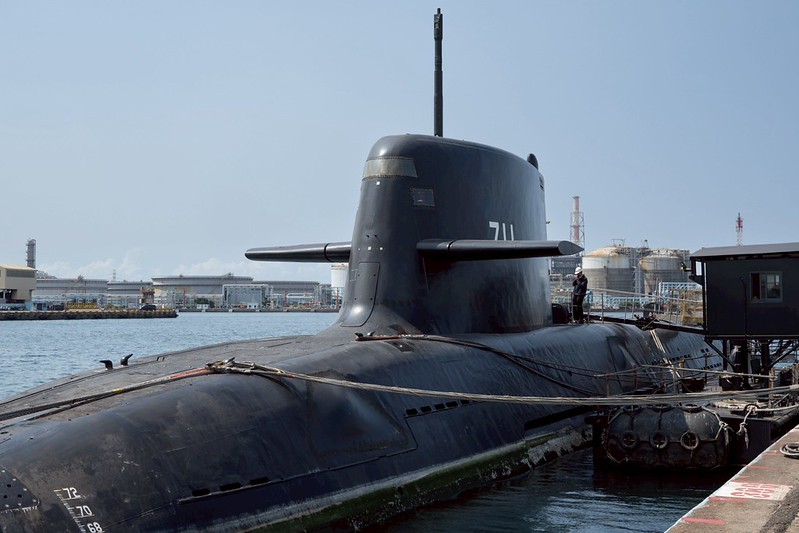
【軍傳媒/國內軍事新聞/外交國防委員會】上週,賴清德總統南下高雄,依序視導「海昌計畫」、海軍大氣海洋局及海軍256戰隊,並登艦檢視國造潛艦海鯤號與現役海龍級潛艦的運作與性能提升成果。此次行程除展現政府對潛艦國造與海軍戰力建設的高度重視外,也釋出明確訊號:在區域安全環境持續升溫之際,台灣必須以務實的技術路線與穩定的建軍節奏,逐步強化水下作戰能力,確保嚇阻與防衛能量不受外部壓力動搖。
總統首先抵達「台船公司」,聽取海昌計畫執行情形簡報,並登艦視導海鯤軍艦;接著前往「海軍大氣海洋局」聽取簡報,瞭解部隊運作情形。隨後,總統至「海軍256戰隊」視導海龍軍艦,了解劍龍級艦性能提升工程。

總統於「海軍256戰隊」致詞內容為:
今天很高興來到海軍256戰隊當面感謝大家的辛勞。潛艦是我國發展「戰略嚇阻」的重要工具,也是反制海上封鎖、擴大戰略縱深的重要防衛武器。
稍早,我也前往台船,登上我們國造潛艦「海鯤軍艦」,並了解最新的測試狀況,同時也慰勉辛苦的台船工程團隊,以及參與測試的國軍弟兄姊妹。我要藉此機會特別感謝台船的團隊,日夜無休、承受巨大的壓力,做到如此進步的成就。
我剛剛也登上「海龍軍艦」,了解官士兵的海中生活。透過親自登艦,我深刻理解到,性能提升後的現役潛艦戰力。從海龍等艦到海鯤,如果不是歷代海軍官士兵的累積,就沒有潛艦國造的成果;期勉256戰隊可以發揮承先啟後、繼往開來的精神,持續守護國家、維護區域和平與繁榮。
即使擁有再精良的武器裝備,如果沒有各位辛苦、精訓的官士兵同仁操作,也無法發揮最大的效用。潛艦常常一出海就是一大段時間,大家過著「不見天日」的生活,卻是在暗處守護臺海現狀與和平的最大力量之一,大家辛苦了,我向大家表達最大的敬意。
此外,隨著境外勢力的海上威脅加劇,我們有硬體實力、也要有先進的軟體實力。
因此,海軍大氣海洋局持續布建先進的整合及偵測系統,對提升國軍的戰力,具有相當大的貢獻。
我希望全體官士兵同仁能持續秉持榮譽與責任、精益求精、邁向「新訓練、新思維、新裝備、新科技」的目標,結合科技、制度創新,成為讓國人驕傲、讓敵人敬畏、「有榮耀、有紀律、有戰力」的鋼鐵勁旅。
我也要再次呼籲在野黨,應該尊重專業、支持國軍,盡速通過不打折、也不放水的行政院版國防特別條例草案。
國防部的專業將領已經多次公開說明,軍事裝備的籌措是依照敵情威脅產生的建軍需求,而做的整體規劃。如果只看金額、而忽視建軍的需求,勢必打亂整體的軍事投資,造成嚴重影響。
另外,因應新科技快速發展,我們也規劃透過商購、委製,可以加速強化戰力;同時提升國內的繁榮與就業,也能在軍工產業上,打造MIT的品牌。
我要誠摯且再次呼籲:有主權才有國家,有實力才有和平,希望在支持國防上,大家都能加快腳步、不分朝野、一致對外,力挺我們自己的子弟兵,讓臺灣可以勇敢、自信地走向世界、守護現狀與和平。
最後,我要再次肯定、也代表全體國人,感謝國軍弟兄姊妹的辛勞,祝福大家身體健康、家庭美滿幸福,工作順利。

近期的美伊戰爭,伊朗封鎖海峽據傳就使用了水下無人載具,根據國內的軍政人士表示,未來台灣的潛艦可以作為水下無人載具的母艦,潛伏在海底,藉由水下無人載具擴大偵測與攻擊的範圍。但是要做到這一點,水下潛航的時間就很重要,越長越能發揮效用。
目前仍在試航中的海鯤號原型艦,據傳仍採用傳統鉛酸電池體系,而不是鋰電池,也沒有AIP (Air Independent Propulsion,絕氣推進系統),海鯤軍艦採用的是傳統鉛酸深循環電瓶,原因是首艘國造潛艦應優先追求技術累積與系統穩定。在2025年台北國際航太暨國防工業展中台船公開的第5代「IDS鋰電瓶」,官方表述是「擬應用後續國造潛艦」,換句話說,海鯤現在不是外界想像中那種一步到位的鋰電潛艦,而是先以較成熟、較保守的電池方案完成原型艦驗證。
從技術層面看,海鯤原型艦採鉛酸電池,有三個很現實的考量。第一是整合風險較低。鋰電池雖然能量密度更高、充電更快,但其真正難點不是「能不能裝進去」,而是艙內熱失控、延燒、毒氣、密封與損害管制必須整套重設。德國tkMS就直白指出,鋰電池帶來更長水下續航、更高高速航行能力與更短充電時間,但前提是必須把水下使用安全做到極高標準,因為一旦在水下出事,後果會非常嚴重。


日本的大鯨級潛艦採用純高密度鋰電池,與韓國的韓國KSS-III潛艦則是採鋰電池與AIP並用,提高隱蔽性與持續潛伏能力,台灣首艘潛艦在電池使用上技術仍落後周邊國家一個世代,求的是安全整合累積經驗。據傳中科院正在研發的氫氧電池已經接近最終成果,氫氧電池屬於燃料電池的一種,使用固態氫燃料與海水中氧氣(O₂)直接化學反應生成電力,沒有燃燒也不需經過引擎轉換,不會有噪音及震動產生,很適合潛艦長時間水下潛航,如果應用在台灣後續國造潛艦上,那將能解決鉛酸電池能量密度較低、充電時間較長的缺點,大幅提升潛航效率。
中科院在現任董事長的帶領下,於近年風格與思想大幅度的改變,尤其是開放與國外技術合作的思維,逐漸跳脫過往只想逆向抄襲、國軍專屬轉手仲介商等的罵名,去年的航太展中展出的許多裝備可見端倪,雖然有些性能仍無法與美國高端裝備相比,但在培植國造軍備基礎,強化台灣韌性上確有不可抹殺的貢獻,尤其如今不對稱作戰思維的當道,期許中科院能持續替台灣的軍工能量扎根。
而針對本週立法院外交國防委員會即將審查國防特別條例,立法委員陳冠廷就指出,行政院版提出之1.25兆元預算,與國民黨及民眾黨版本仍存有顯著差異,但近日台中市長盧秀燕與台北市長蔣萬安等國民黨地方首長對國防預算紛紛表態,顯示國防自主已是超越政黨的共識,期盼在野黨團能尊重國防部專業規劃,支持具備長遠戰略價值的院版條例。
陳冠廷也特別強調,儘管在野黨對於特別預算的態度有所調整,但其內容仍多偏重於對美軍購,缺乏對國內中科院委製及本國國防產業鏈的扶持,陳冠廷也提醒若無完善的後勤與自主生產能力,國家的經濟成果將缺乏穩固的防衛基石。烏克蘭戰爭顯示國防韌性的重要,如今的烏克蘭甚至能出口反無人機能力到中東協助防禦伊朗的無人機攻擊。國防實力的提升是對全民最有利的保障,唯有確保防衛自我的能力,才能具備更強的外交能量落實國民黨所謂的「親美、友中」,因此也誠懇呼籲在野黨重新思考,支持專業國防規劃

The Reality and Future of Indigenous Submarine Development: Strategic Considerations Behind the Hai Kun’s Power System Choice
Last week, President Lai Ching-te visited Kaohsiung to inspect the “Hai Chang Project,” the Navy’s Oceanographic Office, and the 256th Squadron. He also boarded the indigenous submarine Hai Kun and the in-service Hai Lung–class submarines to review their operations and upgrade progress. The visit underscored the government’s commitment to submarine development and naval capability, while signaling that Taiwan must strengthen its undersea warfare capability through pragmatic technology choices and steady force development amid rising regional tensions.
The president first visited CSBC Corporation to receive a briefing on the Hai Chang Project and inspect the Hai Kun submarine. He then proceeded to the Navy’s Oceanographic Office before visiting the 256th Squadron to review the Hai Lung–class upgrade program.
In his remarks, President Lai emphasized that submarines are a key element of Taiwan’s strategic deterrence and a critical tool for countering blockades and expanding operational depth. He praised the CSBC engineering teams and military personnel for their efforts in advancing the indigenous submarine program. He also highlighted the importance of experienced crews, noting that even the most advanced equipment depends on well-trained operators.
He further stressed that, as maritime threats intensify, Taiwan must develop not only strong hardware capabilities but also advanced software and sensing systems. The Navy’s continued investment in integrated detection and oceanographic systems plays a vital role in enhancing combat effectiveness. Lai called for unity in supporting national defense and urged lawmakers to approve the defense special budget to ensure stable military development.
Recent conflicts, including tensions involving Iran, suggest that underwater unmanned vehicles are increasingly used in maritime operations. According to defense sources, Taiwan’s future submarines could serve as motherships for such systems, expanding reconnaissance and strike capabilities. However, this requires longer underwater endurance, making power systems a critical factor.
The Hai Kun prototype, currently undergoing sea trials, reportedly uses traditional lead-acid batteries rather than lithium batteries and does not incorporate Air Independent Propulsion (AIP). This reflects a deliberate choice to prioritize system stability and technological accumulation in the first indigenous submarine. CSBC’s fifth-generation lithium battery, unveiled at the 2025 Taipei Aerospace and Defense Exhibition, is intended for future submarines rather than the current prototype.
From a technical perspective, the use of lead-acid batteries is driven by practical considerations. First, integration risks are lower. While lithium batteries offer higher energy density and faster charging, they introduce challenges such as thermal runaway, fire hazards, toxic gases, and the need for redesigned safety systems. German manufacturer tkMS has noted that lithium batteries can significantly improve endurance and performance, but only if strict safety standards are met, as failures underwater would be catastrophic.
Other countries have already advanced further. Japan’s Taigei-class submarines use high-density lithium batteries, while South Korea’s KSS-III combines lithium batteries with AIP to enhance stealth and endurance. Taiwan’s approach is more conservative, focusing on safe integration and gradual capability building.
Meanwhile, Taiwan’s National Chung-Shan Institute of Science and Technology (NCSIST) is reportedly developing hydrogen fuel cell technology, which could provide quiet, long-endurance underwater power without combustion or vibration. If successfully applied, this could overcome the limitations of lead-acid batteries and significantly improve submarine performance.
In recent years, NCSIST has shifted its approach, increasingly embracing international collaboration and moving beyond past criticisms of reverse engineering. Although its systems may not yet match top-tier U.S. technologies, they contribute significantly to building Taiwan’s indigenous defense industry and enhancing resilience.
Overall, the Hai Kun’s power system choice reflects a pragmatic strategy: prioritizing reliability and gradual technological advancement over immediate adoption of cutting-edge but higher-risk solutions. In the context of asymmetric warfare, continued development of indigenous capabilities will remain essential to strengthening Taiwan’s defense posture.