

【軍傳媒/國際軍事新聞】兩年一度的「新加坡航展」在2026年迎來第10屆,於2月3日至8日在Changi Exhibition Centre舉行,延續其作為亞太最大型航太與防務展會之一的定位:一方面回應區域安全情勢的不確定性,另一方面也映照亞洲民航市場在疫後快速復甦、機隊更新與供應鏈瓶頸並存的現實。本屆以「Where Aviation’s Finest Meet」為主軸,並清楚區分專業買主的貿易日(2月3日至6日)與對外開放的公眾日(2月7日至8日),讓展會同時具備商務談判、技術展示與公共航空教育的多重功能。
本屆航展有幾個特點,第一個特點是軍事與安全議題更直接地浮上檯面,但呈現方式不再只是傳統武器平台的比拚,而是以低空防禦、無人化、感測與指管通資情(C4ISR)等能力模組化展示,回應亞太各國近年對反制無人機、飛彈防禦與監偵能力的需求。路透社在航展前的分析即指出,面對區域地緣政治張力與防務需求升溫,本屆將同時聚焦民航與軍用航空,並可見無人機、飛彈防禦、監視偵察等技術在展會上的能見度提升,同時也提到包含國際軍方代表團在內、逾千家參與者的規模,反映航展對政府與產業兩端的吸引力。

第二個特點是飛行表演陣容以「多國空軍表演隊+商用機示範」構成,具有強烈的外交與產業雙重訊號,根據官方的資料,今年航展將有八場飛行表演,由六個空軍單位與兩家商用機製造商組成。除了新加坡空軍以F-16與AH-64D兩種截然不同的機型進行編隊科目表演外,還包含印度空軍的Sarang直升機表演隊、印尼空軍的飛行特技隊(KT-1B),以及中國解放軍的81飛行表演隊(J-10)等;在民用飛行器上,則由AirbusA350-1000與中國商用飛機公司第一款中國國產客機C919進行單機示範飛行,凸顯東南亞各國藉此航展推廣對外形象與航空產業外交。
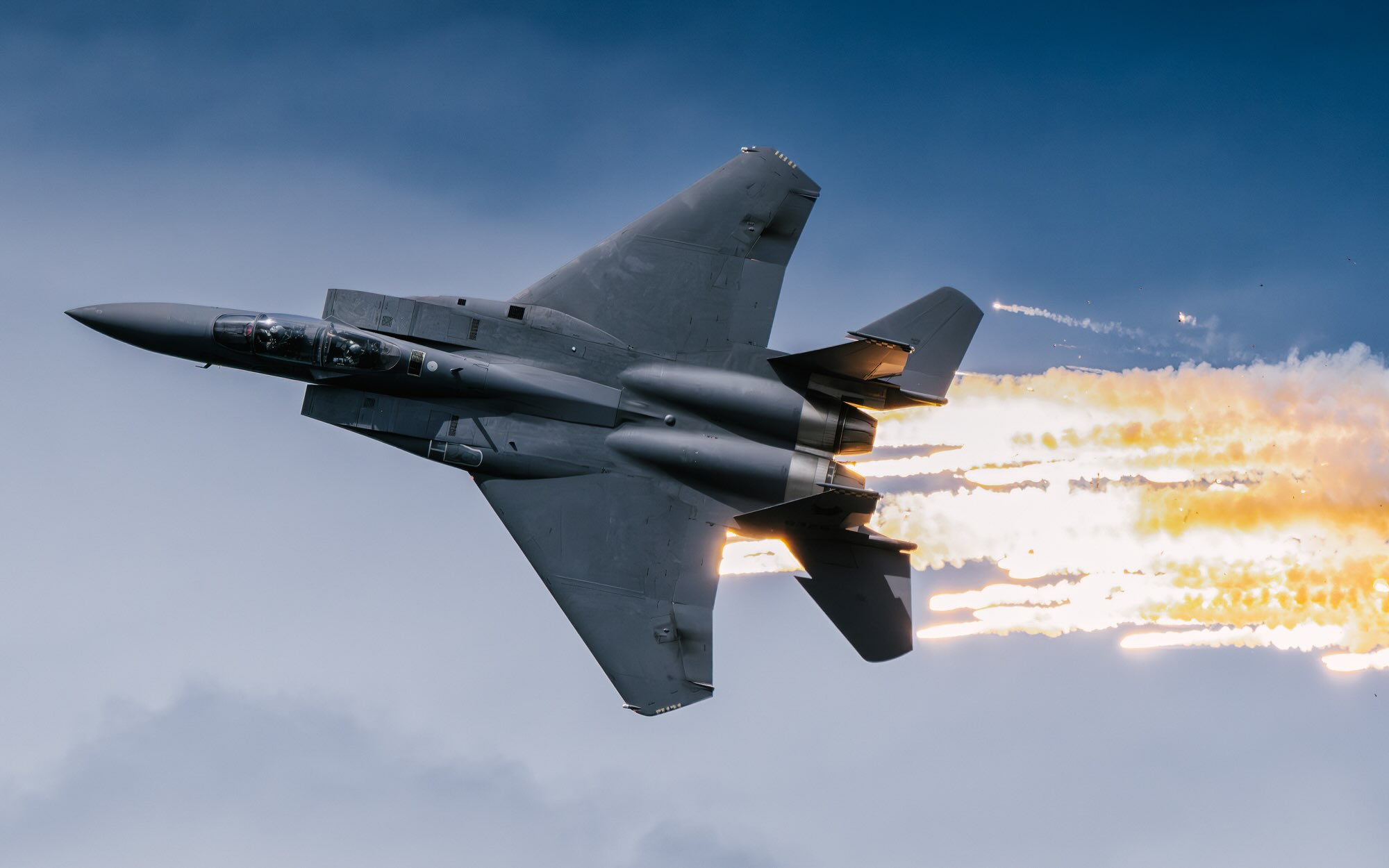
第三個特點,是靜態展示(Static Display)把軍用平台與「商務/高端民航市場裝備放在同一座展場裡交錯呈現。根據官方靜態展示清單顯示,除皇家澳洲空軍的F-35A外,也能看到新加坡空軍的多型主力裝備(包含A330 MRTT、F-15SG、F-16、AH-64D、H225M等)以不同類別陳列。而在商務機方面,官方名單亦列出如Gulfstream G700、Pilatus PC-24等機型,以呼應亞太地區商務航空與特種任務航空平台(含醫療後送、海上巡邏、ISR改裝等)需求大增及長期成長的市場背景。

本屆航展另一個值得讀者注意的面向,是航空產業同場競逐的產業版圖正在變化,一方面是歐美傳統航太巨頭持續以全產品線與供應鏈能力鞏固地位,另一方面則是中國商用飛機公司嘗試以示範飛行與區域市場連結來擴大能見度,COMAC推動C919等機型的商業企圖,雖然仍受限於關鍵適航認證與供應鏈的零件來源等因素,使其全球銷售存在無法解決的門檻,但即便如此,在亞洲大型航展進行示範飛行本身,就具有爭取市場注意力並增加自己品牌可信度的象徵意義。
第四個特點,是民航復甦與機隊更新的需求,雖然一般來說新訂單與合作契約未必都在航展現場拍板,但供需張力已成為本屆展會的背景主題,隨著經濟的恢復,東南亞與印度航空公司正推動疫情後機隊擴張;在這樣的情勢下,航展提供的是航空公司、租賃公司、MRO與OEM同場談判的高密度場合,能一次性的在同個地方與不同公司討論許多包括交付時程、替代方案、維保合作等務實議題,這些實際的討論往往比單純的宣傳傳達更能決定交易走向,這類民航供應鏈的合作往往也會外溢影響軍用零附件供應與維保能量配置,進而牽動各國空軍的妥善率與後勤規劃。
第五個特點,是航展把「自主化與新形態空中交通」納入主題展示舞台,而不只是邊緣展區的概念秀。波音公司在航展前發布的新聞稿明確指出,其展區將以沉浸式展示呈現777X客艙段,並以Wisk Aero第六代全電動空中計程車艙體搭配VR體驗,凸顯「自主飛行/先進空中交通(AAM)」已被視為未來市場的重要戰場,同時也宣布會展示KC-46與P-8等客戶機靜態展出,延續其軍民雙產品線的產品敘事。波音公司展示方式對外傳遞明確的訊息:航太產業下一輪競爭,不只在平台性能,也在系統自主化、任務軟體與營運模式。

第六個特點,則是此次新加坡航展將太空議題獨立行程主要議題,由航展體系延伸的Space Summit 2026,被定位為聚焦全球太空產業趨勢、挑戰與機會的會議與展覽平台,並由新加坡官方的國家太空辦公室OSTIn背書,地點設於Marina Bay Sands的會展場域,顯示新加坡正試圖把航太/防務展會的整合效益,導入如衛星通訊、地球觀測、太空態勢感知與軍民兩用晶片供應鏈等的太空經濟,這些發展將在未來十年持續牽動指管與ISR架構,新加坡把相關議程與航展品牌綁定,頗有長線佈局意味。
2026新加坡航展把亞太地緣政治、軍民技術融合、供應鏈現實等,同步放進一個可被親眼看到、可被直接比對的展覽空間,當飛行表演用最直觀的方式展現國家能力與對外姿態,靜態展示與企業展區則在更安靜的角落進行真正的交易與結盟;在新加坡航展已穩居「亞太航太與防務總合平台」的情況下,台北國際航太暨國防工業展(TADTE)若要有效應對競爭,關鍵不在規模對抗,而在清楚差異化定位。
相較新加坡航展強調全球大廠、飛行表演與區域樞紐角色,台北航太展應更聚焦「高可信度防務供應鏈」、「國防自主與軍民兩用技術」以及「精密製造與ICT整合能力」,發揮台灣自身的專長,鎖定無人系統、太空應用、指管通資情與關鍵零組件等利基領域。TADTE可被塑造成亞太防務產業中強調技術能力的專業型展會,與新加坡航展形成互補而非正面消耗的競合關係。而從永續、AAM到太空議程的佈局,則暗示下一個十年航太與防務產業的競爭規則正在改寫。

Singapore Airshow 2026: A Convergence Point of East–West Geopolitical Competition
Held from February 3 to 8, 2026 at the Changi Exhibition Centre, the biennial Singapore Airshow marked its 10th edition and reaffirmed its position as one of the Asia-Pacific region’s leading aerospace and defense exhibitions. The event reflected two parallel realities: growing regional security uncertainty and the rapid post-pandemic recovery of Asia’s civil aviation market, where fleet renewal continues despite persistent supply-chain constraints. Under the theme “Where Aviation’s Finest Meet,” the show clearly separated trade days (February 3–6) for professional buyers from public days (February 7–8), combining business negotiations, technology display, and public outreach.
One defining feature of the 2026 edition was the more explicit prominence of military and security issues. Rather than focusing solely on traditional weapons platforms, exhibitors emphasized modular capability sets such as low-altitude air defense, unmanned systems, sensors, and C4ISR. This approach directly addressed regional demand for counter-UAS, missile defense, and surveillance capabilities. Pre-show analysis by Reuters noted that amid rising geopolitical tensions, the airshow increasingly balanced civil and military aviation, with higher visibility for unmanned, air-defense, and ISR technologies, as well as strong participation from international military delegations and over a thousand exhibitors—underscoring its appeal to both governments and industry.
A second highlight was the flying display program, which combined multinational air force demonstration teams with commercial aircraft demonstrations, carrying both diplomatic and industrial signaling value. Eight flying displays featured six air forces and two commercial manufacturers. Singapore showcased mixed formations of F-16 fighters and AH-64D attack helicopters, joined by India’s Sarang helicopter team, Indonesia’s KT-1B aerobatic team, and China’s Bayi Aerobatic Team flying the J-10. On the civil side, Airbus demonstrated the A350-1000, while COMAC flew the C919, highlighting how Southeast Asian airshows serve as platforms for national image projection and aviation diplomacy.
Static displays further illustrated the show’s dual-use character by interweaving military platforms with business and high-end civil aviation assets. Alongside the Royal Australian Air Force’s F-35A, the Republic of Singapore Air Force presented key assets such as the A330 MRTT, F-15SG, F-16, AH-64D, and H225M. Business and special-mission aircraft—including the Gulfstream G700 and Pilatus PC-24—reflected sustained growth in Asia-Pacific demand for corporate aviation and specialized roles such as medevac, maritime patrol, and ISR conversions.
Another notable aspect was the shifting industrial landscape. While U.S. and European aerospace primes continued to leverage comprehensive product portfolios and supply-chain depth, China’s COMAC sought to raise its profile through demonstration flights and regional engagement. Although the C919’s global expansion remains constrained by certification and supply-chain dependencies, its appearance at a major Asian airshow carried symbolic value in attracting market attention and enhancing brand credibility.
Civil aviation recovery formed a constant backdrop. Although major orders are not always finalized on site, airlines from Southeast Asia and India are accelerating post-pandemic fleet expansion. The airshow functioned as a high-density negotiation venue where airlines, lessors, MROs, and OEMs could address practical issues such as delivery schedules, alternatives, and maintenance cooperation—discussions that often shape outcomes more decisively than marketing. These civil supply-chain dynamics also spill over into military logistics, affecting spares availability, MRO capacity, and air force readiness planning.
The show also elevated autonomy and new air mobility from peripheral concepts to central themes. Boeing, for example, highlighted a 777X cabin section through immersive displays and showcased Wisk Aero’s sixth-generation all-electric air taxi with VR experiences, signaling that autonomy and advanced air mobility are emerging competitive battlegrounds. Static displays of KC-46 and P-8 aircraft reinforced Boeing’s dual civil-military narrative, emphasizing that future competition will hinge not only on platform performance but also on autonomy, mission software, and operating models.
Space was another major pillar. The Singapore Airshow ecosystem extended into Space Summit 2026, positioned as a platform addressing global space-industry trends, challenges, and opportunities, with official backing from Singapore’s Office for Space Technology & Industry and hosted at Marina Bay Sands. By linking satellite communications, Earth observation, space situational awareness, and dual-use semiconductor supply chains to the airshow brand, Singapore signaled a long-term strategy to integrate space economy agendas into its aerospace and defense positioning.
Overall, the 2026 Singapore Airshow brought Asia-Pacific geopolitics, civil-military technological convergence, and supply-chain realities into a single, directly comparable exhibition space. While flying displays offered the most visible expressions of national capability and posture, quieter static displays and corporate booths enabled real negotiations and alignments. As Singapore consolidates its role as a comprehensive regional aerospace and defense platform, competing shows such as Taiwan’s Taipei International Aerospace & Defense Exhibition face a different challenge: not scale, but differentiation.
Compared with Singapore’s emphasis on global primes, flying displays, and hub status, Taipei should focus on high-credibility defense supply chains, indigenous capabilities, and civil-military dual-use technologies—leveraging strengths in unmanned systems, space applications, C4ISR, and critical components. Positioned this way, TADTE can complement rather than directly confront Singapore, even as broader trends in sustainability, AAM, and space signal that the rules of aerospace and defense competition are being rewritten for the coming decade.