

【軍傳媒/國際軍事新聞】時序進入2026 年 4 月,全球軍事動態呈現極度詭譎的雙線發展。中東的美伊戰爭以驚人的速度消耗美軍精準彈藥後,迫使美軍改變戰略,仿效伊朗的經濟封鎖戰略,而印太地區的「肩並肩」(Balikatan 2026)演習則展現了美日菲台在防禦體系上的快速重組。在美軍彈藥補給恐面臨 6 年真空期的威脅下,日本打開軍工產業外銷的大門,如何能自給自足防禦裝備的製造,已成為第一島鏈能否維持威懾力的關鍵。
中東戰爭造成的彈藥荒對印太戰備的衝擊
美伊戰爭在短短 30 天內消耗了美軍超過 850 枚戰斧巡弋飛彈 與上千枚 JASSM-ER等精準彈藥,防空飛彈如愛國者消耗約1500枚。立委陳冠廷對此發出預警,美軍每一分投入中東的資源,都是對印太的削減。美軍防空飛彈庫存的快速消耗,讓台灣必須在軍購產線上與中東盟友展開「排隊保衛戰」,這也突顯了立法院加速審議 1.25 兆元軍購特別條例的迫切性。
2026 年 4 月下旬,代號「肩並肩」(Balikatan 2026)的美菲日聯合演習在菲律賓北端上演。今年的演習不僅總參與兵力逾 1.7 萬人,科目複雜度上也創下紀錄,更在「戰略深度」上展現了前所未有的突破。最核心的變數,在於日本自衛隊在《互惠准入協定》(RAA)法理基礎下,由觀摩者正式轉為作戰單元;與此同時,日本近年來逐步放寬「防衛裝備及技術轉移三原則」的政策效應,正透過實質裝備的交付與部署,深刻改變著東南亞國家的防禦生態。
根據官方統計,2026 年肩並肩演習動員了美軍約 10,000 人、菲律賓 7,000 人及日本自衛隊 1,000 人,演習的科目安排反映了當前印太區域最迫切的威脅場景,包括:
- 海空打擊鏈的數據整合:在北呂宋海域的「擊沉演習」(SINKEX)中,美軍的 F-35B、菲律賓的 FA-50PH 以及日本自衛隊的監控系統,首次實現了跨國數據鏈路(Link-16)的無縫接軌及互操作性,這對於瘀玉聯盟共同防禦是很重要的一塊,未來若台灣也加入Link-16鏈路,就能與友軍互通資訊整合防禦力量。
- 關鍵打擊裝備佈署:
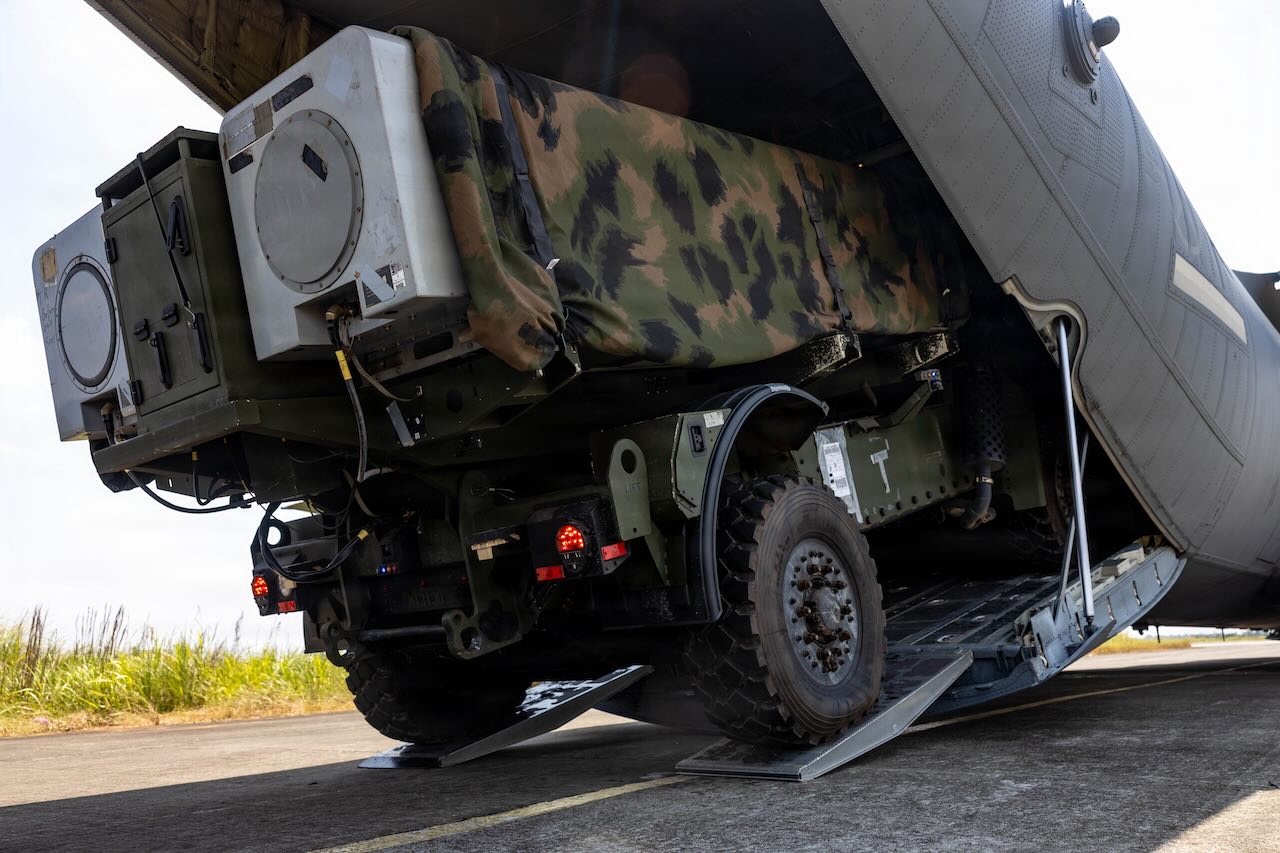
- 堤豐系統(Typhon): 美軍中程飛彈系統持續佈署於北呂宋,具備發射 SM-6 與戰斧飛彈的能力,直接覆蓋呂宋海峽。
- 布拉莫斯飛彈(BrahMos): 菲律賓海軍跟印度購買的岸置反艦飛彈連已具備初始作戰能力(IOC),在演習中演練了快速機動與目標截獲,體現了菲律賓「全面群島防衛構想」(CADC)的實質化。

防衛裝備轉移放寬的深層影響
今年也是日本自衛隊首次由觀察者角色變成參與者,若說 RAA 協定解決了自衛隊「人」進入菲律賓的法理問題,那麼日本「防衛裝備轉移政策」的放寬,則是解決了「武器裝備」的聯防基礎,這項政策轉型使日本從零星援助菲律賓到可以系統性裝備輸出,而隨著日本政府近年多次修訂「防衛裝備及技術轉移三原則」及其細則,日本已從僅能提供救援設備轉向提供具備戰鬥力的感測器與殺傷性裝備。舉例來說,菲律賓空軍接收的由三菱電機製造的J/FPS-3ME 空情監視雷達,在本次演習中扮演了關鍵角色。這標誌著日本二戰後首宗完整的、高度先進的國產裝備外銷成功,這類裝備的輸出,讓菲軍能直接與日美系統對接,形成統一的區域態勢感知。
日本放寬出口限制,讓菲律賓等國在選擇裝備時不再僅依賴美系或歐系,尤其是日本生產的巡邏艦、雷達、甚至是未來可能的12式反艦飛彈,通常具備極高的可靠性與整合性,非常適合群島地理環境,也能補足美國的造船產能不足。而日本這種裝備輸出讓東南亞國家在面對與中國的海域領土爭議時,不再只能是口頭抗議,而是擁有實質的偵測與應對工具,進而提升了區域的安全韌性。
另外政策放寬也允許日本參與國際共同研發(如 GCAP 六代機項目)及授權生產裝備的回銷(如愛國者飛彈)。這不僅提振了日本國內防衛產業,也讓日本在自言裝備上能有回收或降低經費支出。透過提供後勤維修、人員訓練與技術升級,日本開始國防產業的經濟循環。

日本在第一島鏈南段的戰略卡位
日本在 2026 肩並肩演習中的實質參與,可以說是基於「日本國家安全保障戰略」的主動出擊。日本水陸機動團(ARDB)官兵在菲律賓灘頭的登陸演習,是RAA生效後的首次大規模應用。這證明了日本自衛隊在遭遇「台灣有事」或南海緊急狀況時,已具備法律與技術路徑,能迅速與美、菲軍隊合流。透過在菲律賓部署監控能量與參與演習,日本成功將其防禦邊界從南西諸島向南推移至呂宋海峽北端,完成了第一島鏈防禦的最後一塊拼圖。
2026 年的「肩並肩」演習,預示著印太安全架構已從過去的「輻射狀」轉向「網狀」化。當菲律賓的飛彈、日本的偵測系統、美軍的長程打擊力量交織在一起時,網狀防禦方式將使任何試圖改變現狀的軍事行動都將面臨更高的代價。
菲律賓透過引入日本作為軍事裝備供應者,降低了在政治上對單一強權過度依賴的風險,且補足美國軍工產業過於高價先進且產能不足的缺陷。另外各國的共同參與,在結合日本在裝備與技術上的強力支撐,讓南海議題不再僅是地區性的領土爭議,而是一場關乎國際通行準則的全球防衛行動。
結論與展望
2026 年「肩並肩」演習的意義,在於它見證了一個「正常化」的日本正透過法律、軍事與產業等多重維度,深度嵌入印太防禦體系。日本放寬防衛裝備轉移的影響,也引起中國強大的反彈,過往在南海的技術優勢可能因為日本裝備的引進而消失,若美日菲多邊合作成行,第一島鏈南段的威懾力將從「點」連成了「線」。
國防部長顧立雄在上週的立法院質詢中回覆,由於日本與台灣目前沒有防衛協定,因此在目前是沒有辦法有相關軍事科技裝備的交流或採購,不過對未來保持開放的態度。
近期因為國外廠商簡報意外曝光的中科院強弓飛彈數據,具備超過 10 馬赫的極速與 1,500 公里的攔截/偵蒐潛力,專門應對高空、高速的戰術彈道飛彈。其 AESA 雷達能提供遠達 500 公里的預警,與美軍的堤豐系統(Typhon)共同覆蓋台灣及巴士海峽的防禦,凸顯在美軍彈藥荒的時期,需要印太地區各國自主生產彌補空隙,日本放寬武器出口政策剛好提供了關鍵的補位作用,減少了對美軍單一補給線的依賴。
立委 陳冠廷就強調,立法院應儘速通過軍購特別條例,確保台灣的關鍵戰力能如期部署。在大國資源被中東牽制的變局下,台灣必須把握自身技術突破與美日菲聯防轉型的契機,參與相關的區域聯盟找到自身的定位,將台灣打造成第一島鏈的關鍵堡壘。

Balikatan 2026 and the Strategic Reshaping of the First Island Chain
As April 2026 unfolds, global military developments reveal a complex two-front reality. In the Middle East, a U.S.–Iran conflict has rapidly consumed large stocks of American precision-guided munitions, forcing Washington to adjust strategy and increasingly rely on economic pressure rather than sustained missile campaigns. At the same time, in the Indo-Pacific, Exercise Balikatan 2026 has demonstrated a rapid reorganization of regional defense cooperation among the United States, the Philippines, Japan, and indirectly Taiwan. As concerns grow over a possible six-year gap in U.S. missile replenishment capacity, Japan’s decision to further open its defense industry to exports may become a decisive factor in preserving deterrence along the First Island Chain.
Ammunition Shortages and Indo-Pacific Readiness
Recent combat in the Middle East reportedly consumed hundreds of Tomahawk cruise missiles, large numbers of JASSM-ER strike weapons, and significant stocks of Patriot interceptors in only a short period. For Indo-Pacific allies, this raises an urgent question: if U.S. resources are redirected elsewhere, who fills the gap?
This strategic concern formed the backdrop of Balikatan 2026, held in late April in the northern Philippines. This year’s exercise involved more than 17,000 personnel and reflected not only larger scale, but greater strategic depth than previous iterations. The most significant change was Japan’s transition from observer status to active operational participant under the legal framework of the Reciprocal Access Agreement (RAA). At the same time, Tokyo’s gradual relaxation of its defense export restrictions is beginning to reshape Southeast Asia’s security architecture.
Official figures indicate the exercise included roughly 10,000 U.S. troops, 7,000 Philippine personnel, and 1,000 members of the Japan Self-Defense Forces. Training scenarios reflected the region’s most urgent threats.
A New Integrated Kill Chain
One major focus was maritime and air-domain targeting integration. During a sinking exercise (SINKEX) off northern Luzon, U.S. F-35Bs, Philippine FA-50PH aircraft, and Japanese surveillance systems reportedly linked through interoperable data networks such as Link-16. Such integration is central to future coalition defense, allowing multiple nations to share targeting data and react as one force.
The exercise also highlighted the deployment of key strike systems:
- Typhon Missile System: The U.S. Army’s mid-range missile battery remained deployed in northern Luzon, capable of launching SM-6 and Tomahawk missiles, placing the Luzon Strait within reach.
- BrahMos Coastal Missiles: The Philippines’ newly acquired BrahMos anti-ship missile batteries demonstrated mobile deployment and target engagement, supporting Manila’s Comprehensive Archipelagic Defense Concept.
Together, these systems form a layered deterrent network around the northern gateway to the South China Sea.
Japan’s Defense Export Shift
Balikatan 2026 also marked Japan’s first full participation as a military contributor rather than passive observer. If the RAA solves the legal issue of Japanese personnel operating in the Philippines, Tokyo’s revised defense export policy addresses the hardware side of collective defense.
Japan has gradually loosened the “Three Principles on Transfer of Defense Equipment and Technology,” allowing exports beyond purely humanitarian or rescue equipment. This now includes sensors, radars, and potentially lethal systems.
A key example is the Philippines’ acquisition of Mitsubishi Electric J/FPS-3ME air surveillance radar systems. These radars enhance Manila’s situational awareness while integrating more closely with Japanese and U.S. systems. It is also one of Japan’s most significant postwar exports of advanced indigenous military technology.
Japanese patrol vessels, radar systems, and potentially future Type-12 anti-ship missiles offer high reliability, maritime suitability, and quicker availability than some Western alternatives. For Southeast Asian nations facing maritime coercion, this creates real operational options rather than symbolic protest.
Japan’s Southern Strategic Positioning
Japan’s participation in Balikatan reflects the proactive logic of its National Security Strategy. Amphibious Rapid Deployment Brigade (ARDB) personnel took part in landing drills in the Philippines, marking one of the first major uses of the RAA in practice.
This means Japan now possesses both the legal and operational pathways to rapidly join U.S. and Philippine forces during a Taiwan contingency or South China Sea crisis. By extending surveillance cooperation and military presence southward, Tokyo is effectively pushing its defensive perimeter from the Ryukyu Islands toward the Luzon Strait—closing one of the final geographic gaps in the First Island Chain.
From Hub-and-Spoke to Security Network
Balikatan 2026 suggests the Indo-Pacific security system is evolving from the traditional U.S.-centered “hub-and-spoke” alliance model into a networked structure. Philippine missiles, Japanese sensors, and American long-range strike systems now complement one another.
This transformation raises the cost of any attempt to unilaterally alter the regional status quo.
For the Philippines, Japanese defense support reduces overdependence on a single power while also compensating for the high cost and limited production capacity of some U.S. defense systems. For the wider region, multilateral participation turns South China Sea security from a local dispute into an issue tied to international order and freedom of navigation.
Taiwan’s Position and Future Outlook
Taiwan remains formally outside these arrangements, though officials have indicated openness to future cooperation. For Taipei, the lesson is clear: regional deterrence increasingly depends not on one country’s arsenal, but on interoperable production, logistics, sensors, and strike networks.
As global resources are strained, Taiwan must accelerate domestic innovation, deepen practical ties with like-minded partners, and define its role within the evolving First Island Chain framework.
Balikatan 2026 has shown that deterrence in the region is no longer a series of isolated points—it is becoming a connected line.