

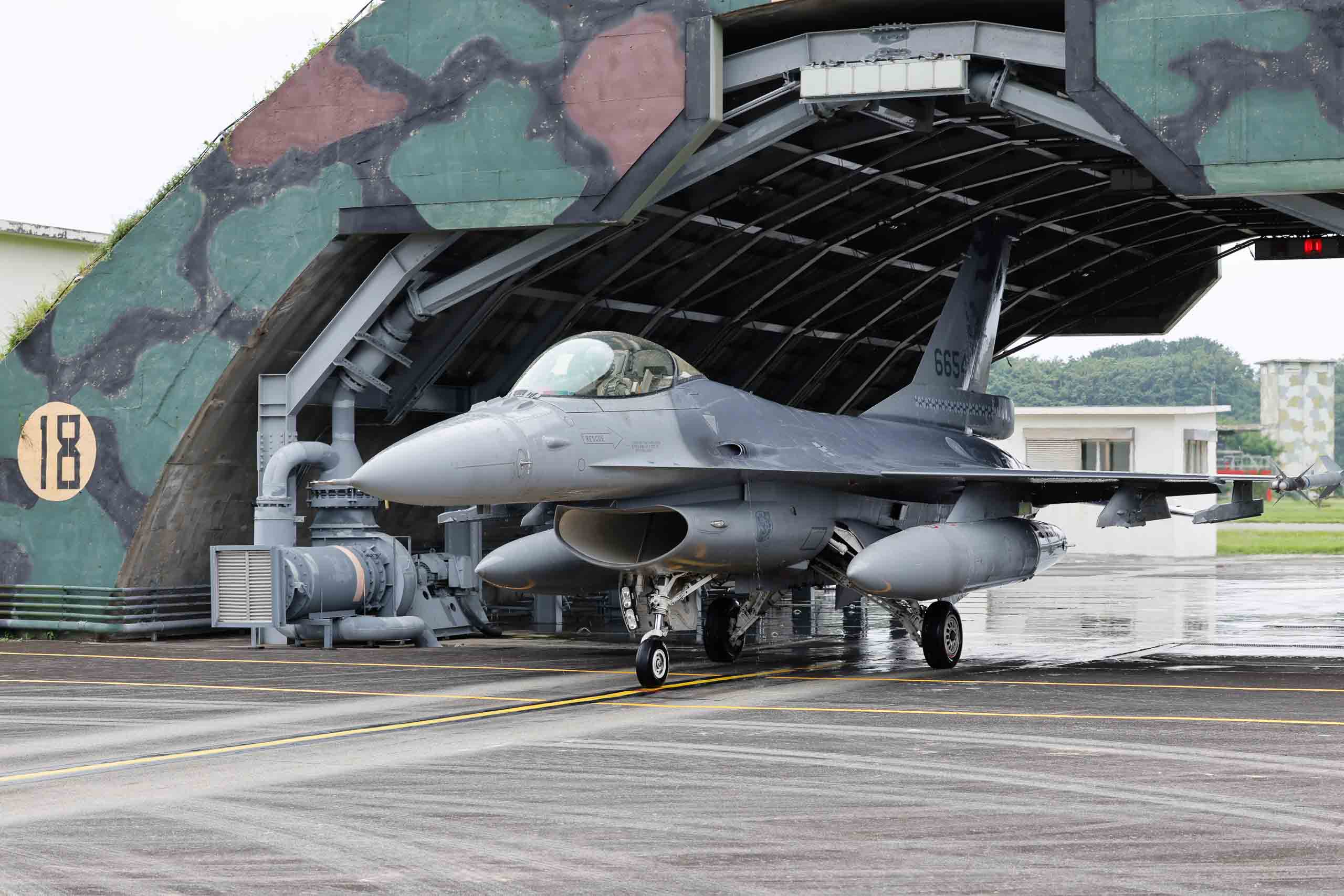
【軍傳媒/國內軍事新聞】立法院近日三讀通過國防特別條例,預算上限約新台幣7800億元。此版本與行政院原先提出的1.25兆元規模相比,縮減約4700億元,並將採購範圍主要限縮在對美軍購項目。通過版本大致分為兩階段:第一階段為已公開或已有發價書基礎的約3000億元對美軍售;第二階段則預留約4800億元,待美方後續同意相關軍售後分期編列。
行政院原版設計的重點不只是買美製武器,而是同時涵蓋三個方向:對外軍購、對外商購,以及國內委製。其政策目標包括建構「台灣之盾」、引進人工智慧與高科技加速擊殺鏈、厚植國防產業並建立非紅供應鏈。也就是說,行政院版本較像是一套「戰力獲得+產業建置+戰時韌性」的綜合計畫;三讀版本則更接近「以對美軍購為核心」的武器籌獲框架。
對台灣的主要影響
- 對美軍購獲得基本財源,但整體防衛體系仍不完整
7800億元版本讓已規劃的重大對美軍購取得較明確的特別預算授權,有助於推進防空、反彈道、反裝甲、遠程精準打擊等能力。對國軍而言,這至少可避免部分軍購項目因年度預算排擠或政治攻防而長期延宕。
但台灣面對的威脅不是單純用幾套先進武器即可解決,而是包含飛彈飽和攻擊、灰色地帶壓迫、海空封鎖、網路癱瘓、無人機蜂群、關鍵基礎設施破壞與後勤補給中斷等複合型威脅。如果被排除的商購、委製、AI指管、無人系統、國內產線與戰時持續量能無法補上,台灣可能出現「買到武器裝備,但體系接不起來」的問題。 - 國防自主與國防產業發展受到衝擊
行政院版強調非紅供應鏈與國內委製,目的在於降低戰時對外部供應的依賴。若只保留對美軍購,短期可取得成熟裝備,但長期會使台灣繼續受限於美方產能、交期、國會程序、全球軍援需求與國際軍工供應瓶頸。
對台灣而言,國防自主不是政治口號,而是戰時存活問題。若台海進入封鎖或準封鎖狀態,外購武器、彈藥、備份零組件、維修模組與通訊設備都可能受到干擾。國內若沒有足夠產線與維修能量,就算平時買進高性能裝備,戰時也可能因耗損與補給不足而快速降低可用率。舉例來說,中科院新研發的強弓飛彈就未列入此次預算中,在生產及部署都需要時間的情況下,中科院最強的飛彈能力就可能因為沒有足夠的預算而逐漸式微。 - 對美台安全互信產生雙重訊號
雖然從正面角度來看,立法院仍通過近8000億元規模的國防特別條例,代表台灣社會並非拒絕強化國防,也向美國釋出願意承擔自我防衛成本的訊號。
但同時傳達的負面訊號也很明顯,原本1.25兆元版本縮減至7800億元,且排除不少國防產業與新興戰力項目,可能讓美方認為台灣在安全壓力升高時,內部政治仍無法形成完整防衛共識,甚至有一半是親中國的政黨,就有如俄烏戰爭初期的烏克蘭,傳達的訊號對華府而言,台灣能否持續投資自我防衛,會影響美國軍售、協訓、聯合作戰規劃與戰略溝通的信心。 - 財政與監督問題被推上檯面
這次諸多爭議的國防預算特別條例,在野陣營主張,國防預算規模龐大,必須避免行政部門以「緊急」之名包裹過多不透明項目,尤其商購與委製若缺乏明確品項、價格依據、時程與驗收標準,可能產生浪費、綁標或圖利疑慮。這項質疑不是完全沒有道理,因為國防採購本來就有資訊不透明、專業門檻高、交期長、價格難驗證等問題。過往許多無人機、反無人機系統的採購質疑,包括一直驗收不過關的金門反無人機系統,國防部採購在被質疑對特定廠商不斷放水改變規格的情況下,受到民眾的不信任也只是自食惡果。

因此跳脫政治對立層面來看真正的關鍵,如何設計一套不洩密、可追蹤、能問責的國防特別預算監督機制,就是台灣最主要的關鍵。不願具名的軍方人士就提出許多原本的年度預算都被要求挪到特別預算,不免讓人有先射箭後畫靶的疑慮,國防部在特別預算條例的內容到底有沒有好好規劃?再加上過往許多採購讓人質疑流到綠友友企業,也是這次在野黨質疑論述的根基,而國防部之前的諸多缺失作為,強化了這類論述的正當性。若監督單位只用砍預算替代監督,可能會傷害戰力形成,但若以國安壓力為由完全迴避監督,也會削弱社會信任,因此有現在的結果也就不意外。
115年度編列的5613億國防預算中,人員費用2007億、作業維持1990億、軍事投資1615億(國內產製700億+對外採購815億)。台灣國防預算採「人員維持、作業維持、軍事投資」的分類;美國與北約常用「Personnel、Equipment、Infrastructure、Other」分類,其中Other通常包含作業維持、其他研發與未分配項目;日本則把「人員與糧秣、維持費、裝備採購、研發、設施、基地對策」分開;韓國官方新聞稿則主要分成「戰力運營費」與「防衛力改善費」,前者包含人員、維持、後勤與福利,後者近似台灣的軍事投資。
台灣115年度國防部年度預算各項分類比例約為:人員維持35.8%、作業維持35.5%、軍事投資28.8%。這代表台灣的年度預算結構已經不是傳統「人事費吃掉大半」型態,而是人員、維持、投資三者大致接近。比較世界各國的國防預算花費項目比例:
| 國家/地區 | 人員維持 | 作業維持 | 軍事投資 |
| 台灣 | 35.8% | 35.5% | 28.8% |
| 美國 | 27.3% | 41.1% | 31.6% |
| 英國 | 29.3% | 32% | 38.8% |
| 波蘭 | 26.8% | 15.1% | 58.2% |
| 法國 | 38.2% | 26.9% | 34.9% |
| 日本 | 27.1% | 41.7% | 31.2% |
| 韓國 | 人員與作業維持共69.7% | 30.3% |
從上表比較可看出三種模式。第一種是「成熟大國維持型」,如美國,作業維持占比極高,因為其全球基地、海外部署、戰備訓練、軍種規模與維修體系都非常昂貴。第二種是「重整軍備型」,如波蘭,因為面對俄羅斯威脅,短期內把極高比例投入裝備採購與軍事現代化,但這類模式後續必然面臨操作人員、保養維修、彈藥庫存與訓練經費追上的壓力。第三種是「區域威脅平衡型」,如台灣、日本、韓國,三者都面對高強度區域威脅,因此採購投資比重不低,但仍必須保留相當大的作業維持費,以確保既有戰力妥善率。
台灣若只看年度預算,軍事投資約28.8%,與美國、日本、韓國大致相近;但若把新式戰機、海空戰力提升與新一波國防特別預算納入廣義軍事投資,台灣的採購與研發比例會明顯上升,台灣確實需要快速補齊防空、反艦、無人系統、指管通資、彈藥庫存與海上拒止能力,但若軍事投資與特別預算快速擴張,作業維持、彈藥庫存、油料、零附件、維修量能與訓練經費沒有同步增加,作業維持若跟不上,國軍可能出現新裝備大量到位後,訓練、維修、零附件、彈藥、油料、模擬器、資通電備援與人員熟訓不足的落差。

After the Legislative Yuan passed Taiwan’s special defense budget bill totaling approximately NT$780 billion, debate immediately emerged over what the reduced package means for Taiwan’s long-term security strategy. Compared to the Executive Yuan’s original NT$1.25 trillion proposal, the final version cut nearly NT$470 billion and narrowed the procurement focus primarily to U.S. arms purchases.
The approved framework is broadly divided into two stages. The first includes roughly NT$300 billion worth of publicly known or formally proposed U.S. arms sales. The second stage reserves approximately NT$480 billion for future purchases pending U.S. approval and subsequent budget allocations.
The difference between the original and approved versions is not simply financial. The Executive Yuan’s proposal was designed as a comprehensive national defense modernization plan combining foreign military sales, direct commercial procurement, and domestic production programs. Its goals included strengthening Taiwan’s “Shield of Taiwan” strategy, integrating artificial intelligence into future kill chains, expanding the domestic defense industry, and building non-China-dependent supply chains.
In contrast, the version ultimately passed by the legislature is much closer to a traditional arms procurement package centered on U.S. weapons systems rather than a broader wartime resilience strategy.
The first major impact is that Taiwan now has a clearer funding path for several important U.S. defense acquisitions. These likely include air defense systems, anti-ballistic missile capabilities, anti-armor weapons, and long-range precision strike platforms. For Taiwan’s military, the passage of the special budget helps prevent critical procurement programs from being delayed indefinitely by annual budget disputes or domestic political conflict.
However, Taiwan’s security challenges extend far beyond simply purchasing advanced weapons. The threats Taiwan faces include missile saturation attacks, gray-zone pressure, maritime and air blockades, cyber warfare, drone swarms, attacks on critical infrastructure, and logistics disruption. If the portions removed from the original proposal — including AI-enabled command systems, domestic industrial programs, unmanned systems, and wartime sustainment capacity — are not replaced through other mechanisms, Taiwan could eventually face a situation where it acquires advanced weapons but lacks the integrated systems necessary to fully employ and sustain them.
A second major issue involves Taiwan’s long-term defense self-reliance. The Executive Yuan’s original proposal strongly emphasized non-China supply chains and domestic manufacturing. The strategic purpose was to reduce Taiwan’s wartime dependence on foreign suppliers.
If Taiwan relies almost entirely on U.S. military procurement, it may obtain mature and capable systems in the short term, but it will remain highly dependent on U.S. production schedules, Congressional approval processes, global military aid priorities, and international supply chain bottlenecks. For Taiwan, defense self-sufficiency is not simply a political slogan — it is directly tied to wartime survival.
In a blockade or semi-blockade scenario around Taiwan, imported weapons, ammunition, spare parts, repair modules, and communications systems could all become difficult to sustain. Without sufficient domestic production and maintenance capacity, even advanced systems acquired during peacetime may quickly lose operational readiness during wartime due to attrition and supply shortages.
For example, NCSIST’s newly developed “Strong Bow” missile system was not included in the current budget package. Since missile production and deployment require years of preparation and investment, insufficient funding could gradually weaken Taiwan’s most advanced indigenous missile capabilities before they fully mature.
The special budget also sends mixed signals to the United States. On one hand, the passage of nearly NT$780 billion in defense funding demonstrates that Taiwan is still willing to invest heavily in national defense and share the burden of its own security. This is an important message to Washington.
On the other hand, the significant reduction from NT$1.25 trillion to NT$780 billion — particularly the removal of many industrial and emerging warfare programs — may raise concerns within the United States regarding Taiwan’s political consensus on defense. Some American policymakers may question whether Taiwan’s domestic political system can maintain long-term commitment to defense modernization during periods of increasing pressure from China.
This perception matters because American confidence directly affects future arms sales, joint planning, military training cooperation, and strategic coordination.
Another major issue pushed into public debate involves oversight and transparency. Opposition parties argued that such a large special budget requires stronger accountability mechanisms to prevent waste, favoritism, or poorly defined procurement projects. Concerns were especially focused on direct commercial purchases and domestic contracts lacking clearly defined specifications, pricing standards, delivery schedules, or verification procedures.
These criticisms are not entirely unfounded. Defense procurement is inherently difficult to evaluate due to secrecy requirements, technical complexity, long timelines, and pricing challenges. Previous controversies involving drones and counter-drone systems — including Taiwan’s problematic Kinmen anti-drone project — have already damaged public trust after repeated accusations of specification changes and procurement irregularities.
As a result, the central issue is not simply whether Taiwan should spend more on defense, but whether it can build a transparent and accountable special budget oversight system without compromising national security.
Some military insiders have also privately questioned whether certain projects originally intended for regular annual budgets were shifted into the special budget package afterward, creating concerns about insufficient long-term planning within the Ministry of National Defense.
The structure of Taiwan’s broader defense spending also provides important context. Taiwan’s FY2026 defense budget totals approximately NT$561.3 billion, divided into personnel costs (NT$200.7 billion), operations and maintenance (NT$199 billion), and military investment (NT$161.5 billion, including domestic production and foreign procurement).
This means Taiwan’s defense budget is no longer dominated by personnel spending alone. The current allocation is roughly balanced among personnel, sustainment, and investment categories.
Compared internationally, Taiwan’s military investment ratio of approximately 28.8% is relatively similar to countries such as the United States, Japan, and South Korea. Poland, however, currently allocates far higher percentages toward rapid military modernization due to the Russian threat.
The key challenge for Taiwan is balance. Taiwan urgently needs stronger air defense, anti-ship systems, unmanned capabilities, command-and-control networks, ammunition stockpiles, and maritime denial capabilities. But if procurement spending expands too quickly without corresponding increases in operations, maintenance, logistics, spare parts, fuel, training, and sustainment capacity, Taiwan could eventually face a dangerous readiness gap.
In such a scenario, large quantities of advanced equipment may arrive, but insufficient training, maintenance, ammunition reserves, spare parts, simulation systems, and operational support could significantly reduce actual combat effectiveness. Modern warfare is not determined solely by how many weapons are purchased, but by whether those systems can remain operational and sustainable under prolonged high-intensity conflict conditions.