

【軍傳媒/國際軍事新聞】2026 年 1 月初,世界軍事與外交戰略圈被一則震撼性的新聞推至全球焦點:美國軍隊對委內瑞拉展開軍事行動,成功逮捕現任總統尼古拉斯·馬杜洛及其妻子,並將兩人帶回美國接受聯邦審判。這場被稱為「絕對決心行動」(Operation Absolute Resolve)的軍事行動,引發國際社會廣泛爭論,也標誌著美國軍事介入模式從傳統入侵干預向高度精準權力投射的根本性轉型。
回顧近三十餘年美國對外軍事行動的演變,可以清楚看出其作戰理念已發生結構性轉變。1989年美國入侵巴拿馬、逮捕諾瑞嘉的「正義之師」行動,與2026 年1月2日美國逮捕委內瑞拉採取逮捕馬杜洛的軍事行動,在規模、手段、政治操作與戰後構想上,幾乎代表兩個不同時代的戰爭模式。此一轉變,不僅反映美軍能力的技術進步,更揭示美國對戰爭成本、政治風險與權力投射方式的重新定義,也為中國與俄羅斯未來的海外干預模式提供重要參考。

美國軍事干預模式的結構性演進
1989年的巴拿馬行動,正式名稱為 Operation Just Cause,目標是推翻並逮捕時任領導人曼洛.諾瑞嘉(Manuel Noriega),這場軍事行動發生於冷戰尾聲,是美國在拉丁美洲進行高強度軍事干預的代表案例,其作戰邏輯與政治假設,深受冷戰思維影響。
1989年巴拿馬行動的核心特徵,在於其全面性的軍事入侵,美軍投入約27,000 名兵力,動用空降、機步、裝甲與特種部隊,迅速摧毀巴拿馬國防軍體系,控制交通節點、政府設施與通訊系統,作戰目標不僅是諾瑞嘉本人,而是整個國家權力結構,包含其軍隊,這是一場典型的以軍事壓倒性優勢,迫使政權崩解的行動,從1989年12月20日行動開始,諾瑞嘉於1990年1月3日投降結束,整個過程不到2週的時間。
然而這種模式的代價同樣明顯,由於直接入侵作戰,因此在巴拿馬市區作戰導致不少平民傷亡,國際輿論批評美國侵犯主權,而在行動結束後,美國等同實質佔領,即便時間不長,但仍必須承擔相當程度的戰後穩定與政治重建責任。從今日角度回看,巴拿馬行動反映的是一種對戰爭成本評估相對粗放的時代背景。
相比之下, 2026年美國以軍事特戰小隊入侵逮捕方式處理委內瑞拉政權核心人物尼可拉斯.馬杜洛(Nicolás Maduro),該行動更可能呈現為一場高度精準、低曝光度、短時間快速完成的斬首式作戰,而非傳統意義上的入侵戰爭,兩者的差異,正好構成理解當代軍事干預演進的重要對照。
美軍在這次的作戰手段與技術整合方面也顯示出明顯進步;美國此次行動動用了空軍打擊、無人機監控、電子戰干擾及特種作戰部隊協同作戰,並結合中央情報局長期的動態監控與內線線人情報來確保目標所在地及行蹤的掌握,馬杜洛甚至來不及逃往宅邸內的安全室就被捕獲。行動的成功不僅是火力的展示,更是跨域信息優勢、智慧指揮控制與精準打擊能力的綜合體現,這種綜合式作戰模式已遠超過20世紀末期的線性作戰框架。
進入21世紀後,特別是在伊拉克與阿富汗經驗的影響下,美國對「大規模地面介入」的態度已顯著轉趨保守,作戰的成功標準,將不再是控制多少領土,而是在最短時間內、最低政治與軍事成本下,達到想要的目的與效果。

美國的戰略意圖
此次行動的國際政治操作與法律包裝也與之前的入侵巴拿馬有顯著差異,1989 年美國的對外論述多半是在行動成功後再加以事後補強,招致不少批評,美國政府此次先將馬杜洛涉嫌跨國販毒、「毒品恐怖主義」的指控連結在一起,並一直預告將執行逮捕行動,為可能的軍事行動強調定調為「執法與反毒行動」,試圖從國內法律甚至某種程度的國際司法正當性角度為軍事干預加註法律色彩。雖然這樣的訴求在國際社會引發強烈批評,聯合國秘書長及多國政要均指出此次行動無視國際法規定的主權原則和武力使用限制,暴露出當代軍事干預在合法性層面的深層矛盾。
美國在戰後責任安排上採取了更為謹慎的策略,美國總統川普雖然曾在行動後表態將暫時「治理」委內瑞拉,這引發國際法與主權秩序的重大爭議,但隨後美國國務卿馬可·魯比歐對相關說法進行了調整,聲稱不打算全面接管國家治理,而是通過外交和經濟壓力促成政治過渡,也就是扶持親美政權的模式。這種策略上的微調反映出相較於20世紀的直接統治理念,當代軍事行動更傾向於降低戰後佔領與重建的成本,且藉由掌控該國政治達到牽制古巴及其他國家的目的。
對中國與俄羅斯海外干預模式的戰略啟示
美國在2026年出就直接採取的精準斬首式干預,為全球其他主要軍事與戰略行為者,包括中國和俄羅斯,提供了重要的經驗與警示。對俄羅斯而言,這種模式凸顯了「核心人物比整體防衛系統更脆弱」的戰略節點風險。在俄羅斯過去的對外干預中,例如在敘利亞與東歐的行動,莫斯科依賴有限兵力投射、代理人力量及戰略要點控制來實現其戰略目的。美國此次行動顯示,如果對抗方能快速定位並捕獲政治核心人物,傳統意義上的地區控制與防線可能會迅速瓦解,俄羅斯在設計其海外干預或安全合作策略時,可能需更加重視高級政治與軍事決策者的安全防護與通信隔離能力,以避免類似的精準打擊風險。
對中國而言,美國行動提出了海外利益保護的一系列戰略挑戰,中國在過去數十年主要透過經濟影響力、基建投資與安全協定來擴展其全球影響力,而避免直接軍事介入。然而隨著軍力擴張,中國開始將軍事力量向海外延伸;然而美軍這次在極短時間內完成對主權國家領導人的捕獲行動,中國在設想任何形式的海外軍事行動時,必須考慮美國在情報收集、跨域行動協同以及無人系統與人工智能技術整合方面的優勢,中國若單純依靠現有的安全合作機制與有限軍事存在,可能不足以有效防止類似針對中國海外利益或人員的精準打擊。
美軍此次行動的政治後果突顯出強權介入他國內政所帶來的國際政治成本,美軍介入造成的中南美國家政治反彈與形象損失,也給中國未來處理類似事件的啟示,並在安全部署上更多採用混合策略,而非僅僅依賴軍事硬實力或經濟力量硬推。
美軍此次行動引發北韓、古巴等國強烈譴責,並且中國已公開指責美國侵犯主權與違反國際法,然而同樣的指責亦在俄羅斯與中國身上發生過,這些反應不僅反映出當前國際秩序的緊張態勢,未來大國之間在「合法性框架」與「軍事行動邊界」上的深層博弈,但現時仍是殘酷的,只要拳頭夠大,幾乎沒有可以相對應制衡的力量,這也是如今世界局勢的走向。

戰略干預的未來輪廓
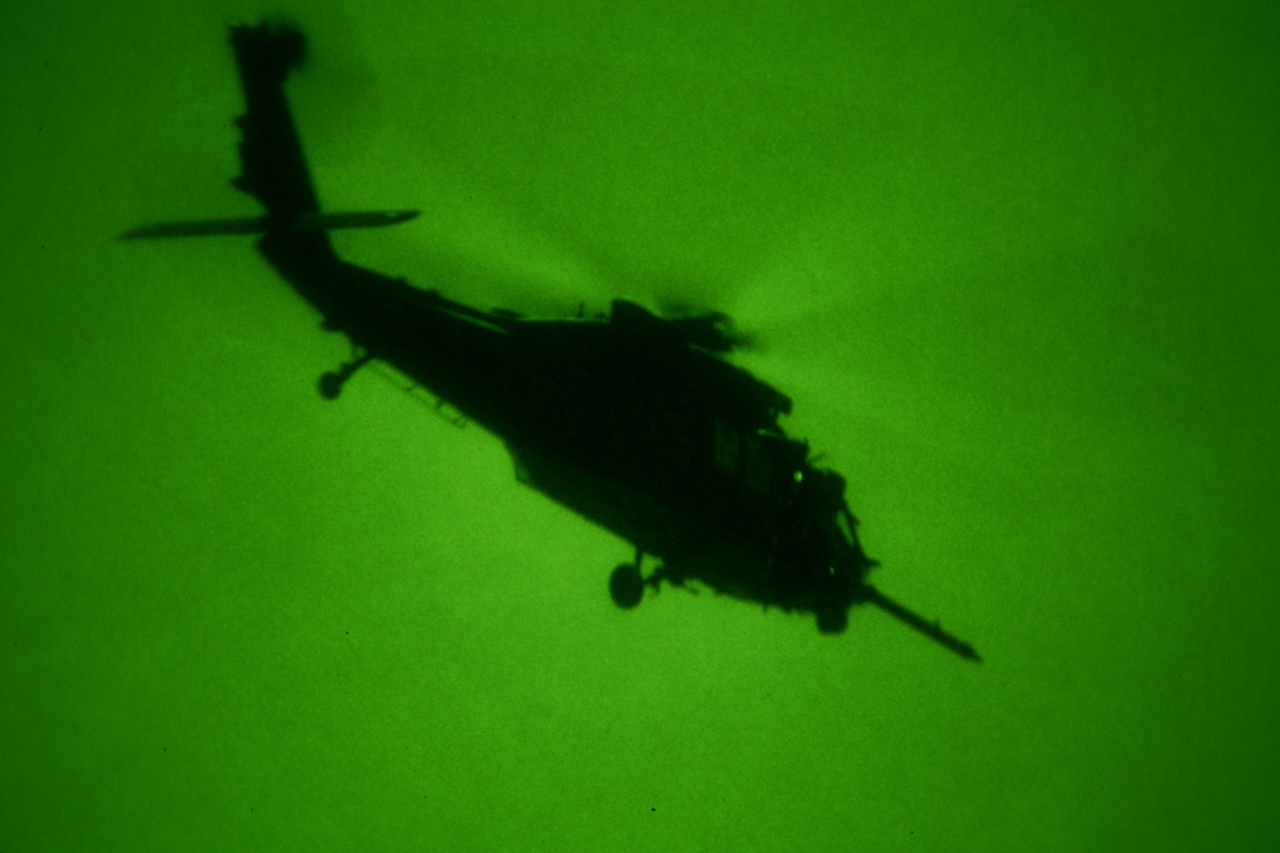
1989年的軍事行動,如同過往機械戰爭的翻版,藉由一層層瓦解外圍防禦而達到核心,2026年初美軍對委內瑞拉的軍事斬首行動,不僅是一次具體的行動案例,它更象徵了當代大國軍事干預模式的一次戰略性轉向。資訊的掌握、控制成為新型態軍事的核心,切斷敵對勢力的指揮通訊,大規模的電子干擾,以硬殺及軟殺方式癱瘓防空系統,利用武裝直升機隊的低空特戰突襲直搗黃龍,這一模式在效率與成本控制上展現出明顯優勢,同時展現美軍的整體作戰效能,但也挑戰了戰後國際秩序的基本規範,並為其他大國在規劃自身海外行動時提出了新的戰略課題。
外界評估美軍的行動方式有不同的解讀,甚至有美軍軍力衰退只能採取小規模行動的說法,美軍軍力衰退是事實,但此種作戰模式正是其轉型的測試,不對稱作戰方式逐漸形成共識,過往砸大錢的高成本軍事行動模式在川普政府的商人思維下悄然改變,中製的防空系統這次並未如預期般發揮作用,號稱可以偵測隱形戰機的雷達在體系化作戰下毫無發揮作用,更凸顯未來戰爭並非單一武器性能出眾就能掌握大局,體系化作戰將成為軍事強權的基本要求。
The Evolution of U.S. Decapitation Operations: From Panama to Venezuela
In early January 2026, the global security community was shaken by reports that U.S. forces had conducted a military operation in Venezuela, capturing President Nicolás Maduro and transferring him to the United States for federal prosecution. Known as “Operation Absolute Resolve,” the action triggered widespread international controversy and marked a decisive evolution in U.S. military intervention—from large-scale invasion warfare to precision-focused power projection.
Comparing this operation with the 1989 U.S. invasion of Panama under Operation Just Cause highlights a fundamental shift in American warfighting philosophy. While both operations sought to neutralize hostile leadership, they differed sharply in scale, execution, political framing, and post-conflict intent. This evolution reflects not only technological advancement, but also a reassessment of war costs, political risk, and strategic efficiency, with implications extending to China and Russia’s overseas intervention models.
Operation Just Cause represented a Cold War–era approach to intervention. Nearly 27,000 U.S. troops were deployed to dismantle Panama’s entire military and political structure, culminating in Manuel Noriega’s surrender within two weeks. Although militarily successful, the operation generated civilian casualties, international criticism over sovereignty violations, and imposed post-conflict stabilization burdens on Washington. In retrospect, it exemplified an era in which the long-term costs of intervention were secondary to rapid regime collapse.
By contrast, the 2026 Venezuela operation was executed as a short-duration, low-visibility decapitation strike. Rather than dismantling the state, the mission focused narrowly on capturing a single high-value target. U.S. forces integrated air power, drones, electronic warfare, special operations units, and long-term intelligence penetration to achieve decisive results within hours. The operation demonstrated dominance in information, command-and-control, and cross-domain coordination—far removed from the linear, platform-centric warfare of the late 20th century.
This shift reflects lessons learned from Iraq and Afghanistan. Modern U.S. military success is no longer defined by territory seized, but by achieving political objectives rapidly while minimizing military exposure and post-conflict obligations.
Political and legal framing has also evolved. Unlike the Panama invasion, which relied on post hoc justification, the 2026 operation was preceded by sustained legal and informational preparation. U.S. authorities framed the action as an extension of law enforcement, linking Maduro to transnational drug trafficking and “narco-terrorism” charges. While this narrative failed to prevent international backlash—particularly at the United Nations—it illustrates how legal warfare and information operations have become integral components of modern military action.
Post-operation strategy further underscores this transformation. Despite initial rhetoric suggesting temporary U.S. governance, Washington quickly clarified that it would avoid occupation, instead relying on diplomatic and economic pressure to shape political outcomes. This approach reflects a broader U.S. shift away from nation-building toward indirect control and cost containment.
For Russia, the operation underscores the vulnerability of political leadership as a strategic center of gravity. Moscow’s reliance on proxies and limited force projection abroad may prove insufficient against adversaries capable of rapid intelligence-driven decapitation. Enhanced leadership protection, counter–special operations capabilities, and secure communications will become increasingly critical.
For China, the episode highlights challenges in protecting overseas interests. Beijing’s traditional reliance on economic influence and minimal military presence may be inadequate against integrated U.S. capabilities combining intelligence dominance, unmanned systems, and AI-enabled coordination. As China expands its global footprint, it will need to reassess how it mitigates similar risks.
Ultimately, the Venezuela operation signals a broader transformation in great-power intervention. Warfare is shifting from industrial-era mass to information-centric precision. Control of data, networks, and decision cycles now outweighs sheer platform performance. The failure of advanced air defense systems to counter integrated U.S. operations reinforces a key lesson: future conflicts will be decided by system-of-systems warfare, not individual weapons.
From Panama to Venezuela, U.S. military intervention has evolved from occupation-driven invasion to targeted strategic disruption. This model may offer efficiency and reduced cost, but it also challenges the foundations of international norms—reshaping how power, legitimacy, and force will be contested in the years ahead.