

【軍傳媒/國際軍事新聞】近期中東局勢升高,美國與伊朗之間的軍事衝突再度讓荷姆茲海峽(Strait of Hormuz)成為全球關注的焦點。這條寬度最窄僅約數十公里的海上通道,承載全球70%的石油運輸,如今受到封鎖,對國際能源市場與全球航運造成重大衝擊。伊朗放話不讓任何一滴石油運出海峽,雖然油價在衝高至120美金/每桶後回落至84美金/每桶左右,但已經嚴重衝擊世界經濟。雖然美軍從開戰初就開始有系統摧毀伊朗海軍以及陸基飛彈攻擊海峽船隻的能力,但仍無法完全杜絕相關的攻擊,而在衝突升高的背景下,海運保險金額大幅提高,甚至有停止保戰爭險的情況發生。此一情勢再次凸顯水雷威脅在現代海上衝突中的戰略價值,即使在高科技武器普遍存在的今日,水雷仍然能以低成本對重要航道形成實質威脅。
水雷是歷史最悠久且成本效益極高的海上武器之一。自19世紀末期開始,水雷便被各國海軍視為限制敵方海上機動的重要手段,二次大戰美軍有六成的軍艦因水雷而損傷,即使在精準導引武器與衛星偵察高度發達的今天,由於軍艦設計及使用材質的改變,水雷仍然被視為最具威脅性的海上拒止武器之一。其原因在於部署成本低、效果持久、威懾力高,同時排除難度大,且單發水雷對現代軍艦造成的損壞更高,一枚成功布設未被發現的水雷所造成的戰略效果,往往遠高於其製造成本。
簡單來說,水雷依照其作動方式與結構形式,可分為多種類型,最基本的碰撞引爆式,包括漂浮水雷、繫留水雷等,繫留水雷透過纜索固定在海床,浮於一定水深,當艦船碰觸或接近時引爆。這種水雷結構簡單、成本低廉,且對防守方來說容易掌握,歷史上廣泛使用於港口防禦與海峽封鎖。

「Arctic Edge」為每兩年舉行一次的本土防衛演習,旨在於嚴苛寒冷環境下提供高品質且有效的聯合作戰訓練。
Cpl Hugo Montpetit, Canadian Forces Combat Camera, Canadian Armed Forces)
另一類是沉底感應水雷(bottom mine),直接置於海床上,主要依賴感測器判斷目標。這類水雷常見於現代水雷戰中,因其隱蔽性高,不易被發現。沉底水雷通常配備磁感應、聲學感測或壓力感測裝置等多重感測器,能夠辨識船舶通過時所產生的磁場變化、螺旋槳聲音或水壓變化後啟動水雷。
在布設方式上,由於智慧水雷的小型化,可以由水面艦艇、潛艦、飛機甚至直升機投放。部分國家亦發展火箭投射式或導引式水雷,使布雷範圍更廣。布雷行動往往不需要大型艦隊,只需少數平台即可完成,因此具有高度隱蔽性。伊朗戰前釋出的宣傳影片中,可見其主要是由革命衛隊隱藏在地下坑道中的小艇攜帶4枚左右水雷布放,既難被發現又分散化,缺點是無法大量投射,但只要造成可能的威脅,就能達到實質封鎖海峽的目的。
面對水雷威脅,各國海軍發展出完整的反水雷作戰體系,其中最重要的便是掃雷與獵雷技術。掃雷主要目的是清除或引爆水雷,使航道恢復安全。

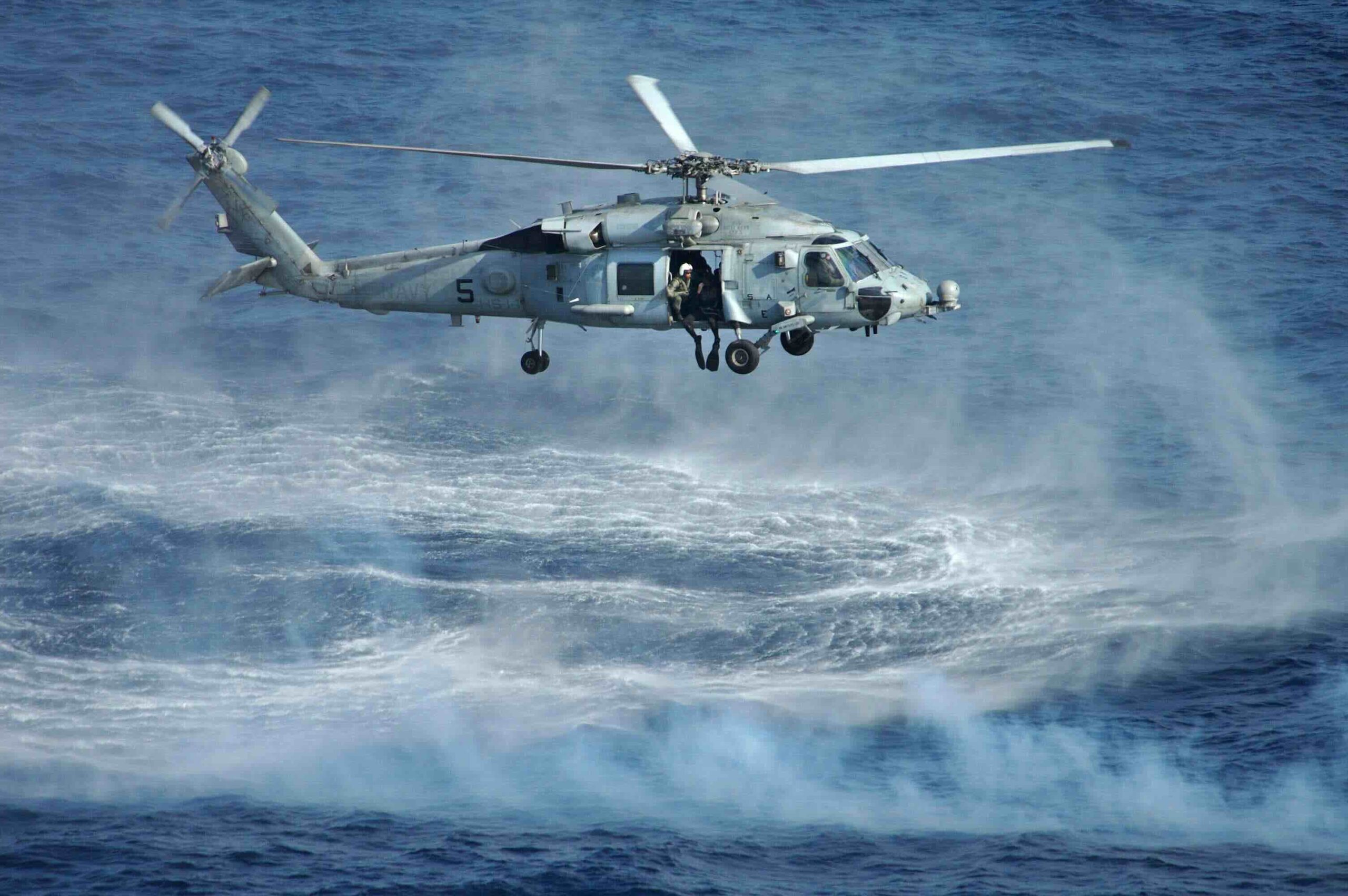
最傳統的方式是拖曳式機械掃雷(mechanical sweeping)處理繫留雷。掃雷艦拖曳鋼纜與切割裝置,切斷繫留水雷的纜索,使水雷浮出水面後再以機槍或小型火砲將其擊毀。只要幾艘掃雷艇並列掃雷就能清出足夠寬的航道,不過對於現代智慧型感應水雷就無法完全清除。拖曳式掃雷也可將載具換成直升機,由大型直升機拖曳掃雷裝置,能快速清理大面積海域,此方式不受水深限制,在港口與近岸水域具有相當效率。
對於感應水雷,目前可以讓掃雷艦拖曳模擬裝置,產生類似船舶的磁場或聲音,使水雷誤判引爆。例如磁掃雷裝置會產生強烈電磁場,模擬大型船艦通過時的磁特徵。聲音掃雷則透過拖曳聲源擴大器模擬螺旋槳噪音誘爆水雷。


為了解決藏在海底的智慧水雷,現代海軍逐漸轉向獵雷作戰(mine hunting)。這種方式是先利用高解析度聲納搜尋海底物體,辨識出可以物體後,再由遙控水下載具(ROV)或無人水下載具(UUV)進行辨識確認為水雷後,再使用小型爆炸裝置進行精確摧毀。這種方式對沉底水雷特別有效,但是缺點就是效率低,處理單顆水雷需花費很長時間,且掃雷艇本身在執行任務時易受攻擊。
隨著科技發展,無人系統的加入使反水雷作戰產生重大變化。多國海軍開始使用無人水面艇(USV)拖曳掃雷裝置,或使用無人潛航器進行偵測與處理,降低掃雷艦面臨的風險。美國、英國與日本等國均已建立無人反水雷系統。

在台海情境下,水雷可能成為雙方海上作戰的重要工具。解放軍海軍長期重視水雷戰,擁有多種水雷型號與布雷能力,包括潛艦布雷、水面艦布雷以及航空布雷。公開資料顯示中國發展的水雷包含沉底感應水雷與多感測器水雷,部分具備目標識別能力,其數量與性能遠超台灣中科院研製的萬象系列,值得台灣注意。
在戰略運用上,解放軍可能利用水雷封鎖台灣主要港口或海軍基地,例如基隆、蘇澳、高雄等港口。其可於宣戰前利用偽裝的民間船隻於台灣近海佈設智慧沉底水雷,開戰才遠端遙控啟動,將對台灣海軍的艦艇進出造成嚴重限制,甚至在掃雷完成前直接封鎖台灣海軍的出港,或是藉此封鎖台灣進口能源物資的航道。
台灣對水雷的運用方式,是在兩棲作戰前於近岸海域布設防禦性水雷,以阻止解放軍海軍的登陸行動,此種戰術在歷史上曾被多國使用,但以美伊戰爭的經驗,台海衝突若解放軍取得空優,將對海軍艦艇展開獵殺,限制台灣方面的布雷能力。
對台灣而言,應對水雷威脅的核心在於建立完整的反水雷能力,必須強化獵雷艦與掃雷艦的數量與技術,隨著出生率的降低,發展無人反水雷系統,包括無人水面艇與無人潛航器是必要的,台灣仍執著於可見的大艦建造,完全不合未來戰場可能的環境,俄烏戰爭及美伊戰爭給的經驗與啟示,似乎仍未傳到遙遠的島嶼台灣。
目前法國及英國紛紛派出航空母艦及護衛艦隊前往中東,雖然被川普批評是撿尾刀作秀,但國際合作的確是提升反水雷能力與效率的重要途徑。部分國家在反水雷作戰上具有成熟技術與訓練經驗,透過聯合演訓與技術交流,可以提升作戰效率。
在未來海戰中,水雷仍將是低成本高效能的戰略武器,一顆藏在航道上或港口外的智慧水雷,能在敵方潛艦戰力出港時就將其損傷或擊沉,減少需要投入的反潛兵力,同時又達到不對稱作戰的經濟效益比。台灣是島嶼型國家,確保海上交通線安全與港口運作能力,是國家防衛的重要環節。台灣必須建立多層次的反水雷體系,將能降低水雷封鎖帶來的戰略風險,維持海軍與商業航運的運作能力。

Strait of Hormuz Blockade Raises Global Economic Concerns and Renewed Focus on Mine Warfare
Escalating tensions in the Middle East have once again brought global attention to the Strait of Hormuz following military confrontation between the United States and Iran. This narrow maritime corridor—only a few dozen kilometers wide at its narrowest point—carries a significant share of the world’s oil shipments. With the strait threatened by blockade, global energy markets and maritime shipping have been severely affected. Iran has declared that no oil will be allowed to pass through the strait. Oil prices briefly surged to around $120 per barrel before falling to roughly $84, but the disruption has already placed pressure on the global economy.
Although U.S. forces quickly targeted Iranian naval assets and land-based missile systems capable of attacking vessels in the strait, the threat has not been completely eliminated. Maritime insurance premiums have surged, and some insurers have even suspended war-risk coverage for ships operating in the region. This situation highlights the continuing strategic value of naval mines in modern maritime conflict. Despite the prevalence of advanced weapons, mines remain capable of threatening critical sea lanes at very low cost.
Naval mines are among the oldest and most cost-effective weapons at sea. Since the late nineteenth century they have been used to restrict an enemy’s maritime mobility. During World War II, a large proportion of U.S. naval vessels damaged in combat were affected by mines. Even in an era of precision weapons and satellite surveillance, mines remain one of the most dangerous sea-denial tools because they are inexpensive, difficult to detect, and capable of inflicting significant damage on modern warships. A single undetected mine placed in a strategic waterway can generate effects far greater than its cost.
Naval mines can be divided into several categories based on their operating mechanisms. The most basic are contact mines, including drifting and moored mines. Moored mines are anchored to the seabed and float at a fixed depth, detonating when vessels collide with or approach them. Another major type is the bottom influence mine, which rests on the seabed and uses sensors such as magnetic, acoustic, or pressure detectors to identify passing vessels before detonating. Because of their concealment and advanced sensing capabilities, bottom mines are widely used in modern mine warfare.
Modern mines can be deployed by surface ships, submarines, aircraft, or helicopters, and some countries have developed rocket-delivered or guided mines to extend deployment range. Mine-laying operations require only a small number of platforms and can therefore be conducted covertly. Iranian footage released before the conflict showed small boats from the Revolutionary Guard deploying mines from concealed underground facilities. Even limited deployments can create enough threat perception to disrupt shipping through the strait.
To counter these threats, navies have developed comprehensive mine countermeasure systems. Traditional minesweeping methods involve towing cables that cut the mooring lines of mines, allowing them to float to the surface where they can be destroyed. Helicopter-towed sweeping systems can clear large areas quickly, particularly in shallow waters. For influence mines, ships may tow devices that simulate a vessel’s magnetic or acoustic signature, triggering mines prematurely.
Modern navies increasingly rely on mine-hunting techniques. High-resolution sonar is used to detect suspicious seabed objects, which are then inspected by remotely operated or autonomous underwater vehicles. Once confirmed as mines, they can be destroyed with small explosive charges. Although effective, this process is slow and requires careful identification of each individual mine.
Unmanned systems are now transforming mine countermeasure operations. Many navies are deploying unmanned surface vessels and autonomous underwater vehicles to detect and neutralize mines while reducing risks to crewed ships. The United States, the United Kingdom, and Japan have all developed operational unmanned mine countermeasure systems.
In a potential Taiwan Strait conflict, naval mines could become a significant operational tool. The People’s Liberation Army Navy has long emphasized mine warfare and possesses a wide range of mine types and deployment capabilities, including submarine, surface ship, and aerial mine-laying. Public information suggests that China has developed advanced bottom influence mines and multi-sensor mines, with capabilities exceeding Taiwan’s domestically produced systems.
Strategically, the PLA could use mines to blockade Taiwan’s major ports such as Keelung, Suao, and Kaohsiung. Mines could even be covertly deployed by disguised civilian vessels before hostilities begin and remotely activated once conflict starts, severely restricting Taiwan’s naval movements and potentially disrupting sea lanes used for energy imports.
Taiwan would likely use defensive minefields in coastal waters to counter amphibious landings. However, if the PLA gains air superiority, Taiwanese naval forces could face significant risk when deploying mines. For Taiwan, the key challenge lies in building stronger mine countermeasure capabilities, including more mine-hunting vessels and the development of unmanned systems such as unmanned surface vessels and autonomous underwater vehicles.
As an island nation dependent on maritime trade, Taiwan must ensure the security of its sea lines of communication and port operations. Establishing a multi-layered mine countermeasure system will be critical to reducing the strategic risks posed by naval mines and maintaining both naval operations and commercial shipping in future conflicts.