

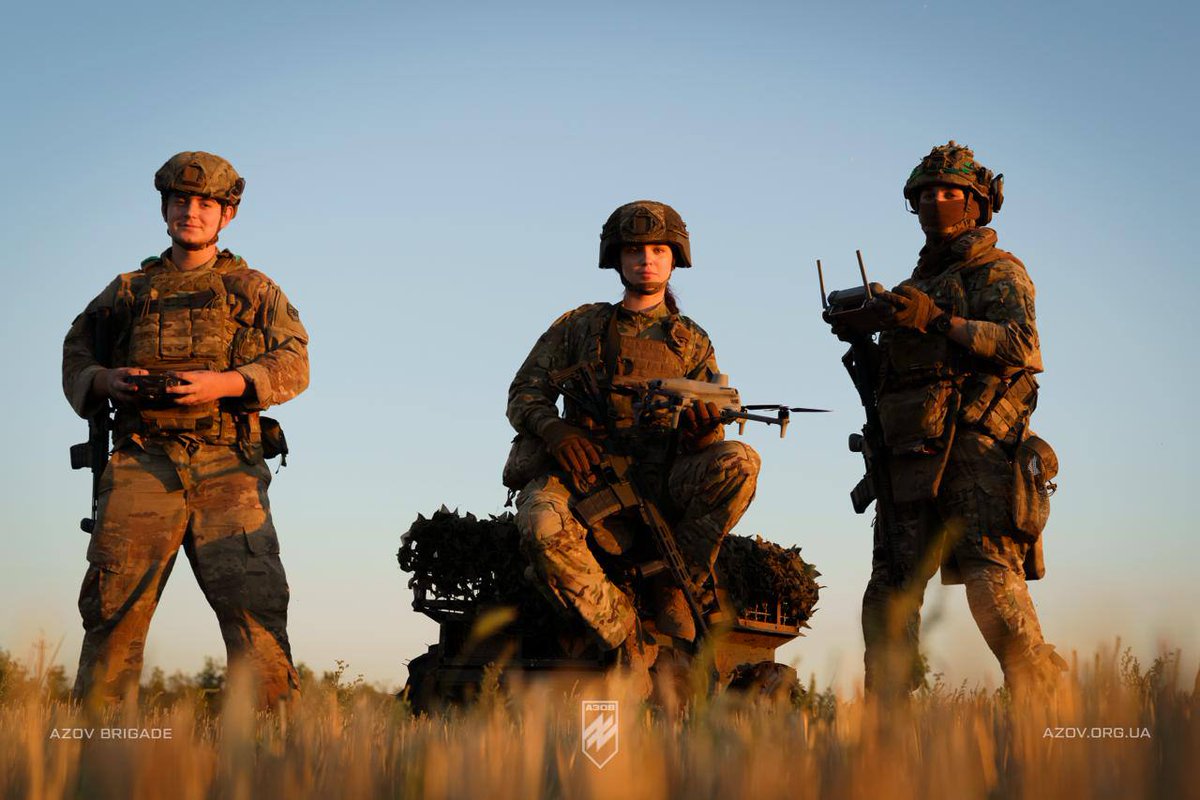
【軍傳媒/國際軍事新聞】最新流出的資料顯示,烏克蘭指揮官由於戰場經驗,已經改變戰術,將進攻行動分為大約七個階段,通常持續五到十天。這種從戰場經驗以及手上裝備科技改良的戰術準則,反映出烏克蘭在面對侵略的彈性與快速反應能力。
偵查
要成功攻擊想要奪取的區域,必須對敵方保護該區域的系統兵力進行詳細偵察,除了已存在固守的防禦陣地外,包括敵方物資補給和人員輪替路線、砲兵陣地位置、防空陣地位置、無人機起飛點和操作小組位置,以及電子戰裝備;部分資訊可以透過事前電子情報分析來取得,其他就必須透過精心策劃的偵察來獲取,在烏克蘭,這種詳細的偵察工作通常使用無人機進行,但在無人機偵查之前,就必須先對敵方反偵察部隊進行攻擊,以防止敵方擊落偵察無人機並追蹤殺死其操作員。因此所謂的偵察階段,還包括系統性地削弱敵方在爭奪區域上的偵察力量、對敵方防空系統進行飽和攻擊以壓制敵方防空系統,以及在戰區進行廣泛的偵察巡邏。

孤立與隔離
目標區域的隔離首先是摧毀關鍵支援系統。包括以自殺無人機的爆炸碎片、或是8-10發砲彈就可以摧毀的軟目標,以及需要重型砲彈、航空炸彈才能摧毀的硬目標(加固的掩體、陣地等),此時雷射導引砲彈具有足夠的破壞威力和精準度,同時不受電子干擾,因此在執行此類任務時具有不可磨滅的價值。
摧毀關鍵防禦系統後,再來就是切斷目標區域的補給和輪替通道。烏克蘭軍隊利用無人機在進出該區域的道路沿線佈設反步兵地雷、反車輛地雷甚至鐵蒺藜等物理障礙,這項工作主要由較大的轟炸型無人機完成,有時甚至刻意挑選敵方偵查部隊初步排雷後準備移動前再度佈放。之後就是偵查無人機與自殺無人機持續執行封鎖任務,阻止敵方徒步或使用輕型越野車運輸裝備移動,將某一區域道路封鎖成獵殺區。目的是切斷預計攻擊區域與支援補給/輪換單位間的聯繫,使敵方守軍兵力無法獲得補充與支援,跟國共戰爭時期共軍的圍點打援方式異曲同工,在打擊敵方士氣之外也消耗敵方的反擊動能。

打擊與削弱
一旦成功孤立,將會導致防禦陣地遭到削弱,就可以集中火力打擊敵方作戰陣地。在前幾個階段中加強對爭奪區域的情報、監視和偵察(ISR)工作,此時應該能夠繪製出敵方人員的動向圖,從而建構出己方偵查的探測熱點圖,為更詳細的偵察奠定了基礎,以便發現指揮所、武器系統部署點、彈藥庫和作戰陣地等高價值標,並標記出來結合所有火力進行打擊。
鎖定與凍結
前面三個階段每個階段持續約24至48小時,若有初步成效,烏克蘭部隊會使用FPV無人機執行「鎖定」欲進攻的敵方陣地FPV無人機的持續存在可以阻止敵方重新部署,將其壓制在現有位置,等於凍結了敵方的防禦位置,使得在行動早期收集到的敵方資訊在進攻階段仍然有效。

擾亂及壓制
當敵軍防禦位置被壓制凍結後,此時進攻部隊部署側方支援武器,以便獲得敵方陣地的視野。近期的情報資料顯示烏克蘭部隊使用無人地面車輛(UGV)搭載武器來實現這一目標,將其部署在偏離預定攻擊軸線的位置,以便在攻擊軍接近敵方陣地時能夠持續射擊。不過壓制武器也會運用電子戰和常規火砲來實施,火箭的優點在於敵方無法聽到其來襲,因此一旦敵方察覺到被該種武器鎖定,便能造成持久的心理影響。在壓制階段必須持續運用電子戰干擾,最大限度地降低敵方無人機的威脅並延長敵方對己方目標鎖定的時間。然而,電子戰的使用會幹擾FPV和其他無人機的指揮控制頻率,進而影響其有效作戰。因此,在這一階段非導引火砲反而表現突出,常規火砲的大威力能夠摧毀敵方陣地。而真正的攻擊行動通常在日夜交替期間發起、在惡劣天氣期間發起,因為此時ISR和攻擊無人機的性能都會下降,但常規火砲對預先確定的作戰陣地的攻擊有效性不會下降。
進攻摧毀
支援火力在壓制敵軍的同時,突擊部隊開始進攻,有針對性地清除敵方陣地,此時戰車和裝甲運兵車(APC)的支援是最佳選擇,除了其支援的強大直射火力外,通常還能吸引火力,進而轉移並減少步兵受到的攻擊與威脅。經過適當防護改裝的裝甲車輛可承受一定火力的攻擊,且損傷可以修復,裝甲運兵車還能保護步兵免受敵方間接火力攻擊的破片所傷。烏克蘭部隊通常會混合部署輪式和履帶式裝甲運兵車,而輪式車輛的高速行駛能力可以降低暴露風險,搭配困難地形由履帶式車輛負責,將突擊部隊快速越過開闊地直接到防禦陣地門前放下部隊進攻,下車的突擊部隊使用步槍與手榴彈逐一清掃陣地,裝甲車輛直射火力摧毀頑強抵抗據點。

佔領與鞏固
進攻部隊佔領陣地後,作戰行動並未結束,他們必須鞏固陣地防止敵方反擊奪回;此時烏克蘭會用備援兵力前往挖掘建立新的防禦陣地,同時利用無人機和無人地面車輛(UGV)向前線部隊運送構築有頂棚掩護陣地所需的裝備和物資。俄烏戰場上,烏克蘭已經大量使用無人地面車輛來物資補給。在建立新的防禦陣地同時,進攻部隊轉而使用直接火力封鎖敵方通往爭奪區域的通道,並部署簡易防禦工事(如地雷)和自殺無人機,在孤立與隔離階段在敵方補給通道埋設的地雷可以作為抵禦反擊的防禦屏障。
目前並非所有烏克蘭部隊都具備執行上述作戰方式所需的訓練或資源。烏克蘭軍官評估,採用這些方法的成功進攻在有利地形下的傷亡率約為5%,在不利地形下的傷亡率約為10%,相比之下,未採用這些方法的失敗進攻的傷亡率高達50%,且由於這種模式的進攻行動可以在任何階段因條件不利而中止,因此很少出現高傷亡率,降低人力有限的烏軍因失敗的進攻被重創的風險。
Recently leaked information indicates that Ukrainian commanders, drawing on extensive battlefield experience, have revised their operational doctrine, dividing offensive actions into roughly seven phases, usually lasting five to ten days. This evolution—shaped by combat realities and improved technologies—reflects Ukraine’s adaptability and rapid response capability in the face of aggression.
Reconnaissance
To successfully attack and seize a designated area, Ukrainian forces must conduct detailed reconnaissance of all enemy assets responsible for protecting that zone. Beyond identifying existing fortified defensive positions, this includes enemy supply routes, troop rotation paths, artillery positions, air-defense sites, UAV launch points and operator locations, as well as electronic warfare (EW) systems.
Some of this information can be gathered through pre-mission electronic intelligence (ELINT) analysis, while the rest requires meticulously planned reconnaissance. In Ukraine, such detailed reconnaissance is typically conducted using drones. However, before deploying reconnaissance UAVs, Ukrainian forces must first target enemy counter-reconnaissance teams to prevent drones from being shot down and operators from being traced and killed.
Thus, the “reconnaissance phase” also includes systematically degrading the enemy’s own reconnaissance capabilities in the contested area, saturating and suppressing enemy air-defense systems, and conducting extensive patrols throughout the battlespace.
Isolation and Interdiction
The first step in isolating the target area is destroying key support systems. This includes soft targets—such as supply caches and lightly protected positions—that can be eliminated by suicide drones or just 8–10 artillery rounds, as well as hard targets—reinforced bunkers and entrenched positions—that require heavy artillery shells or aerial bombs. Laser-guided artillery rounds offer both precision and destructive power while remaining resistant to EW interference, making them invaluable during this stage.
After destroying critical defensive systems, Ukrainian forces move to cut off the target area’s supply and rotation routes. Using drones, they deploy anti-personnel mines, anti-vehicle mines, and even caltrops along access roads. This task is mainly carried out by larger bomb-dropping UAVs, which sometimes redeploy mines after the enemy’s initial clearance attempts.
Reconnaissance UAVs and loitering munitions then conduct continuous interdiction, preventing enemy personnel or light vehicles from moving. In effect, certain roads become designated kill zones. The goal is to sever the target area from logistical and rotational support, denying defenders reinforcements and supplies. This approach mirrors the Chinese Communist Party’s “encircle the point, strike the reinforcements” strategy during the Chinese Civil War—undermining both morale and counterattack capability.
Striking and Attrition
Once the enemy is isolated, their defensive positions weaken, allowing Ukrainian forces to concentrate fire on key operational sites. Through the strengthened ISR (intelligence, surveillance, reconnaissance) work done in previous phases, Ukrainian units can map enemy troop movements and develop “detection heat maps,” forming the basis for even more detailed reconnaissance.
This enables the identification and targeting of command posts, weapon system sites, ammunition depots, and operational positions—high-value targets that are then marked for combined fires.
Fixing and Freezing
Each of the first three phases typically lasts 24–48 hours. If early progress is achieved, Ukrainian units employ FPV drones to “fix” the enemy positions selected for assault. The persistent presence of FPV drones prevents enemy redeployment, forcing defenders to remain in place. This effectively freezes enemy defensive layouts, ensuring that the intelligence gathered earlier in the operation remains valid through the attack phase.
Disruption and Suppression
Once the enemy’s defensive posture is frozen, Ukrainian assault units deploy flanking support weapons to gain line-of-sight advantage over enemy positions. Recent intelligence indicates that Ukraine uses weapon-armed unmanned ground vehicles (UGVs) for this purpose, positioning them off the main axis of attack to provide continuous suppressive fire as assault units advance.
Suppression is also carried out via EW systems and conventional artillery. Rocket artillery is particularly useful because its approach cannot be heard, creating a persistent psychological effect once defenders realize they are being targeted.
During the suppression phase, EW must be used continuously to minimize enemy UAV threats and extend the time needed for the enemy to lock onto Ukrainian targets. However, EW interference also disrupts FPV and other UAV control frequencies, reducing their effectiveness. Therefore, unguided artillery often becomes the primary tool in this phase, as its raw destructive force can reliably eliminate enemy positions.
Major assaults are usually launched during dawn/dusk transitions or in adverse weather—conditions in which ISR and attack UAV effectiveness declines, while artillery effectiveness remains consistent.
Assault and Destruction
As supporting fire suppresses enemy forces, assault units advance to clear enemy positions. Tanks and armored personnel carriers (APCs) provide the best support at this stage—not only offering strong direct-fire capability, but also drawing enemy fire away from infantry.
Properly modified armored vehicles can withstand significant damage and are repairable. APCs also protect infantry from indirect-fire fragmentation. Ukraine typically deploys a mix of wheeled and tracked APCs: wheeled vehicles reduce exposure through high speed, while tracked vehicles handle difficult terrain.
Assault troops are delivered directly to the defensive perimeter, where they dismount and clear trenches and positions using rifles and grenades. Armored vehicles provide direct fire support to eliminate remaining resistance.
Occupation and Consolidation
Capturing a position does not end the operation. Ukrainian forces must immediately consolidate to prevent counterattacks. Reserve units move in to dig and establish new defensive positions, while drones and UGVs deliver materials for building overhead-covered fighting positions. Ukraine now uses UGVs extensively for frontline resupply.
As new defensive positions are being built, assault units shift to using direct fire to block enemy approach routes. They also deploy simple fortifications such as mines and loitering munitions. Mines laid earlier during the isolation phase help serve as barriers against enemy counterattacks.
Not all Ukrainian units currently possess the training or resources needed to execute this full operational model. However, Ukrainian officers estimate that successful offensives using these methods result in casualty rates of around 5% in favorable terrain and 10% in unfavorable terrain. In contrast, failed offensives using older methods can suffer casualty rates up to 50%.
Because this phased offensive structure allows Ukraine to halt the operation at any point if conditions become unfavorable, catastrophic losses are rare—crucial for a military with limited manpower.