

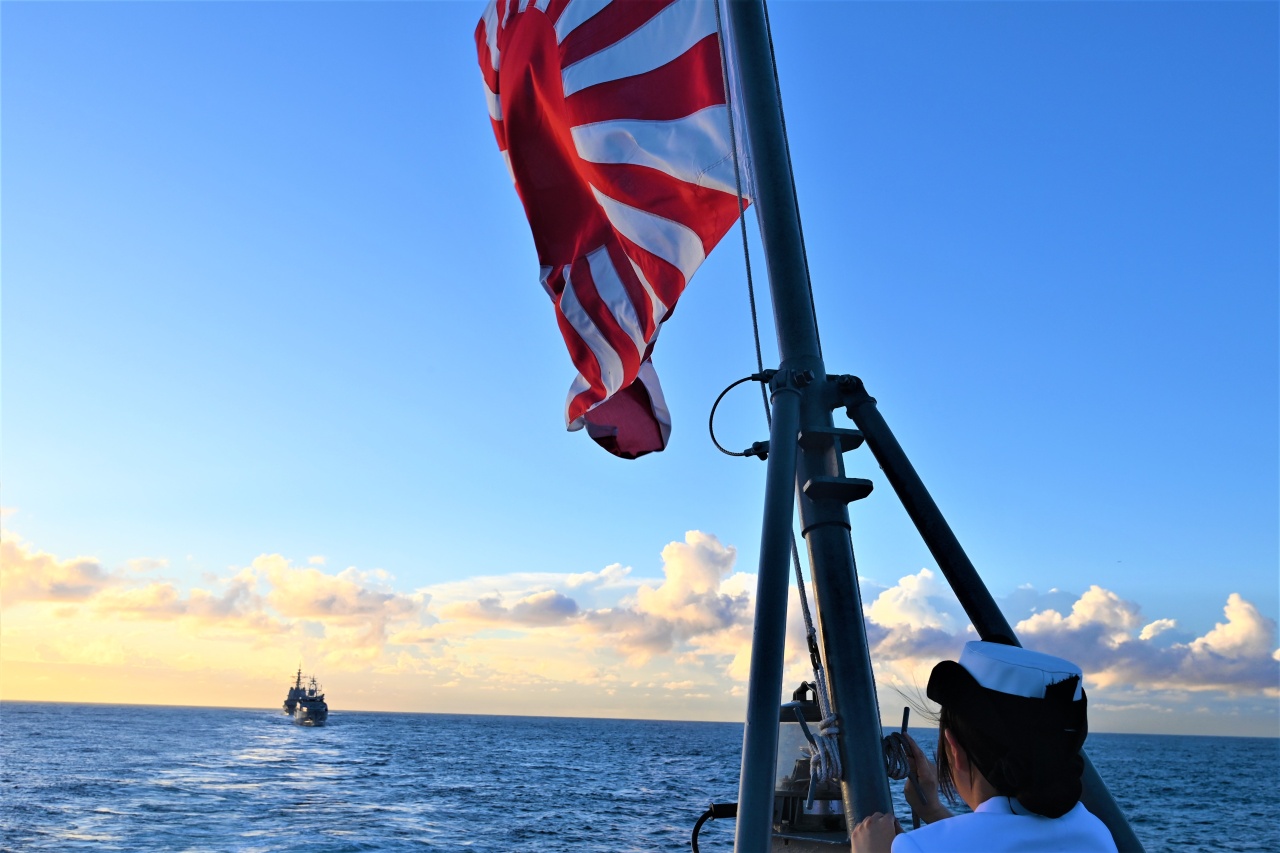
【軍傳媒/國際軍事新聞】日本於2026年再度調整防衛裝備出口制度,被外界視為戰後數十年來最具象徵性的安全政策國防三原則大轉折,表面上是出口規範鬆綁,實質上卻代表日本國家戰略角色的改變——從過去以「限制輸出、專注自衛」為核心的安全思維,逐步邁向「具備區域支援能力、參與盟友供應鏈、塑造印太平衡」的新定位。
對東亞而言,這不只是日本內政問題,而是可能牽動第一島鏈軍事協作、台海局勢、南海防衛部署,以及中國對周邊戰略壓力調整的重要變數。對台灣而言,日本政策變動更可能開啟另一層次的合作模式,使雙方關係從經貿與民間互動,進一步朝向戰略韌性與安全協作深化。
日本安全政策的歷史轉折點
日本戰後長期受和平憲法與社會氛圍影響,對武器出口採取高度限制政策。多年來,日本雖擁有先進軍工技術與製造能力,但實際上極少參與全球防衛裝備市場,也鮮少將軍工產能作為外交工具使用。
2014年,日本以「防衛裝備移轉三原則」取代過往嚴格禁令,開始允許在特定條件下輸出裝備與技術。此後歷經多次修正,至2023年與2024年已逐步放寬規範,允許部分共同研發裝備對第三國出口。到了2026年,日本進一步擴大可審查範圍,讓軍艦、飛彈與更多高敏感裝備進入政策討論與審查機制。
隨著高市早苗政府「台海有事,日本無法置身事外」言論開始,到4月份的出口放寬,顯示日本政府已不再把軍備出口視為禁忌議題,而是納入國家安全與產業戰略的一環。
日本此舉背後有三項核心考量:第一,美中競爭加劇,印太安全環境惡化,加上美伊戰爭後從東亞抽調軍力,暴露美國對盟友的承諾並不可靠,要面對威脅只能自行加強區域安全力量;第二,俄烏戰爭證明國防工業產能與供應鏈韌性的重要性,依靠外援隨時有可能被牽制;第三,由於日本本土需求有限,若無外部市場支撐,國內防衛產業將難以維持規模經濟與不斷提高技術競爭力。

第一島鏈軍事合作進入新階段
日本政策調整後,最直接影響將出現在第一島鏈與周邊友盟國家。過去東亞安全架構多半依賴美軍提供核心戰力,日本、菲律賓、澳洲等國則以基地支援、區域合作或有限軍購方式參與。美伊戰爭暴露美軍無法應付多地衝突,美伊戰爭導致美軍從韓國日本抽調駐軍裝備支援中東就可看出,東亞並非美軍最優先順位,但未來若日本能穩定輸出巡防艦、雷達系統、防空裝備、無人載具或飛彈技術,區域盟友將有更多來源可補強自身防衛能力,如同東亞版的小北約模式,區域中型國家聯合對抗軍事大國。
以菲律賓為例,近年面對南海壓力持續升高,已積極與日本深化軍事合作。日本未來向菲律賓輸出退役護衛艦、巡邏艦、海上監視艦艇,甚至搭配雷達、指管系統、海上監控系統、岸置飛彈與後勤支援,菲律賓海上防衛能力將明顯提升。過去菲律賓在第二托馬斯礁、仁愛礁、黃岩島等爭議區域,常面臨艦艇老舊、航程有限、噸位不足與全天候值勤能力偏弱的問題。若日本提供中型以上艦艇,菲律賓可維持更長時間巡弋、增加補給護航能力,並降低遭單方面驅離的機率。
中國近年在南海常使用海警船、海上民兵與大型執法船,以低於戰爭門檻方式施壓周邊國家,若菲律賓新艦艇能輪替部署,中國將難以利用「對方自然撤離」取得實質控制,這也代表中國在灰色地帶施壓成本將大幅提高。同樣地,除了菲律賓之外,日本與澳洲、越南、印尼等國的合作若同步擴大,將使中國在西太平洋與南海面臨更複雜的戰略環境,南海可能出現更頻繁的聯合巡航、共同演訓、情報共享與海域監控合作。中國若對單一國家施壓,實際上可能面對的是多國資訊支援體系,這種「小型聯合安全網」雖非正式軍事同盟,卻足以改變南海力量平衡,同時南海問題將可能不再只是中菲雙邊爭議,而是納入更完整的區域安全網絡中。
中國將重新評估日本角色
北京長期將日本視為美國亞太同盟體系的重要節點,但仍認為日本在軍事政策上存在歷史與制度限制。然而隨著日本逐步擴張防衛預算、強化反擊能力、部署西南諸島防線,再加上如今推進軍備出口政策,中國勢必重新評估日本角色。
對中國而言,日本若只是提升自衛能力,仍屬可控範圍;但若日本開始支援周邊國家軍備建設,甚至協助建立區域共同防禦網絡,則其影響將遠超過單一國家軍力增長。
為了反制日本,未來中國可能採取加強東海與沖繩周邊軍事存在,加大對日本施壓力道,同時提升對台海周邊行動頻率,測試日美協調能力,並長期消耗台灣的戰備能力。再來藉著川普政府自我為中心的退出機會,加大對東協國家的拉攏,例如在這次美伊戰爭造成的能源危機中,以經貿與外交手段拉攏東協國家,降低日本影響力。這也意味東亞安全競爭將更具體系化白熱化,而非單純軍艦與戰機數量比較。


台灣與日本合作可能將出現質變
對台灣而言,日本政策鬆綁未必立即代表可直接向日本採購大量武器,但卻可能帶來更深層且實際的合作機會,這也是台灣引頸期盼的轉機。過往由於相關限制,不論是在技術轉移或是實際的軍事採購,台灣完全受限美國。隨著台日友好氛圍提升,加上台灣在半導體、電子零組件、通訊設備與無人系統供應鏈具備高度優勢,日本則在材料、精密製造、感測器與系統整合能力突出。若雙方在安全供應鏈架構下合作,對無人機、電子戰、雷達、指管通訊等領域皆具潛力,雙方在科技與軍民兩用產業合作指日可期。
再來是海上安全與灰色地帶應處合作,由於日本西南諸島與台灣東北海域戰略位置緊密相連,面對海警船、海上民兵、海纜風險與海上救援需求,雙方未來平時在海巡、情報共享、災防演訓、海域監測、甚至漁業協調合作等面向具高度合作空間,等互操作性提升後,戰時在聯合防禦、區域安全等則可加大力道,共同抵禦中國威脅。
俄烏戰爭已證明現代衝突不只比軍力,也比交通備援、能源儲備、民間通訊與基礎設施恢復能力。日本由於天然災害頻繁,在防災體系與地方動員經驗豐富,台灣則面臨高強度灰色地帶威脅,雙方若能交流制度與演練經驗,在社會韌性與後勤體系上分享經驗互相合作,將比單純軍售更具長期價值。
東亞進入戰略重組時代
儘管可能的合作空間擴大,但日本政策轉向只是開端,由於日本仍需考量國內政治氛圍、對中經貿關係與區域外交平衡,為避免過度刺激中國,短期內台日安全合作仍將維持低調、務實、功能導向模式。雙方最可能優先推進的,不會是高調軍事協定,而是技術交流、產業合作,但在海上執法合作與危機應變機制上可能逐漸放寬交流項目。
日本修改防衛裝備出口規定,象徵東亞安全架構已進入新階段。日本不再只是被動防禦者,而逐步成為區域安全供應者與戰略支柱之一。對台灣而言,台日是否能在供應鏈、海洋安全、科技整合與社會韌性層面形成長期互補關係,將能大幅提升台灣的防衛韌性,若能建立更穩固的盟友網絡、更持久的產業支撐,台灣將能迎來更高韌性的戰略體系。改變,從微小細節開始。

Japan Eases Arms Export Restrictions as East Asia’s Security Landscape Enters a Period of Realignment
Japan’s renewed adjustment of its defense equipment export system in 2026 is widely seen as the most symbolic shift in its postwar security policy in decades. On the surface, it appears to be a relaxation of export controls. In reality, it reflects a deeper transformation of Japan’s national strategic role—from a country centered on restricting arms exports and focusing solely on self-defense, toward one capable of supporting regional partners, participating in allied supply chains, and helping shape the balance of power in the Indo-Pacific.
For East Asia, this is not merely a domestic Japanese policy matter. It could influence military cooperation along the First Island Chain, cross-strait stability, South China Sea defense planning, and China’s regional strategic calculations. For Taiwan, Japan’s policy shift may also create new avenues of cooperation, allowing bilateral ties to evolve beyond trade and civil exchanges into strategic resilience and security coordination.
A Historical Turning Point in Japanese Security Policy
Since World War II, Japan’s security policy was constrained by its pacifist constitution and domestic political culture. Although Japan retained advanced industrial and defense technology capabilities, it rarely participated in the global arms market and seldom used defense production as a diplomatic tool.
In 2014, Japan replaced its previous strict ban with the “Three Principles on Transfer of Defense Equipment and Technology,” allowing exports under limited conditions. Subsequent revisions in 2023 and 2024 gradually expanded the framework, including exports of jointly developed systems to third countries. By 2026, Tokyo further widened the categories eligible for review, bringing warships, missiles, and other sensitive systems into formal policy discussion.
This change demonstrates that Japan no longer treats defense exports as a taboo subject, but as part of national security and industrial strategy.
Three core factors drive this shift. First, intensifying U.S.-China competition and worsening Indo-Pacific security conditions have raised doubts about relying entirely on American commitments. Second, the Russia-Ukraine war proved that industrial capacity and resilient defense supply chains are decisive in prolonged conflict. Third, Japan’s domestic demand alone is insufficient to sustain economies of scale or technological competitiveness in its defense sector.
A New Phase of First Island Chain Cooperation
The most immediate effects of Japan’s policy shift will be seen among countries along the First Island Chain. For decades, East Asia’s security structure depended heavily on U.S. military power, while allies such as Japan, the Philippines, and Australia played supporting roles. However, recent global crises have shown that the United States cannot be everywhere at once.
If Japan can reliably export patrol vessels, radar systems, air defense equipment, unmanned systems, or missile technologies, regional partners will gain additional sources of capability. This would resemble a smaller NATO-like model in East Asia, where medium powers collectively strengthen deterrence against a larger military power.
The Philippines is a clear example. Facing growing pressure in the South China Sea, Manila has deepened defense ties with Tokyo. If Japan transfers retired destroyers, patrol ships, surveillance systems, coastal missiles, or logistics support, Philippine maritime capabilities would improve substantially. This would help Manila maintain longer patrols, escort supply missions, and resist unilateral coercion around contested areas such as Second Thomas Shoal and Scarborough Shoal.
China has often relied on coast guard vessels, maritime militia, and law-enforcement ships to pressure neighbors below the threshold of war. If Philippine forces possess stronger and more sustainable maritime assets, such gray-zone tactics become more costly and less effective.
If Japan simultaneously expands cooperation with Australia, Vietnam, Indonesia, and others, China would face a far more complex strategic environment in both the Western Pacific and South China Sea. Intelligence sharing, joint patrols, exercises, and maritime monitoring would likely increase.
China Will Reassess Japan’s Role
Beijing has long regarded Japan as an important node in the U.S. alliance network, but one constrained by historical and institutional limitations. That assumption is changing.
Japan has expanded defense spending, strengthened counterstrike capabilities, fortified the Ryukyu island chain, and now advanced defense export policy. For China, a Japan focused only on homeland defense is manageable. A Japan that actively strengthens regional military capacity is something else entirely.
In response, China may increase military activity in the East China Sea and around Okinawa, intensify pressure near Taiwan, and test U.S.-Japan coordination. It may also deepen economic and diplomatic engagement with ASEAN states to offset Japan’s growing influence.
This suggests East Asian competition will become increasingly systemic—not merely a comparison of ships and aircraft, but of networks, supply chains, partnerships, and resilience.
Taiwan-Japan Cooperation Could Deepen
For Taiwan, Japan’s policy shift may not immediately mean direct arms purchases, but it opens the door to more practical cooperation.
Taiwan has strengths in semiconductors, electronics, communications equipment, and unmanned system supply chains. Japan excels in materials science, precision manufacturing, sensors, and systems integration. Under a trusted security supply chain framework, cooperation in drones, electronic warfare, radar, command systems, and dual-use technologies holds significant promise.
Maritime security is another area. Japan’s southwestern islands and Taiwan’s northeastern waters are strategically connected. Shared concerns include coast guard pressure, maritime militia activity, undersea cable security, search-and-rescue coordination, and domain awareness. Quiet cooperation in these areas could expand over time.
The Ukraine war has also shown that resilience matters as much as military strength. Japan’s disaster preparedness experience and Taiwan’s gray-zone defense experience could complement each other in civil defense, infrastructure recovery, and emergency logistics.
East Asia Enters an Era of Strategic Reorganization
Japan’s policy shift is only the beginning. Tokyo must still balance domestic opinion, economic ties with China, and regional diplomacy. For that reason, short-term Taiwan-Japan security cooperation will likely remain low-profile, practical, and function-oriented rather than highly publicized.
The most likely early areas of progress are technology exchange, industrial collaboration, maritime law-enforcement cooperation, and crisis response mechanisms.
Japan’s revised defense export rules symbolize a new stage in East Asia’s security architecture. Japan is no longer only a passive defender—it is gradually becoming a regional security provider and strategic pillar.
For Taiwan, building long-term complementarity with Japan in supply chains, maritime security, technology integration, and resilience could significantly strengthen national defense endurance. Stronger networks, stronger industries, and stronger partnerships can create a more durable strategic future.
Change often begins with small details.