

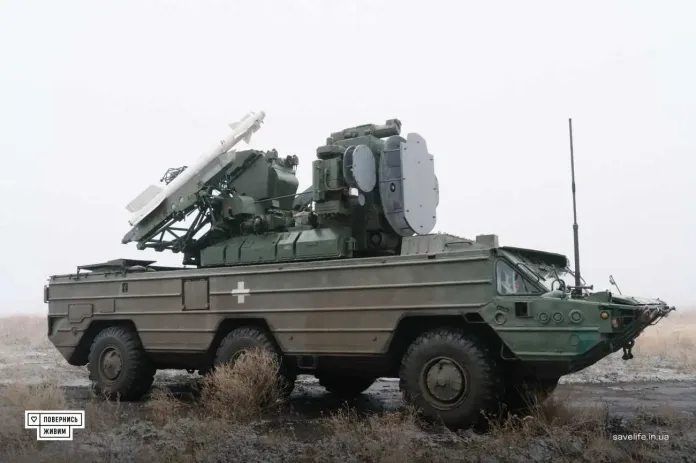
【軍傳媒/國際軍事新聞】將視角轉向台灣,烏克蘭成功的FrankenSAM經驗,並非要台灣複製拼裝模式,但卻也提供一套戰時防空思維的重構思考方向。台灣的防空體系整體水準並不低,防空密度也足夠,但其核心風險在於:高端防空系統的彈藥消耗速度,是否能支撐高強度、長時間攻擊,以及是否有能力補充?
烏克蘭經驗顯示,真正決定防空韌性的,往往不是系統性能,而是是否有足夠的「第二、第三層防空火力」來分流威脅,目前的防空系統仍處於各自為戰的模式,國軍引進IBCS系統就是為了整合,台灣沒有像烏克蘭有許多舊式俄系裝備,美國不可能開放軟體原始碼供台灣整合自己的載台(我們也沒有)。台灣真正需要的是分層防空的制度化設計,同時建立「防空耗材」的觀念,也就是不追求單一飛彈的極致性能、追求可量產、可替換、可快速整合,專門對付低成本、高數量的目標,若台灣未來面對的是高密度遠程火箭、無人機與巡弋飛彈混合攻擊,那麼單靠高階防空系統,將極不經濟且容易出現數量被耗盡的情形。

系統整合能力是台灣缺乏的戰力
FrankenSAM計畫的真正價值,不在於某一型改裝武器,而在於跨系統整合能力已被視為作戰能力的一部分,中科院的飛彈研發製造能力有一定水準,但在系統整合能力上就仍力有未逮,中科院自研飛彈只能在IDF上使用,證明台灣仍處處受制於美國不願意開放原始碼,藉此卡住台灣自製武器的功能提升,元旦墜海的F-16證明台灣連戰機本身系統都整合不完全,更不要說跨平台。台灣要想突破,就必須真正花人力財力投入相關領域,甚至與美國以外的國家合作引繼技術或共同開發等,在平時就建立軟體與介面層的彈性,不管是雷達、指管、射控的開放性設計,設計之初就規劃非自身系統的相容性,這不是臨戰才做的事情,而是平時就必須內建於體系中的能力。
允許不完美方案及容錯發生
FrankenSAM能成立,還有一個容易被忽略的因素,也就是烏克蘭在戰時因應需要,制度上允許「不完美但可用」的方案上線。這對台灣尤其是隱性的關鍵。國軍在任何採購、測評與部署流程,只允許「100%符合制式規範」的裝備,很多裝備都未曾公開驗收測試,例如被基層批評效用低下的干擾槍,常有無法有效干擾的情況,國軍的思維是只要不公開測試,沒有辦法證實無效就是有效的,這種心態一但真正真正開戰會產生極大的劣勢,甚至在承平時期影響國軍基層人員對自身武器裝備的信心,就如之前的抗彈板之亂一樣,是最好的負面範例。
FrankenSAM防空網並不是單獨某種能改變勝敗的神奇武器,而是一面鏡子,映照出現代戰爭是消耗戰、國土防空是長期對抗,不是單次攔截,對烏克蘭而言,FrankenSAM防空網是在資源受限下撐住防空的關鍵補丁,對世界而言,烏克蘭三年來在壓力下仍能讓體系持續運作的能力,同時不斷地創新打擊對手增強自身,這才是現代防衛韌性的核心。

Implications for Taiwan
From Taiwan’s perspective, FrankenSAM does not suggest copying Ukraine’s improvisation, but it does highlight structural vulnerabilities. Taiwan’s air defense quality and density are strong, yet the key risk lies in whether high-end interceptor inventories can sustain prolonged, high-intensity attacks.
Ukraine’s experience shows that air defense resilience depends less on peak system performance than on layered depth and sustainability. Taiwan lacks Ukraine’s legacy Soviet systems, and U.S. source code restrictions limit indigenous integration. What Taiwan truly needs is an institutionalized layered air defense design and the adoption of air defense “consumables”: missiles that are affordable, mass-producible, replaceable, and rapidly integrable.
System Integration as a Combat Capability
The true value of FrankenSAM lies in treating cross-system integration as a form of combat power. While Taiwan’s missile development capabilities are solid, its system integration capacity remains limited. Indigenous missiles are confined to specific platforms, reflecting continued dependence on foreign software control.
Addressing this gap requires sustained investment in software, interfaces, and open-architecture design, ideally including cooperation beyond the United States. Such integration capacity must be built in peacetime, not improvised in war.
Accepting “Imperfect but Usable” Solutions
Another critical factor behind FrankenSAM’s success is Ukraine’s institutional willingness to deploy solutions that are imperfect but operationally viable. Taiwan’s procurement culture, which emphasizes full compliance and limited transparency, risks delaying usable capabilities and eroding frontline confidence in wartime.
Conclusion
FrankenSAM is not a war-winning weapon, but a reflection of modern warfare’s realities: attrition, prolonged air defense, and the need for sustained interception. For Ukraine, it has been a crucial stopgap under severe constraints. For others, it demonstrates that true defense resilience lies in adaptability, integration, and endurance rather than technological perfection alone.