

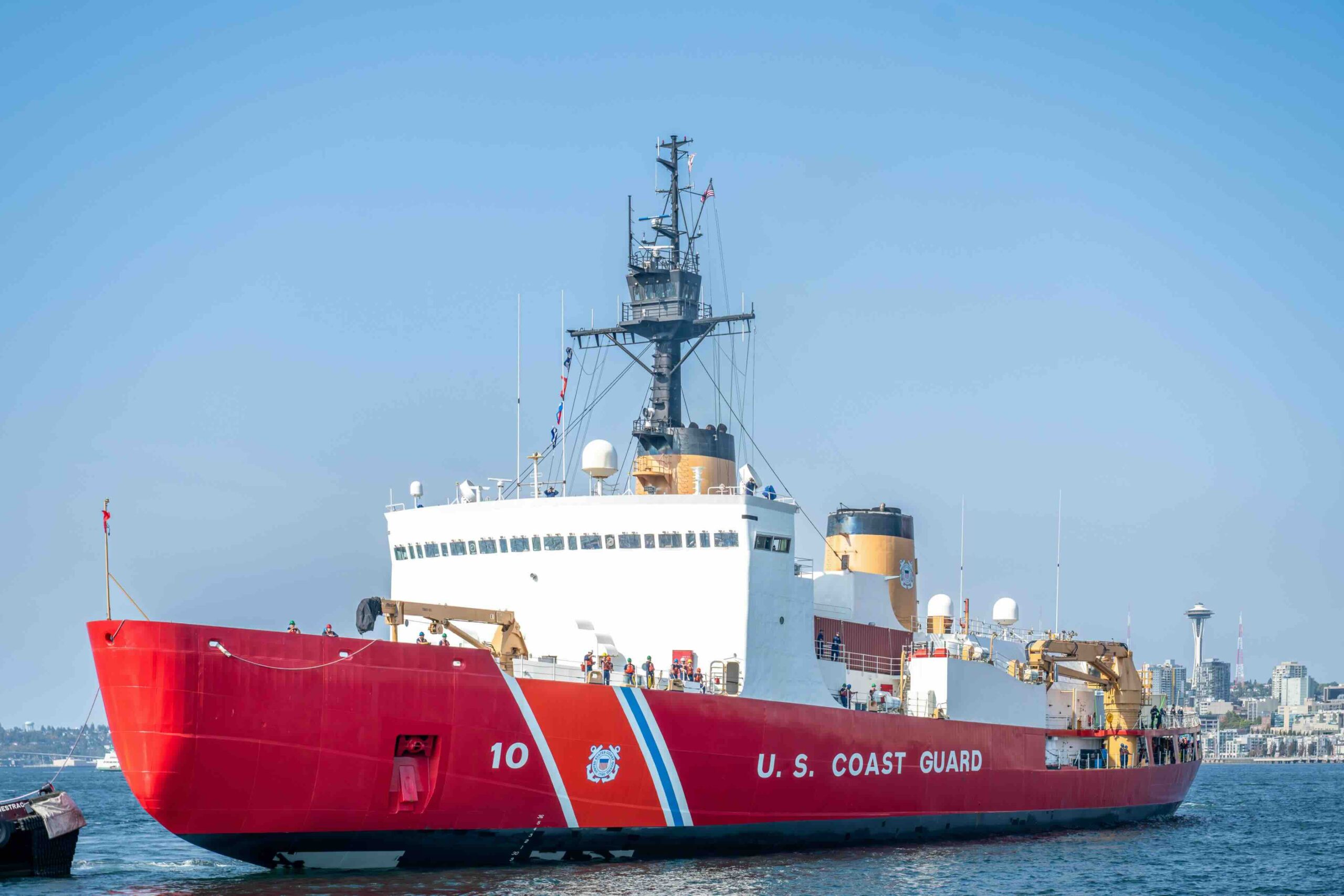
【軍傳媒/國際軍事新聞】在全球海上安全環境快速變動之際,美國海岸防衛隊(USCG)正從傳統執法與搜救機構,逐步轉型為具備準軍事作戰能力的多功能海上力量。《Force Design 2028》計畫標誌著這一轉型進入制度化階段,其核心不僅在於裝備更新,更在於組織、科技與作戰概念的全面重塑。
根據文件內容,這項轉型計畫伴隨史上最大規模的資本投入,總額達245億美元,用於更新艦艇、航空器與資訊系統,並強化邊境與海上通道的控制能力 。這顯示海岸防衛隊的角色已不再局限於國內安全,而是逐步融入美國整體海權與國家安全架構。

組織與兵力重構
《Force Design 2028》最顯著的變革之一,在於組織層級的再設計。海岸防衛隊將透過精簡總部、下放決策權,提升整體行動效率,並建立更具彈性的指揮架構 。同時,計畫明確提出兵力擴張目標,預計至2028年前增加至少15,000名人員,以應對日益複雜的海上任務與新型威脅。這種規模的擴編,對於一支長期面臨人力不足的部隊而言,具有戰略意義。
文件在組織改革中特別納入「機器人與自主系統」(RAS)作為獨立發展領域,並設立專責單位統籌。這意味著無人系統不再是輔助能力,而是未來戰力建構的核心組成。
此外,強化網路與太空領域能力亦被列為重點,顯示海岸防衛隊正從傳統海上執法單位,轉型為具備跨領域作戰能力的複合型力量。

無人載具的威脅與反制
在科技發展方面,計畫明確指出海岸防衛隊將以「人機協同」為未來作戰核心,並全面導入人工智慧、資料分析與自主系統 。其中幾個關鍵發展方向值得關注:
首先是無人系統的整合運用,文件中提出建立「Coastal Sentinel」系統,將指揮管制、情報監偵與無人載具整合,形成持續性的海域監控網絡。這類系統的戰略價值在於能以低成本維持高覆蓋率,特別適用於廣大海域與灰色地帶行動。
其次是AI與資料導向決策。海岸防衛隊計畫建立統一資料標準與AI平台,用於即時分析海上活動,提升執法與應變效率。這與近年美軍推動的「資料即戰力」概念高度一致。
在實際運用層面,美國海岸防衛隊已開始部署如Aerovel Flexrotor等垂直起降無人機,從巡邏艦上起降執行長時間監視任務,這類系統可顯著延伸艦艇的感測範圍,降低人員風險。
而隨著無人載具普及,美國海岸防衛隊面臨的威脅也同步升級,過往單純的緝毒房走私等執法任務已不再是全部,特別是在港口安全、關鍵基礎設施與海上交通線方面,小型無人機與無人艇已成為潛在風險來源。對此,美國的海岸防衛隊正逐步發展多層次反制能力,透過整合雷達、光電與AI辨識系統,提升對低空與水面小型目標的偵測能力。另一方面,導入電子戰與軟殺手段,例如干擾、欺騙或接管無人系統控制權,以降低實體攔截的成本與風險,由於這類技術已在美軍與國土安全體系中逐步成熟,未來勢必成為海岸防衛隊的標準配置。
而無人系統本身也被納入防衛架構。透過大量部署低成本無人載具,可形成分散式監控網絡,對抗高機動、低成本的威脅,這種「以無人制無人」的模式,將成為未來海上安全的重要趨勢。
整體而言,《Force Design 2028》反映出一個清晰趨勢:美國海岸防衛隊正從以往偏重執法與救援的角色,轉向兼具軍事、科技與戰略功能的海上力量。其轉型關鍵並不僅在於裝備更新,組織與決策模式的同步革新,使其能在高壓環境中快速反應、人力與專業能力的擴充,確保能操作新型技術、無人系統與AI的深度整合,建立持續監控與快速反應的能力。

台灣海巡署的反思
相較於美國海岸防衛隊在全球海權架構中的角色,台灣海巡署的任務環境更具高度壓力與即時性,面對來自中國持續性的灰色地帶行動,包括海警船常態化入侵、以漁船名義掩護灰色行動,以及無人載具潛在滲透,海巡署實際上是台灣的最前線處置單位。
美國海岸防衛隊在《Force Design 2028》所揭示的無人系統整合與指管架構重塑轉型方向,對台灣具有高度參考價值。首先,在海域監控層面,台灣目前仍高度依賴有人艦艇與岸基雷達,雖然已具備一定密度,但在面對低可視度、小型無人艇或商規無人機時,仍存在偵測盲區,日前台南小艇上岸沒被發現就是最好案例,雖然去年發生多起小艇入侵事件後,海巡署都強調已經建立相對應的偵測系統,但一次次的案例實際打臉,顯然宣傳大於實際能力。因此若能實際導入類似美方「Coastal Sentinel」概念,將無人機、無人艇與既有雷達、AIS、光電系統整合為一體化監控網絡,可大幅提升對灰色地帶行動的早期預警能力,「軍船沒」過網就大力提倡應該建立此能力,遺憾的是過了2年海巡署仍未能具備此能力。
在兵力運用上,無人載具可補足海巡署長期面臨的人力與巡邏能量不足問題。以中型巡防艦搭載垂直起降無人機為例,可將監控範圍由數十浬延伸至百浬以上,使單艦具備「擴展感測器」能力,減少高頻率出動對人員與裝備的消耗。對於台灣這類高密度、長時間對峙的海域環境而言,此種能力尤為關鍵。
另外在反制層面,台灣應正視無人威脅快速擴散的現實,未來無論是商規改裝無人機、無人艇,甚至低成本飽和式干擾手段,都可能成為灰色地帶衝突工具。海巡署若僅依賴傳統攔截或驅離方式,將面臨成本與效率失衡問題。因此提早發展電子干擾、訊號壓制與軟殺能力,並結合岸基與艦載系統形成多層防護,將是必要方向。
此外,指管與決策模式亦需同步調整。美國海岸防衛隊強調下放決策權與加速反應流程,對台灣同樣具有啟示。當前海巡署在面對突發海上事件時,若能進一步強化前線單位的即時處置權限,並結合數位化指管系統,將有助於在高壓對峙中取得反應速度優勢。
整體而言,美國海岸防衛隊的發展模式,在廣域監控、低成本防衛與不對稱作戰方面,已逐漸成為未來海上安全力量發展的重要樣本。而台灣海巡署的未來發展,不應僅著眼於艦艇數量或噸位提升,而應朝向「分散式感知+人機協同」的體系轉型。在灰色地帶衝突日益常態化的情勢下,誰能更早掌握海上態勢、以更低成本維持存在,誰就能在不升高衝突的前提下,取得實質優勢。

U.S. Coast Guard Blueprint for Unmanned and Digital Transformation
Amid rapidly evolving global maritime security dynamics, the United States Coast Guard (USCG) is transitioning from a traditional law enforcement and search-and-rescue agency into a multi-role maritime force with quasi-military capabilities. The Force Design 2028 initiative marks the institutionalization of this transformation, focusing not only on platform modernization but also on comprehensive changes in organization, technology, and operational concepts.
The plan is backed by an unprecedented $24.5 billion investment to upgrade vessels, aircraft, and information systems, while enhancing control over borders and maritime routes. This reflects a shift in the Coast Guard’s role—from domestic security toward integration within broader U.S. maritime power and national security strategy.
Organizational and Force Restructuring
A key element of Force Design 2028 is organizational redesign. The USCG aims to streamline headquarters, decentralize decision-making, and build a more agile command structure. The plan also calls for expanding personnel by at least 15,000 by 2028 to address increasingly complex missions and emerging threats—an important move for a force historically constrained by manpower shortages.
Notably, the initiative elevates “Robotics and Autonomous Systems” (RAS) into a dedicated development domain with specialized units, signaling that unmanned systems are no longer auxiliary tools but core components of future capability. In parallel, cyber and space domains are prioritized, underscoring a transition toward a multi-domain operational force.
Unmanned Systems and Countermeasures
Technologically, the USCG is moving toward “human-machine teaming” as a central operational concept, integrating artificial intelligence, data analytics, and autonomous systems. One major initiative is the “Coastal Sentinel” concept, which combines command and control, intelligence, surveillance, and unmanned platforms into a persistent maritime monitoring network. This approach enables wide-area coverage at lower cost, particularly suited for large maritime zones and gray-zone operations.
AI-driven decision-making is another pillar. By standardizing data and deploying unified AI platforms, the USCG aims to enhance real-time maritime awareness and operational responsiveness—aligning with the broader U.S. military concept of “data as a weapon system.”
Operationally, systems such as the Aerovel Flexrotor vertical takeoff UAV are already in use, enabling long-endurance surveillance from patrol vessels and significantly extending sensor reach while reducing risk to personnel.
However, the proliferation of unmanned systems also introduces new threats. Beyond traditional missions like counter-narcotics and smuggling, the USCG must now address risks posed by small drones and unmanned surface vessels targeting ports, infrastructure, and sea lanes. In response, the service is developing layered countermeasures, integrating radar, electro-optical sensors, and AI for improved detection of low-signature targets. Electronic warfare tools—such as jamming, spoofing, and system takeover—are being adopted to reduce reliance on costly physical interception.
At the same time, unmanned systems themselves are incorporated into defense architectures. Deploying large numbers of low-cost platforms enables distributed surveillance and counters asymmetric threats—an emerging “unmanned vs. unmanned” paradigm in maritime security.
A Shifting Strategic Role
Overall, Force Design 2028 reflects a clear trajectory: the USCG is evolving into a force that combines military capability, advanced technology, and strategic function. This transformation hinges not only on new equipment but also on reforms in organizational structure, decision-making processes, and personnel capacity to operate advanced systems.
Implications for Taiwan Coast Guard Administration
Compared to the USCG’s global role, Taiwan’s Coast Guard Administration (CGA) operates in a more immediate and high-pressure environment, facing persistent gray-zone challenges from China, including incursions by coast guard vessels, disguised civilian ships, and potential unmanned system infiltration.
The USCG’s integration of unmanned systems and command restructuring offers valuable lessons. Taiwan still relies heavily on manned vessels and shore-based radar, which, despite reasonable coverage, have blind spots against low-visibility and small unmanned threats. Recent incidents involving undetected small craft landings highlight these gaps. Adopting a system similar to “Coastal Sentinel,” integrating UAVs, USVs, radar, AIS, and electro-optical sensors into a unified network, could significantly enhance early warning capabilities.
Unmanned platforms can also address Taiwan’s chronic manpower and patrol limitations. For instance, deploying VTOL UAVs on patrol vessels could extend surveillance range from tens to over a hundred nautical miles, effectively turning each ship into an “expanded sensor node” and reducing operational strain.
On the countermeasure side, Taiwan must recognize the rapid spread of unmanned threats. Commercial drones, modified platforms, and low-cost saturation tactics may become standard gray-zone tools. Relying solely on traditional interception risks cost inefficiency. Developing electronic warfare capabilities and layered defenses combining shore-based and shipborne systems will be essential.
Command and control structures must also adapt. The USCG emphasizes decentralized decision-making and rapid response—an approach Taiwan could emulate. Empowering frontline units with greater operational autonomy, supported by digitalized command systems, would improve reaction speed in high-pressure scenarios.
In conclusion, the USCG’s transformation highlights a broader shift toward distributed sensing, low-cost defense, and asymmetric operations. For Taiwan, the priority should not be limited to increasing ship numbers or tonnage, but to building an integrated system centered on “distributed awareness and human-machine teaming.” In an era of persistent gray-zone conflict, the side that achieves earlier situational awareness and sustains presence at lower cost will gain a decisive advantage without escalating tensions.