

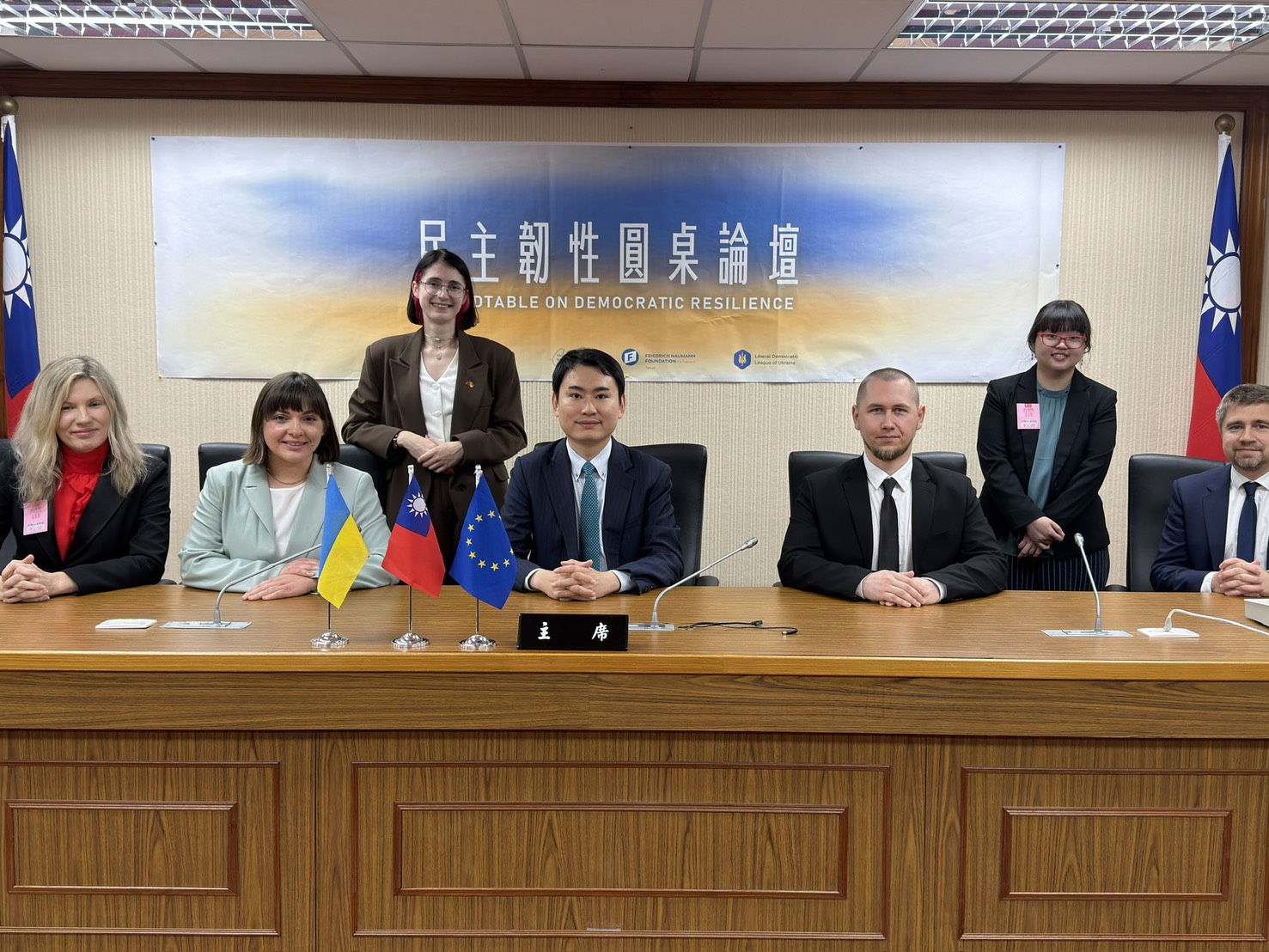
【軍傳媒/外交國防委員會】立法院外交及國防委員會召委、台灣與烏克蘭國會議員友好協會會長陳冠廷,日前於立法院主持「面對混合威脅下的民主韌性:來自烏克蘭與台灣的啟示」圓桌論壇,邀集烏克蘭與台灣政府、民間組織及產業代表,就資訊戰、社會防衛與無人系統應用展開交流。在國際局勢快速連動的背景下,論壇同時呼應近期中東情勢升溫,以及美國戰略資源可能重新分配所帶來的區域安全影響。
陳冠廷指出,當前安全威脅已從單一軍事層面,擴展至資訊操弄、社會滲透與基礎設施攻擊等多重領域,民主社會的防護能力必須建立在制度、產業與社會三個層面的整合之上。他強調,歐洲戰場與亞洲安全情勢已呈現高度連動,台灣無法將威脅視為區域性的問題,而需提前做好跨領域準備。
論壇中,烏克蘭代表分享其在戰時條件下的實務經驗,包括政府與民間協作的資訊澄清機制、社群參與的事實查核體系,以及無人機在戰場上的高度整合運用。烏方經驗顯示,在高壓環境中透過分散式決策與快速迭代機制,能有效提升整體防衛韌性。
烏克蘭在無人機與反無人機領域的實戰經驗,已逐步從戰場內部向外擴散。面對伊朗系統與低成本無人機威脅,部分海灣國家近年開始引入烏克蘭在感測整合、戰術運用與低成本攔截方面的經驗。這類「以無人機對抗無人機」的分散式防空概念,正逐漸成為能源設施與關鍵基礎建設防護的重要手段,也顯示無人機戰場經驗正轉化為可輸出的安全能力。
台灣方面,包括 Cofacts、雷虎科技、國家資通安全研究院及經濟部航太小組等單位,分別就事實查核、無人機產業發展、資安分析與政策推動進行分享。與會者普遍認為,無人機已不再只是單一裝備,而是結合感測、指揮、通訊與資料分析的系統工程,其關鍵在於整體整合能力與運用體系,而非單一性能指標。
產業界指出,台灣正持續推進去紅供應鏈、自主導航技術與AI應用,同時發展海上無人載具與多域整合能力,並透過國際合作強化供應鏈韌性。在混合威脅日益加劇的環境下,產業能量與國防體系之間的連動,將成為關鍵支撐。

立法委員 陳冠廷日前接受《華盛頓郵報》專訪時指出,中東局勢升高已引發亞洲盟友高度關注。若美國持續將大量軍事與戰略資源投入伊朗戰線,將壓縮其在印太地區的部署彈性,進一步動搖區域盟友對安全承諾的信心。
他表示,美國若陷入長期中東戰事,可能重演過去伊拉克與阿富汗戰爭的資源消耗模式,削弱其對印太局勢的即時反應能力。對台灣而言,主要安全挑戰仍來自中國持續升高的軍事壓力與灰色地帶行動,一旦美國戰略焦點被中東長期牽制,將使區域安全不確定性進一步升高。
在能源層面,陳冠廷亦指出,台灣高度依賴中東能源供應,若衝突擴大並影響運輸安全,將對台灣經濟與政策資源配置造成壓力,進而影響整體安全應對能力。
國防部提出的特別條例預算經過上週委員會的激烈討論,目前是凍結進入黨團協商階段,戰略規劃司司長 黃文啟中將昨天在立院就表示,美方三月初海馬士多管火箭系統發價書來的時候,就已經表明無法展延,因此從那個時間點開始國防部就密切的跟美方溝通,因為過往沒有任何一個個案是同意買受國可以延後支付。國防部長 顧立雄先生在受訪時也回覆,國防部提出的特別預算是根據敵情的威脅,跟我們這個在整體作戰的需求所提出的一個很完整的規劃,是要提升國軍全面戰力的一個規劃,所以我們希望我們這個特別預算能夠不分朝野獲得支持,而不要去區分軍購跟商購,不管哪一個項目都是獲得完整戰力的不可或缺的一部分,美方昨天同意引用安源協助的緊急條款暫延到五月下旬,但是仍要先通過條例才能送預算,在總預算沒付委審查下,也沒法動支第一、二預備金,因此希望能盡快通過預算。

低成本防空崛起,烏克蘭戰場改寫防空體系邏輯
烏克蘭由於先天性的不足,為了戰場上的生存,在低成本防空體系建立上有巨大的成功,面對俄軍從伊朗引進大量使用低價無人機與巡弋飛彈進行消耗式攻擊,烏克蘭逐步建立起以成本效益為核心的多層次防空架構,顯著降低攔截成本並提高整體防護效率。
由於缺乏高端防空飛彈,烏克蘭並未完全依賴傳統高價防空飛彈系統,而是結合多種手段,包括電子干擾設備、機砲與重機槍、改裝防空車輛,以及以無人機攔截無人機的方式,形成「軟殺與硬殺並行」的防空模式。其中,透過電戰干擾癱瘓敵方無人機導航與通訊,已成為第一層防護;在必要時,再由低成本火力或攔截型無人機進行終端處置,有效避免以高價飛彈對付低價目標所造成的成本失衡。海灣國家在面對伊朗無差別報復攻擊,消耗大量防空飛彈後,驚覺掉入伊朗不對稱作戰的陷阱,因此緊急與烏克蘭合作尋找解方。
此外,烏克蘭亦加強防空單位的高度分散與機動部署,透過小型化、模組化裝備配置,使防空能力能快速覆蓋關鍵設施與前線部隊,同時避免被俄羅斯摧毀。這種「分散式防空」概念,這次美伊戰爭就明顯呈現,伊朗固定式防空裝備幾乎被摧毀殆盡,但是機動式防空仍能威脅美軍戰機,分散式防空不僅提高生存性,也降低單點失效的風險。
中東戰事延燒與戰略分心,印太安全的不確定性上升
國際上俄烏戰爭沒結束,美伊戰爭又開打,從目前態勢觀察,美伊衝突短期內仍可能維持在「有限升高」的區間,伊朗煽動代理人加入衝突,同時以無人機與飛彈無差別攻擊荷姆茲海峽船隻及海灣國家,若衝突持續延長,美國勢必面臨「中東與印太雙重壓力」的戰略分配問題,而中國則可能在此期間擴大其在印太的軍事與政治操作空間。
在這樣的國際環境下,亞洲各國都興起美軍撤出印太的危機感,紛紛提高軍備預算,上週論壇與會者普遍認為,未來安全體系將不再依賴單一大型軍事力量,而是結合分散式系統、快速生產能力與社會整體動員的綜合架構,因此更需要各國自身提高防衛力量,降低對單一大國的保護依賴。
外交及國防的立委 陳永康在質詢時則點出國防部的預算在時序上及內容上一直沒有掌握好跟在野黨立委的溝通,造成如今的僵局。另外立委 陳冠廷就特別表示,台灣與烏克蘭在面對威權擴張與維護民主制度上具有高度共通性。未來將持續推動國會外交與政策對話,深化與烏克蘭及其他民主夥伴的合作,同時促進台灣內部跨部門整合,讓民主韌性從理念轉化為制度與實際能力,提升面對複合威脅的長期準備。

Taiwan–Ukraine Forum Highlights New Battlefield Realities: Low-Cost Air Defense and Unmanned Warfare Reshaping Indo-Pacific Security
A recent roundtable forum at Taiwan’s Legislative Yuan, titled “Democratic Resilience Under Hybrid Threats: Lessons from Ukraine and Taiwan,” brought together officials, industry representatives, and civil society groups from both sides to exchange views on information warfare, societal defense, and unmanned systems. Organized by legislator Chen Kuan-ting, the event also reflected growing concern over global security linkages, including rising tensions in the Middle East and the potential redistribution of U.S. strategic resources.
Chen noted that modern security threats now extend beyond traditional military domains to include information manipulation, social infiltration, and attacks on critical infrastructure. As a result, democratic resilience must be built through integrated efforts across institutions, industry, and society. He emphasized that European battlefields and Asian security dynamics are increasingly interconnected, requiring Taiwan to prepare across multiple domains.
Ukrainian representatives shared wartime experience, including coordinated government-civilian mechanisms for countering disinformation, community-driven fact-checking systems, and extensive battlefield integration of unmanned systems. Their experience shows that decentralized decision-making and rapid iteration can significantly enhance resilience under high-pressure conditions.
Of particular interest is Ukraine’s operational experience with drones and counter-drone systems. Facing large numbers of low-cost drones and missile threats, Ukraine has developed cost-effective, layered air defense approaches. These include electronic warfare, gun-based systems, modified vehicles, and drone-on-drone interception. Such decentralized and cost-efficient models are now attracting attention beyond the battlefield, with some Gulf states exploring similar concepts to protect energy infrastructure.
On Taiwan’s side, organizations including Cofacts, Thunder Tiger, the National Institute of Cyber Security, and the Ministry of Economic Affairs’ aerospace programs shared developments in fact-checking, drone industry growth, cybersecurity, and policy initiatives. Participants agreed that unmanned systems are no longer standalone platforms, but integrated systems combining sensors, communications, command, and data analysis.
Industry representatives highlighted Taiwan’s efforts to reduce reliance on China-based supply chains, develop autonomous navigation and AI applications, and expand capabilities in maritime unmanned systems. Strengthening international cooperation and supply chain resilience is seen as essential under growing hybrid threats.
Chen also warned in a Washington Post interview that escalating tensions in the Middle East could divert U.S. military and strategic resources away from the Indo-Pacific, raising concerns among regional allies. A prolonged conflict could strain U.S. responsiveness, while Taiwan continues to face increasing military and gray-zone pressure from China.
Energy security is another concern. Taiwan’s reliance on Middle Eastern energy means that disruptions to shipping routes or infrastructure could affect both economic stability and national security planning.
Meanwhile, Taiwan’s proposed defense special budget remains under negotiation. Officials from the Ministry of National Defense emphasized that the plan is based on threat assessments and aims to strengthen overall combat capability. However, delays in arms deliveries—such as F-16V aircraft ordered in 2019—highlight the challenges of relying on external supply during high-intensity conflicts.
Ukraine’s experience underscores the rise of low-cost air defense. Rather than relying solely on expensive missile systems, Ukraine has adopted a layered approach combining electronic warfare, low-cost interceptors, and distributed deployments. This reduces costs while maintaining effectiveness against mass drone and missile attacks.
The importance of mobility and dispersal has also been demonstrated. Modular and mobile air defense systems increase survivability and reduce vulnerability to concentrated strikes. Similar patterns have been observed in recent Middle East conflicts, where fixed systems were more easily targeted than mobile ones.
At a broader level, simultaneous conflicts in Europe and the Middle East are increasing global uncertainty. The United States may face competing strategic demands, while China could expand its influence in the Indo-Pacific during periods of distraction.
Participants at the forum agreed that future security frameworks will rely less on a single dominant military power and more on distributed systems, rapid production capacity, and whole-of-society mobilization. This shift underscores the need for countries like Taiwan to strengthen self-reliance and resilience.
Legislators also pointed to the importance of improving communication on defense policy and budgets. Chen emphasized that Taiwan and Ukraine share common challenges in resisting authoritarian pressure and safeguarding democratic systems. Continued parliamentary diplomacy and cross-sector coordination will be essential to transforming resilience from concept into operational capability.