

From Integrated Air Defense to a Multi-Domain Battle Node:
How IBCS Is Reshaping Modern Air Defense Command and Control
— And Its Strategic Implications for Taiwan’s Air Defense Integration
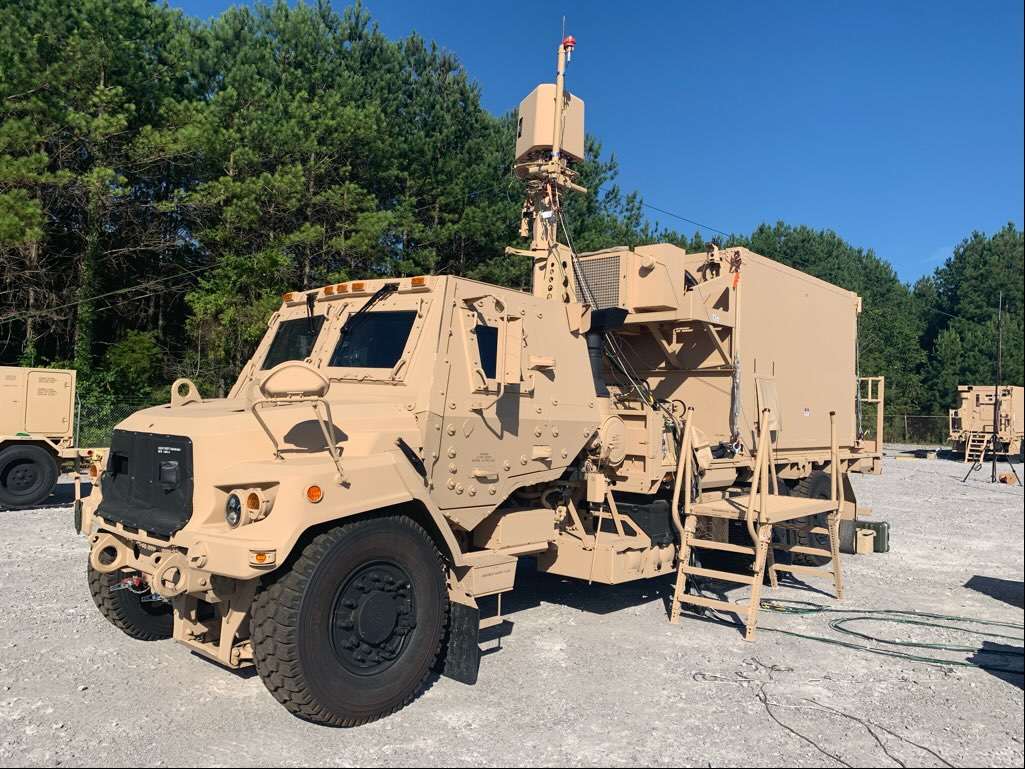
【軍傳媒/軍事科技】現代防空作戰的核心挑戰,早已不再只是攔截器性能或雷達探測距離,而是「能否在最短時間內,將正確的感測資訊,送到最適合的武器手中」。隨著威脅型態從傳統航空器,擴展到巡弋飛彈、彈道飛彈、精準導引火箭、無人機蜂群乃至飽和攻擊,防空體系若仍以單一系統、單一雷達、單一武器為作戰單位,將難以應對高密度、快節奏的空中威脅。在這樣的背景下,由諾斯洛普.格魯曼所研發,美國陸軍正式建案採購的整合式作戰指揮系統(Integrated Battle Command System, IBCS),已逐漸成為各國防空體系現代化的重要支柱。
IBCS 並不是一套新的防空飛彈系統,也不是另一種雷達,而是一個徹底改變防空作戰邏輯的指揮與作戰管理架構。它的出現,象徵防空作戰從「系統本位」轉向「網路本位」,從「各自作戰」轉向「全域整合」。

IBCS的核心運作原理,從系統整合走向網路化作戰
傳統防空系統的最大限制,在於感測器與武器之間存在高度綁定關係。雷達通常只能為「自家」的發射單位提供射控資料,武器系統也往往只能接收其原廠或同系統雷達的指引。這種設計在冷戰時期尚可接受,但在多源威脅與跨域作戰環境中,卻成為效率與存活性的瓶頸。
IBCS 的根本設計理念,正是打破這種「一對一」的封閉架構。它透過網路化、模組化與開放式系統架構,將來自不同雷達、不同感測器的資料進行即時融合,形成單一、具射控品質的戰場空情圖像。這個圖像不再屬於某一套武器系統,而是整個防空網路的共同基礎。
在 IBCS 架構下,感測器只是「資料提供者」,武器系統只是「效果器」,真正負責戰場管理與交戰決策的,是位於網路核心的作戰管理節點。當威脅出現時,系統會自動比較各感測器的追蹤品質,選擇最佳資料來源,並將該資訊分配給最適合的攔截器,而非受限於地理位置或原本的系統編組。
這樣的作法,讓防空部隊得以在同一作戰網路中,混合使用不同國家、不同世代、不同性能的雷達與飛彈,卻仍維持一致的作戰邏輯與反應速度。對於必須長期面對威脅快速演進的國家而言,這種彈性本身就是一種戰略優勢。
IBCS通過實戰與部署驗證,不再只是概念系統
任何指揮系統若缺乏實戰驗證,都難以獲得軍方長期信任。IBCS 能夠逐步成為美國陸軍與波蘭防空體系的核心組成要素,關鍵在於其已跨過概念驗證,進入實際作戰測試與部署階段。目前波蘭已正式裝備運用 IBCS,而美國陸軍也於去年開始,將該系統實際部署至駐德國、關島與韓國的防空部隊單位。
IBCS在波蘭的實際運作表現,持續驗證其作戰成熟度與即戰能力,迄今為止,IBCS已在32次實彈射擊測試中達成32次成功攔截,測試情境涵蓋電子攻擊、雷達被干擾,以及其他高度貼近實戰的作戰條件,充分展現其在複雜戰場環境下的可靠性與韌性。
美國陸軍在對IBCS的後續作戰測試與評估階段,於白沙飛彈試驗場進行了一次高度貼近實戰的飛行測試。測試中,操作人員在複雜戰術環境下,透過 IBCS 整合多種感測器與攔截器,成功攔截兩枚模擬巡弋飛彈目標。這項測試的重點,不僅在於攔截成功本身,而在於驗證 IBCS 能在實際作戰流程中,穩定提供射控等級資料,並支援多軍種參與的聯合作戰需求。
更值得注意的是,該測試是在官兵實際操作條件下完成,而非單純的實驗室或工程測試。也印證除了繼波蘭之後,IBCS已完全進入可供部隊使用、可承受戰場壓力的成熟階段,也為其後續量產與部署提供關鍵依據。
另外波蘭已正式宣布其搭載 IBCS 的 WISŁA 中程防空系統達成全面作戰能力,成為首個完成 IBCS 作戰部署的北約盟邦。這項進展具有高度象徵意義,因為它代表 IBCS 不再只是美軍專屬系統,而是能夠在盟邦體系中落地運作,並與現有愛國者系統、不同國家的人員訓練與作戰流程相互融合。
波蘭的案例尤其值得關注。該國位處北約東翼,面臨高度現實的空中與飛彈威脅,其防空建設並非象徵性部署,而是攸關國家安全的第一線能力。波蘭選擇以 IBCS 作為防空體系的中樞,顯示這套系統已被視為能在高威脅環境中發揮實際作戰價值的成熟解決方案,而非僅具技術展示性質的產品。

IBCS 帶來防空作戰邏輯的質變
IBCS 所帶來的最大改變,在於縮短「感測到交戰」的時間差。當防空作戰面對的是高速、低空、數量眾多的威脅時,任何指揮延遲都可能直接轉化為防線破口。IBCS 透過集中資料融合與分散火力執行的方式,使決策流程更為扁平化,減少不必要的人工介入與層級傳遞。
此外,IBCS 也顯著提升防空體系的生存性。由於感測器與武器不再高度綁定,單一雷達或發射單位遭壓制,並不會癱瘓整個系統。其他感測器仍可提供追蹤資料,其他武器仍可接手攔截任務。這種去中心化的作戰模式,使防空網路在面對電子戰或精準打擊時,具備更高的韌性。
IBCS的整合有利台灣防空體系
將視角轉向台灣,可以發現 IBCS 的設計理念,與台灣防空體系面臨的現實問題高度契合。台灣目前的防空架構,本就由多種系統組成,包括愛國者防空飛彈、中科院自行研製的天弓/天劍防空飛彈系統,近期預計採購並部署的 NASAMS,以及各型預警雷達與舊式的中短程防空火力(麻雀飛彈及35防空快砲系統)。這種「多系統並存」的狀態,既是優勢,也可能成為指揮整合上的挑戰。
在缺乏高階整合架構的情況下,目前各防空系統仍以自身雷達與作戰邏輯為核心,導致空情資料重複、火力分配效率不佳,攔截目標都需要高階作戰指揮中心指示,在高壓情境下容易產生指揮負荷過重的問題。IBCS 所代表的整合思維,正好提供一條可能的解決路徑。
若台灣防空系統採用IBCS為核心,愛國者防空飛彈、天弓/天劍防空飛彈系統、NASAMS 及其他防空單位,理論上可共享同一套整合空情圖像,並由系統自動協助進行火力分配。這不僅能避免多套系統對同一目標重複接戰,也能確保高價值攔截器被保留用於高威脅目標,而非消耗於可由較低層防空單位處理的威脅。
與其他類似系統不同,IBCS的開放式架構,使其具備長期擴充性,這點對台灣特別重要。隨著台灣大幅提高國防預算,以及面臨裝備武器的更新換代,未來可能引進新的感測器或防空裝備,這些資產理論上可被納入同一作戰網路,而不必重新打造整套指揮體系。這對於台灣的防空現代化是一項關鍵優勢,因為它將投資重點從「單一武器升級」,轉移到「整體作戰效能提升」,不再只宣傳防空密度世界第一,而是能提升至防空效率世界頂尖的等級。

IBCS 所代表的不是單一系統,而是防空思維的轉換
從美國陸軍的作戰測試實際部署,到波蘭達成全面作戰能力的作戰單位成立,IBCS 已不再只是紙上談兵的概念,而是一套正在改變防空作戰方式的成熟系統。它所代表的,不僅是技術整合能力,更是一種以資料與網路為核心的作戰思維,如今興起的體系作戰,正是整合所有資源發揮到極致的能力,戰力不只是單一裝備,藉由適當的整合,新舊裝備都將發揮它的極致能力與價值。
對台灣而言,IBCS 提供了一個清晰的範例,說明現代防空體系如何在多系統、多威脅的環境下,維持反應速度、火力效率與整體韌性。未來防空作戰的勝負,將不再只取決於攔截率,而取決於誰能更快、更穩定地整合全場資訊,並以最符合經濟成的方式,將其轉化為有效的防禦行動,IBCS不再只是美國或歐洲的系統,而是融入未來防空作戰走向並整合各項裝備的中樞。

From Integrated Air Defense to a Multi-Domain Battle Node:
How IBCS Is Reshaping Modern Air Defense Command and Control
— And Its Strategic Implications for Taiwan’s Air Defense Integration
The central challenge of modern air defense is no longer defined solely by interceptor performance or radar detection range, but by whether accurate sensor data can be delivered to the most suitable weapon in the shortest possible time. As threats expand from traditional aircraft to include cruise missiles, ballistic missiles, precision-guided rockets, drone swarms, and saturation attacks, air defense architectures that rely on a single system, a single radar, or a single weapon are increasingly inadequate to cope with high-density, high-tempo aerial threats. Against this backdrop, the U.S. Army’s program of record called the Integrated Battle Command System (IBCS), developed by Northrop Grumman, has emerged as a cornerstone of air defense modernization efforts worldwide.
IBCS is neither a new air defense missile system nor another radar. Instead, it represents a fundamental shift in command-and-control logic. Its emergence marks a transition in air defense operations from a “platform-centric” to a “network-centric” model, and from isolated engagements to fully integrated battlespace management.
From System Integration to Networked Warfare
The primary limitation of traditional air defense systems lies in the tight coupling between sensors and weapons. Radars are typically restricted to supporting their own launch units, while weapons often accept fire-control data only from proprietary or system-specific sensors. While acceptable during the Cold War, such architectures have become a bottleneck in survivability and efficiency in today’s multi-domain and multi-threat environment.
IBCS was designed specifically to break this one-to-one, closed architecture. Through a networked, modular, and open systems approach, it fuses data from diverse radars and sensors in real time to generate a single, fire-control-quality integrated air picture. This picture no longer belongs to any individual weapon system, but serves as the shared foundation of the entire air defense network.
Within the IBCS framework, sensors function purely as data providers, weapons act as effectors, and battlefield management and engagement decisions are handled by centralized battle management nodes within the network. When a threat emerges, the system automatically evaluates sensor track quality, selects the optimal data source, and assigns the engagement to the most appropriate interceptor—regardless of geography or original unit affiliation.
This architecture enables air defense forces to integrate radars and missiles of different origins, generations, and performance levels within a single operational network while maintaining consistent logic and response speed. For nations facing rapidly evolving threats, this flexibility constitutes a strategic advantage in itself.
From Concept to Operational Reality
No command-and-control system can earn long-term military confidence without operational validation. IBCS has progressed beyond conceptual demonstrations and has completed live testing and deployment, enabling it to become a core component of U.S. Army and NATO Polish air defense architectures. Poland is already using IBCS, and the U.S. Army began fielding to air defense units in Germany, Guam and Korea last year.
IBCS’s operational performance continues to validate its readiness. IBCS has achieved 32 successes in 32 live-fire events, including scenarios involving electronic attack, degraded sensors, and other combat-representative conditions. During recent follow-on operational testing and evaluation, the U.S. Army conducted a highly realistic flight test at White Sands Missile Range. Under complex tactical conditions, operators used IBCS to integrate multiple sensors and interceptors, successfully engaging two simulated cruise missile targets. The significance of the test lay not merely in the successful intercepts, but in validating IBCS’s ability to consistently deliver fire-control-quality data and support joint, multi-service operations under realistic conditions.
Notably, the test was conducted by operational personnel rather than in a laboratory or purely engineering environment. This confirmed that IBCS had reached a level of maturity suitable for field use and capable of withstanding battlefield stress, providing a critical foundation for subsequent production and deployment.
Poland has since formally announced that its IBCS-enabled WISŁA medium-range air defense system has achieved Full Operational Capability, making it the first NATO member to complete an operational IBCS deployment. This milestone is symbolically significant, demonstrating that IBCS is no longer exclusive to the U.S. military, but can be successfully integrated into allied force structures, personnel training, and existing Patriot systems.
Poland’s case is particularly instructive. Located on NATO’s eastern flank and facing credible missile and air threats, Poland’s air defense posture is not symbolic but a frontline national security necessity. Its selection of IBCS as the backbone of its air defense network underscores the system’s perceived combat value in high-threat environments, rather than as a mere technological showcase.
A Fundamental Shift in Air Defense Logic
IBCS’s most profound impact lies in compressing the timeline from detection to engagement. Against fast, low-altitude, and massed threats, any command delay can quickly translate into a breach of defenses. By centralizing data fusion while decentralizing fire execution, IBCS flattens decision-making processes and reduces unnecessary human intervention and hierarchical delays.
IBCS also significantly enhances system survivability. Because sensors and weapons are no longer tightly bound, the loss or suppression of a single radar or launcher does not paralyze the entire network. Other sensors can continue tracking, and other interceptors can assume the engagement. This decentralized architecture provides greater resilience against electronic warfare and precision strikes.
Implications for Taiwan’s Air Defense Architecture
From Taiwan’s perspective, the design philosophy of IBCS closely aligns with the realities facing its air defense system. Taiwan already operates a diverse mix of systems, including Patriot missile batteries, domestically developed Sky Bow and Sky Sword systems, the planned acquisition of NASAMS, various early-warning radars, and legacy short- and medium-range air defense assets such as Sparrow missiles and 35mm anti-aircraft guns. This diversity is both an advantage and a command-and-control challenge.
Without a high-level integration framework, these systems largely operate around their own sensors and engagement logic, resulting in duplicated air tracks, inefficient fire allocation, and heavy reliance on centralized command authorities for target assignment. Under high-pressure scenarios, this creates command overload risks. The integration philosophy embodied by IBCS offers a potential solution.
If adopted as the core architecture, IBCS could allow Patriot, Sky Bow/Sky Sword, NASAMS, and other air defense units to share a common integrated air picture, with automated assistance in fire allocation. This would prevent multiple systems from redundantly engaging the same target and ensure that high-value interceptors are reserved for high-threat targets, while lower-tier defenses handle less demanding threats.
IBCS’s open architecture also provides long-term scalability—an especially important feature for Taiwan. As defense budgets increase and new sensors or interceptors are introduced, these assets could be incorporated into the same operational network without rebuilding the entire command structure. This shifts investment priorities from upgrading individual weapons to enhancing overall combat effectiveness, elevating air defense from claims of density to true operational efficiency.
More Than a System—A Transformation in Thinking
From U.S. Army operational testing and fielding, to Poland’s full operational deployment, IBCS has evolved beyond a theoretical concept into a mature system reshaping air defense operations. It represents not only technical integration, but a data- and network-centric operational philosophy. Modern system-of-systems warfare is defined by maximizing the collective effectiveness of all assets, where combat power resides not in individual platforms but in their integration.
For Taiwan, IBCS offers a clear illustration of how a modern air defense system can maintain responsiveness, efficiency, and resilience in a multi-system, multi-threat environment. The outcome of future air defense operations will no longer hinge solely on interception rates, but on who can integrate battlefield information faster, more reliably, and convert it into effective defensive action at the lowest cost. In this sense, IBCS is no longer merely a U.S. or European system—it represents the emerging core of future air defense warfare.