

【軍傳媒/國際軍事新聞】在21世紀的地緣政治環境中,原油不再是單純的商品,它既是各國能源安全的基礎,也是國際政治與軍事博弈的核心資源之一。隨著俄羅斯對烏克蘭的全面軍事行動、美國近年對多個產油國施壓,以及中東地區持續的緊張狀態,全球原油市場與運輸體系正經歷深刻變革。原油供應鏈的每一次扭曲,都會迅速映射到海運路線的調整、航運成本的增加,以及能源市場的重新分配。
在這場結構性重塑中,戰略大國通過經濟制裁與海上執法力量,不僅影響對手的能源收入,更直接介入原油運輸的權力架構,重塑世界能源供應網絡。

從戰略資源到戰略目標,美國的制裁實踐與海上執法
美國自冷戰結束後,便已將能源供應安全納入國家戰略核心;尤其是在俄烏戰爭爆發之後,華府對俄羅斯能源出口實施多輪制裁,企圖削弱莫斯科的戰爭資金來源。這些制裁措施不僅限於金融與貿易範疇,還包括對油輪、船舶公司與相關物流網絡的限制,催生了所謂的「影子船隊(Russian shadow fleet)」,一個為規避西方制裁而出現的俄籍或無國籍油輪網絡。
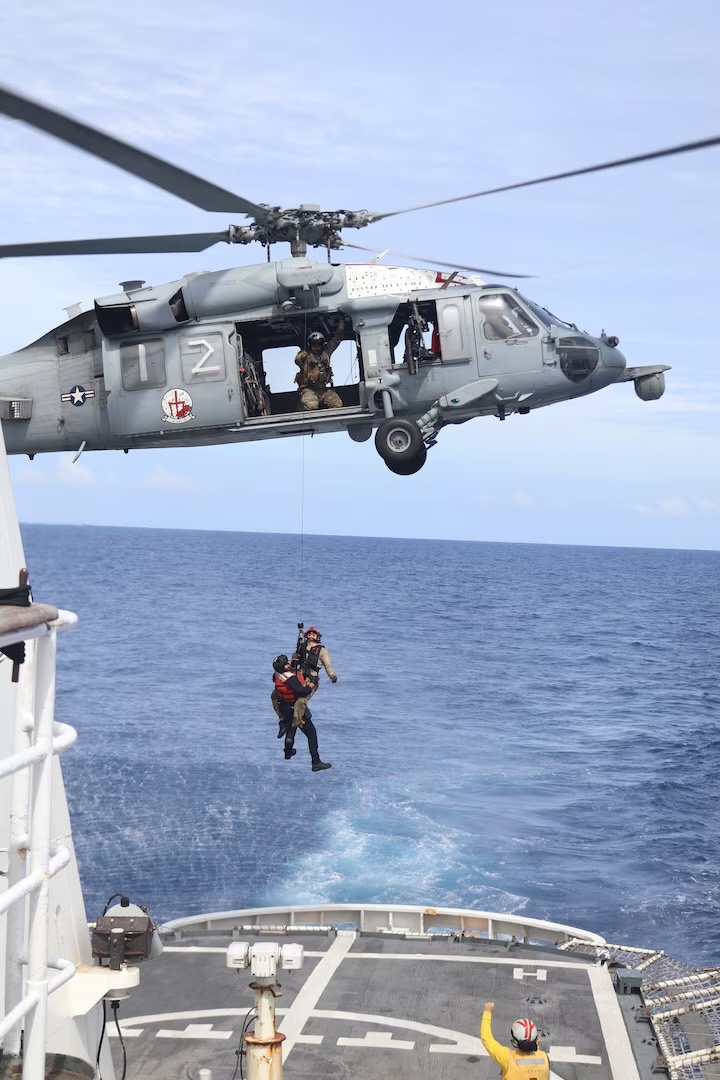
美國自去年12月起就加強對委內瑞拉石油出口與相關「影子船隊」的制裁與執法行動,鎖定涉嫌規避制裁的油輪運輸網絡後,一連攔截數艘載運石油離開委內瑞拉的船隻,12月美國海岸警衛隊試圖在加勒比海登船檢查正在駛往委內瑞拉,懸掛圭亞那國旗的「貝拉1號」,然而這艘油輪突然改變航向,並將船名改為「馬裡內拉號」(Marinera),同時懸掛俄羅斯國旗,並朝向北大西洋行駛。 2週以來,英國與美國海岸警衛隊一直追蹤該船,馬裡內拉號緊急向俄羅斯申請入籍,同時在船體懸掛俄羅斯國旗,據傳俄羅斯也派出一艘軍艦護航,表達支持並庇護的意思,然而在北大西洋靠近冰島的公海海域,美國海岸防衛隊(USCG)攔截了該船,數架隸屬美軍的特種直升機從英國基地起飛直撲北大西洋,雖然馬裡內拉號大幅更改航向試圖逃脫,仍遭美方艦艇包圍,最後直升機空降幹員登船扣押了該船。 這次的行動並未有美俄雙方軍艦對峙的情形,但也清楚表明美國願意接受衝突增溫的後果。美國這種「阻斷委內瑞拉石油出口」的行為已超國執法所需,反而逼近「有限度海上封鎖(blockade-like enforcement)」,它不一定宣告為戰時封鎖,這意味著美方不只在追「一艘船」,而是在對整條鏈施壓:航運、掛旗、AIS訊號管理、港口裝卸、金融與保險,都可能被當成戰略打擊的方式,這是一種「不開戰但能削弱對手資金流」的手段。
美國藉口打擊毒品,對委內瑞拉實行石油禁運制裁,美國把委內瑞拉的石油出口不僅視為經濟議題,而是要斬斷委內瑞拉政權資金來源與地緣政治結盟(與中俄方關係)的組合,俄方對此事件公開譴責美國違反海洋法、稱之為海盜行徑,並引用UNCLOS公海航行自由權指責美國,美方則依多起制裁執法的慣例,可能主張船舶涉嫌規避制裁/偽造旗國/無國籍(stateless)等情況,構成更強的登檢或扣押正當性。 當美國扣押不再只是凍結資產或罰款,而是直接奪取沒收運輸工具,直接可能影響船東、承租方更不願碰觸可疑貨源、保險與再保險公司可能調升特定航線費率、港口可能加強查核或拒收爭議船舶,美國就能擴大嚇阻範圍達到效果這種執法模式若被視為成功,具有高度示範效應,可能引發其他大國採取類似措施。例如中國在南海與台灣海峽的海上控制權競爭中,未來也可能以類似「反走私/反制裁」名義強化海上攔檢與執法,對航運自由造成新的分裂與不確定性。這會使全球商船業與航運安全的法律框架面臨重新解讀與分裂,保險與風險溢價提高,小國航運企業的運營壓力增大。

美印能源供應鏈重塑的地緣經濟博弈
近年來,由於美國對俄羅斯能源出口的壓制,印度成為俄羅斯石油的重要買家之一,曾經高達每日逾200萬桶的進口量,使印度成為莫斯科規避西方制裁的核心市場。這一現狀在全球能源供應鏈中意義重大:俄方倚賴印度的購買量來維持出口收入,而印度依賴折扣俄油以滿足能源需求。
2025年,美國為迫使印度改變這一能源策略,對印度輸美商品加徵高達50%的對等關稅,將能源與貿易政策掛鉤,企圖以關稅槓桿壓迫印度減少俄油進口。同時藉由掌控委內瑞拉原油出口,用以彌補印度的需求。這一連串的操作終於讓世人明白川普政府的策略,最新發展顯示,美印於2026年初宣布達成新一輪貿易協議——美方降低印度商品關稅至18%,同時美国政府宣稱印度同意停止進口俄羅斯原油,並增加從美國及其他國家(如委內瑞拉)的原油購買。
這個協議若全面落實,將在全球原油供應鏈中產生多重衝擊:
- 俄羅斯能源收入結構改變
俄油出口到印度市場的大量流量,是莫斯科在面對西方價格上限制度下的一條重要出路。若印度逐步減少甚至終止進口俄油,將直接打擊俄方能源收入與出口量,使俄羅斯需要尋找新的買家並承受更大的價格折讓壓力。 - 全球原油運輸路線重置
印度從俄羅斯購油,主要透過中亞與黑海—波羅的海—歐洲—非洲之間多段海運路線;若轉向美國或委內瑞拉原油,則意味著原油海運路線將從大西洋跨越更長距離,運費與保險成本上升,並使更多的油輪進出加勒比海、遠東與印度洋航道。這類重新配置促使現有的海運路線網絡進行重整,也可能對霍爾木茲海峽、馬六甲海峽等戰略要道的交通壓力產生影響。 - 能源市場價格與波動性上升
若印度在短期內大幅減少俄油進口,估計這將在供需不平衡時段對油價造成上行壓力,全球分析師認為印度不太可能完全立即停止進口,更可能做法是逐步調整,以避免供應缺口引發國內通脹壓力與經濟震盪。
然而印度官方對是否真正停止俄油進口仍存分歧,莫迪政府未就此公開承認,克里姆林宮也表示未收到印度書面通知,這意味著目前的協議仍然具有高度政治性與不確定性,而不是單純的能源供應合同,是不是只是美國一相情願的表態,仍須看後續實際的執行情況。

制裁原油運輸影響海運自由與航運風險
在過去,國際航運的法律基礎是《聯合國海洋法公約(UNCLOS)》下的航行自由與無歧視原則,然而隨著越來越多大國使用經濟制裁、關稅及海上執法作為外交與安全工具,商船業開始面臨前所未有的運營環境變化。世界原油運輸業從傳統的「自由市場與航行自由」模式,轉變為一種受國際政治競爭深刻干預的體系:
- 掛旗與船籍隱匿的複雜性提升
許多試圖規避制裁的油輪採取改旗、變名,甚至使用虛假的AIS信號,形成了所謂的「影子船隊」。這不僅增加了執法難度,更讓監管與商保機構難以評估風險。 - 港口與保險市場的分化
因為不同國家對制裁遵循程度不同,某些港口可能拒絕接受涉及制裁的貨物,而保險公司亦可能對高風險航線收取更高保費,推高運輸成本並重新塑造全球航運價格結構。 - 中東與戰略要道的不確定性增長
伊朗受到美國與西方制裁多年,其原油出口持續承受壓力。雖然歷史事件表明伊朗曾威脅封鎖霍爾木茲海峽以作為反制手段,但原油運輸依然需要穿越多處地緣政治敏感區域。任何涉及海軍力量的攔截或緊張局勢,都可能瞬間推高保險成本與油價。
因此,原油供應鏈不再是單純由市場供需決定的價格機制,而是一個被多重安全風險、政治制裁、航運法律與戰略演習所共同塑造的複雜體系。
能源供應的地緣政治未來
在全球化與地緣政治對抗持續存在的今天,原油運輸正從單一的經濟活動,演變成大國權力展示的核心場域之一。美國利用制裁與海上執法,企圖切斷敵對政權的資金來源;而其他大國也可能採取對等或對抗措施,使航運自由與原油安全在不同陣營之間產生分化。原油市場未來的波動,將不僅受到供需基本面影響,更深受各國外交政策、戰略考量與安全執法行動的影響。
在這樣的框架下,各國必須重新評估能源戰略,將航運安全、法律框架遵循、供應多元化與政治風險納入能源採購與國際合作的整體規劃之中。而消費大國、產油國與中轉港口國的互動,也將深刻影響全球原油物流結構與地緣政治權力的平衡。

Crude Oil Transportation under Global Conflict: Maritime Power Competition, Sanctions Mechanisms, and the Reshaping of Energy Supply
In the 21st century, crude oil is no longer merely a commercial commodity but a core strategic resource underpinning national energy security and great-power competition. Russia’s war against Ukraine, sustained U.S. pressure on oil-producing states, and ongoing instability in the Middle East have fundamentally reshaped global crude oil markets and transportation systems. Disruptions in the oil supply chain now translate rapidly into changes in shipping routes, higher freight and insurance costs, and the redistribution of energy flows.
Major powers increasingly use economic sanctions and maritime enforcement not only to reduce adversaries’ energy revenues but also to intervene directly in the structure of oil transportation itself. In this process, energy supply security has become an arena of strategic competition rather than a purely economic issue.
Since the end of the Cold War, the United States has treated energy security as a strategic priority. Following the outbreak of the Russia–Ukraine war, Washington imposed successive sanctions on Russian energy exports to constrain Moscow’s war-financing capacity. These measures extend beyond finance and trade to include oil tankers, shipping companies, and logistics networks, giving rise to the so-called “Russian shadow fleet” of reflagged or stateless tankers designed to evade sanctions.
Since December of last year, the United States has intensified enforcement against Venezuelan oil exports and related shadow fleets. Several tankers departing Venezuela were intercepted, culminating in the seizure of a vessel that changed its name and flag mid-voyage and reportedly received Russian naval escort. U.S. surface vessels and helicopters ultimately boarded and seized the ship in international waters. Although no direct naval confrontation occurred, the operation demonstrated Washington’s willingness to accept escalation risks.
This approach goes beyond conventional law enforcement and approaches “blockade-like enforcement.” Rather than targeting a single ship, it applies pressure across the entire supply chain—shipping operations, flag registration, AIS tracking, port services, finance, and insurance. It represents a method of weakening an adversary’s financial lifelines without a formal declaration of war.
Russia condemned the seizure as piracy and a violation of freedom of navigation under UNCLOS, while the United States is likely to justify its actions by citing sanction evasion, false flagging, or stateless status. The shift from asset freezes to direct seizure of transport assets has immediate deterrent effects: shipowners and charterers avoid risky cargoes, insurers raise premiums, and ports tighten inspections or deny access.
If this model proves effective, it may be replicated elsewhere. Other major powers—most notably China in contested waters such as the South China Sea or the Taiwan Strait—could adopt similar enforcement practices under the guise of counter-smuggling or counter-sanctions. Such trends would further fragment freedom of navigation, increase insurance and risk premiums, and place smaller shipping states under growing pressure.
U.S. sanctions on Russian energy exports have also reshaped global demand patterns, making India one of Russia’s most important crude oil buyers, with imports once exceeding two million barrels per day. Russia relies on Indian purchases to sustain revenues, while India benefits from discounted crude. In 2025, the United States attempted to alter this dynamic by imposing tariffs of up to 50 percent on Indian exports, explicitly linking trade policy to energy behavior. At the same time, Washington sought to control Venezuelan oil flows to offset India’s supply needs.
In early 2026, the U.S. and India announced a new trade arrangement under which U.S. tariffs were reduced and Washington claimed India would halt Russian oil imports and increase purchases from the U.S. and other suppliers. If fully implemented, this shift would significantly affect Russia’s export revenues, force longer and more expensive transoceanic shipping routes, and raise price volatility in global energy markets. However, India has not publicly confirmed a complete halt to Russian imports, and Moscow reports receiving no formal notification, underscoring the political uncertainty surrounding the agreement.
More broadly, sanctions-driven oil transportation is eroding the traditional principles of freedom of navigation under UNCLOS. Tankers increasingly change flags, names, or AIS signals, complicating enforcement and risk assessment. Ports and insurance markets are fragmenting as states apply sanctions unevenly, driving up transportation costs. In the Middle East, long-standing sanctions on Iran and persistent threats around strategic chokepoints such as the Strait of Hormuz mean that any naval incident can instantly raise oil prices and insurance premiums.
As a result, the crude oil supply chain is no longer governed solely by market-driven supply and demand. It has become a complex system shaped by overlapping security risks, political sanctions, maritime law, and military activity.
In an era of sustained geopolitical confrontation, crude oil transportation is evolving into a central arena of great-power competition. Sanctions and maritime enforcement are now tools for reshaping global energy flows. Future oil market volatility will depend not only on economic fundamentals, but increasingly on foreign policy choices, strategic calculations, and security enforcement. States must therefore reassess their energy strategies by integrating maritime security, legal compliance, supply diversification, and political risk into long-term planning, as the balance of power in global energy logistics continues to shift.