

【軍傳媒/外交國防委員會】近年來,灰色地帶衝突逐漸成為區域安全的主要樣態之一。除傳統軍事壓力外,小型船隻滲透、假漁船活動以及低強度持續性騷擾,已成為對台海周邊安全環境最直接且高頻的挑戰。正如本次報告所揭示,無論是橡皮艇或關閉AIS訊號的漁船,其低可偵測性與高度機動性,使既有雷達與人力巡查體系面臨明顯負荷與限制。
在此背景下,台灣不論是海巡或是海軍,將無人艇等無人載具的導入,不僅是技術升級問題,更涉及整體建軍思維的轉變。如何在有限預算與快速變動的威脅環境中,建立具備彈性、可持續演進的無人艇體系,將成為台灣未來海上防衛能力的關鍵。
在上週的外交國防委員會中,立委 鍾佳濱在質詢就提出相關概念,即無人艇並非單一用途,而應依任務區分採購模式,同時因應快速提升的科技,採購觀念也要同步活化,不要拘泥於過去。
任務導向分級建軍,區分「消耗型」與「高價值平台」
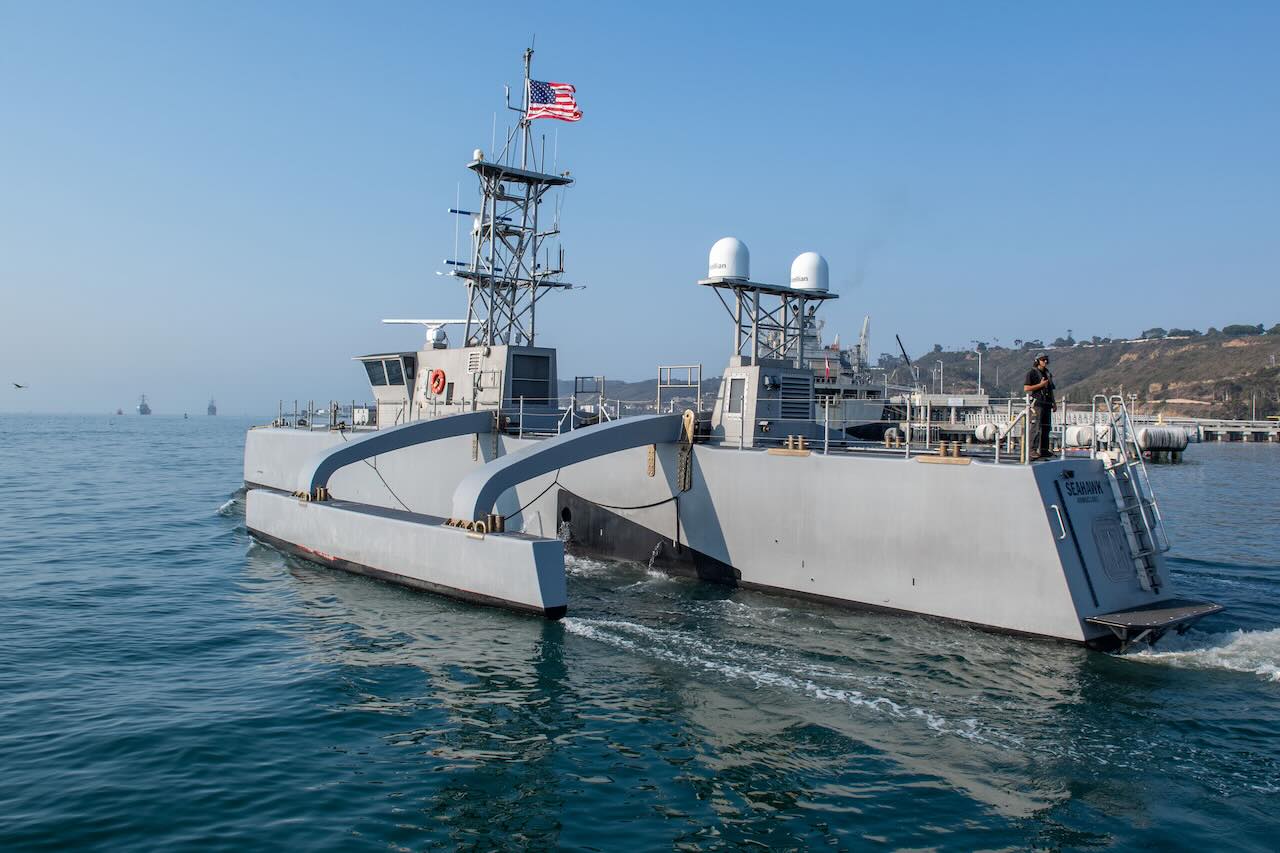
從國際案例來看,美國海軍在無人水面載具(USV)發展上,已逐步形成分級概念,區分為大型無人水面艦(LUSV)與中型無人水面艦(MUSV),前者強調火力與長時間部署,後者則著重偵蒐與感測任務。烏克蘭在黑海戰場的運用則更為直接,其自殺式無人艇屬於高度消耗性平台,以低成本換取高戰術價值。具體而言,可分為三類:
- 第一類為高價值監偵型無人艇,搭載高性能光電、雷達與通訊設備,用於長時間巡弋與目標識別。此類平台應以採購為主,確保穩定性與長期使用。
- 第二類為戰術干擾或嚇阻用途無人艇,例如靠近驅離、伴航監控等,成本應適中,可視需求進行數量擴張。
- 第三類則為消耗型無人艇,尤其在戰時可作為反登陸或不對稱作戰工具,此類平台應採取低成本、大量化原則,甚至可比照烏克蘭模式快速迭代。
這種分級概念,正是避免「所有無人艇都高價精密化」的關鍵,也是提升整體戰力效率的核心。

租購並行新概念,降低成本與加速技術更新
鍾佳濱委員在質詢中提出「租購並行」的概念,實際上與美國國防部近年推動的「服務化採購」(as-a-service)模式高度一致。在此模式下,部分無人系統並非一次性購買,而是透過租賃或合約服務方式取得。
首先其優勢在於可逐步調整需求,目前做須想定若有錯誤,一但採購將無法更改,藉由降低初期採購壓力,先行驗證並測試是否符合基層單位所需,排除過往採購無人載具多發生單位跟基層使用單位意見落差的結果。
其次是無人載具更新快,尤其是上面搭載的反電子干擾系統,需要持續系統更新。租賃模式可讓廠商持續提供最新版本平台,避免軍方受限於既有硬體,不會交貨即過時。
第三,有助於訓練與測試分離。鍾佳濱委員指出,訓練用無人艇與作戰用無人艇應有不同定位。訓練用途完全可以採租賃方式,以降低成本並提高使用頻率,且也可以維持廠商與軍方的合作關係,避免一次性採購後就成了孤兒。
以美國海軍為例,其在無人艦測試階段大量採用租賃與試用模式,使不同廠商方案可快速導入並淘汰不適用系統。以色列亦在邊境監控無人艇上採用類似模式,透過持續升級感測器與AI系統維持優勢。
對台灣而言,為了防弊而僵化的採購方式,近年造成購買許多不合時宜裝備的案例,造成基層使用上許多的不便與不滿,新無人艇採購若能將「訓練與巡邏用途」無人艇納入租賃體系,並隨時依照需求改變採購內容,將可在成本與戰力之間取得最佳平衡。

影像資料庫與AI能力才是真正核心
無人艇要能由AI控制,才是真正節省人力。現行規劃都還是以前一代的遙控無人艇作為採購方向,在思維上就已經與現代脫節,更不要說建軍採購應該是看未來。無人艇人工智慧要能實戰化,其上的自動尋標與影像辨識能力就必須準確,這仰賴大量影像資料進行訓練。國際上的相關資料庫多為其所在區域的相關內容,並無台海地區中國中小型漁船、艦艇、暗船,但這部分恰好又是台灣需要的。因此鍾佳濱委員就提出建立「海上影像資料庫」概念,除了利用官方的無人機、艦船巡邏時拍攝到的畫面,也可以與民間合作,利用廣大的漁船船隊,導入Google街景車的概念,快速建立海上船舶資料庫。
無論是美國海軍的無人系統,或烏克蘭的海上攻擊無人艇,其成功關鍵並不在於平台本身,而在於背後的感測與AI能力。尤其在面對「偽裝漁船」、「關閉AIS」等灰色地帶威脅時,單純依賴雷達或靠人力辨識已不足以應對,無人艇在AI辨識目標、判斷威脅與自動追蹤上的能力,將是未來關鍵戰力差距。
建立「持續演進」的無人艇戰力體系
台灣國防預算提到一次採購千艘無人艇的建軍計畫,引起許多廠商的重視,實務上就遇到一個問題,沒有一家廠商能有如此大的產能,世界上最主要的舷外機舷內機產能也不足以支撐,很明顯就是採購單位思維脫節,無人系統最大特性在於迭代快速,因此建軍重點不在於採購多少平台,而在於是否建立一套能夠持續演進的體系。
美國海軍即透過「小批量、多批次」採購,每一批採購規模控制在可快速評估與修正的範圍、每批導入不同技術組合進行測試、透過實際任務回饋調整下一批規格,藉由逐批測試與修正,使無人艦系統逐步成熟,模組化的感測器、通訊系統與AI模組可快速更換,不僅可降低技術風險,也能讓產業參與更具彈性,避免單一供應商壟斷。
在灰色地帶衝突日益常態化的環境下,無人艇將不只是輔助工具,而是海上防衛的前線主力之一。唯有跳脫傳統軍購思維,建立動態調整與快速升級的能力,台灣才能在未來海上安全競爭中維持優勢。

Rethinking Taiwan’s Unmanned Surface Vessel Development: Reconstructing Procurement and Operational Systems
In recent years, gray-zone conflict has increasingly become a dominant feature of regional security. Beyond conventional military pressure, small-boat infiltration, disguised fishing vessels, and persistent low-intensity harassment now represent some of the most direct and frequent challenges in the waters surrounding Taiwan. As highlighted in recent assessments, inflatable boats or vessels operating with AIS signals turned off present low observability and high mobility, placing significant strain on existing radar and manpower-based patrol systems.
Against this backdrop, the introduction of unmanned surface vessels (USVs) by Taiwan’s Coast Guard and Navy is not merely a technological upgrade—it represents a fundamental shift in force development thinking. The key question is how to build a flexible, scalable, and sustainable USV ecosystem under constrained budgets and rapidly evolving threats.
During a recent legislative session, lawmaker Chung Chia-pin emphasized that USVs should not be treated as a single-category asset. Instead, procurement models must be differentiated by mission type, while acquisition concepts must evolve alongside rapidly advancing technology.
Mission-Oriented Tiered Development
International experience offers useful reference points. The U.S. Navy has adopted a tiered approach to USV development, distinguishing between Large Unmanned Surface Vessels (LUSVs) focused on firepower and endurance, and Medium USVs (MUSVs) designed for surveillance and sensing missions. Meanwhile, Ukraine’s employment of low-cost, expendable maritime drones in the Black Sea highlights the operational value of attritable platforms.
A practical framework divides USVs into three categories. First are high-value ISR platforms equipped with advanced sensors and communications, intended for persistent surveillance and target identification; these should be procured for reliability and long-term use. Second are mid-tier platforms for deterrence and tactical interference, such as escorting or shadowing operations, where moderate cost and scalable quantity are key. Third are expendable USVs designed for wartime asymmetric roles, particularly anti-landing missions, where low cost and rapid mass production are essential.
This tiered approach prevents overinvestment in overly complex systems across the board and ensures optimal allocation of resources.
Parallel Leasing and Procurement
Chung also proposed a hybrid “lease-and-buy” model, aligning with the U.S. Department of Defense’s growing adoption of “as-a-service” acquisition. Under this model, certain unmanned systems are obtained through leasing or service contracts rather than outright purchase.
This approach offers several advantages. First, it reduces initial procurement risk by allowing systems to be tested and validated before full-scale adoption, addressing past mismatches between procurement decisions and frontline requirements. Second, it accommodates rapid technological evolution—especially in areas like electronic countermeasures—by enabling continuous updates rather than locking the military into outdated hardware. Third, it separates training from operational deployment; training platforms can be leased to reduce costs while maintaining frequent use and sustaining industry collaboration.
The U.S. Navy, for example, has relied heavily on leasing and trial programs during its USV development phases, enabling rapid iteration and elimination of unsuitable designs. Israel has applied similar models in unmanned border surveillance systems. For Taiwan, adopting such flexibility could mitigate inefficiencies caused by rigid procurement practices.
The True Core: Data and AI Capability
The real value of USVs lies not in the platform itself but in the integration of artificial intelligence. Current procurement concepts, still centered on remotely controlled systems, lag behind modern requirements. True manpower reduction and operational efficiency can only be achieved through autonomous systems capable of target recognition and decision-making.
Such capability depends on extensive image datasets for training AI models. However, existing global datasets are region-specific and lack sufficient coverage of Taiwan’s operational environment—particularly Chinese fishing vessels, gray-zone ships, and unregistered “dark vessels.” To address this, Chung proposed establishing a maritime image database by integrating data collected from government UAVs, patrol vessels, and even civilian fishing fleets, akin to a “Google Street View” for maritime environments.
This aligns with international experience: whether in U.S. Navy unmanned systems or Ukraine’s maritime drones, success hinges on sensor integration and AI-driven analysis rather than hardware alone. In gray-zone scenarios involving disguised or non-cooperative vessels, traditional radar and manual identification are no longer sufficient.
Building a Continuously Evolving System
Taiwan’s proposal to procure up to 1,000 USVs has drawn attention but also revealed practical constraints. No single manufacturer has the capacity to meet such demand, and global production of propulsion systems is insufficient to support it. This reflects a deeper issue: procurement thinking remains disconnected from the iterative nature of unmanned systems.
The key is not the number of platforms but the establishment of a continuously evolving ecosystem. The U.S. Navy’s “small batch, multiple iteration” model provides a blueprint: each procurement cycle introduces new technologies, incorporates operational feedback, and refines specifications. Modular sensors, communication systems, and AI components allow rapid upgrades while reducing technological risk and avoiding vendor lock-in.
In an era where gray-zone conflict is becoming the norm, USVs will no longer be auxiliary tools but frontline assets. Only by moving beyond traditional procurement paradigms and embracing adaptive, iterative development can Taiwan maintain a competitive edge in future maritime security environments.