

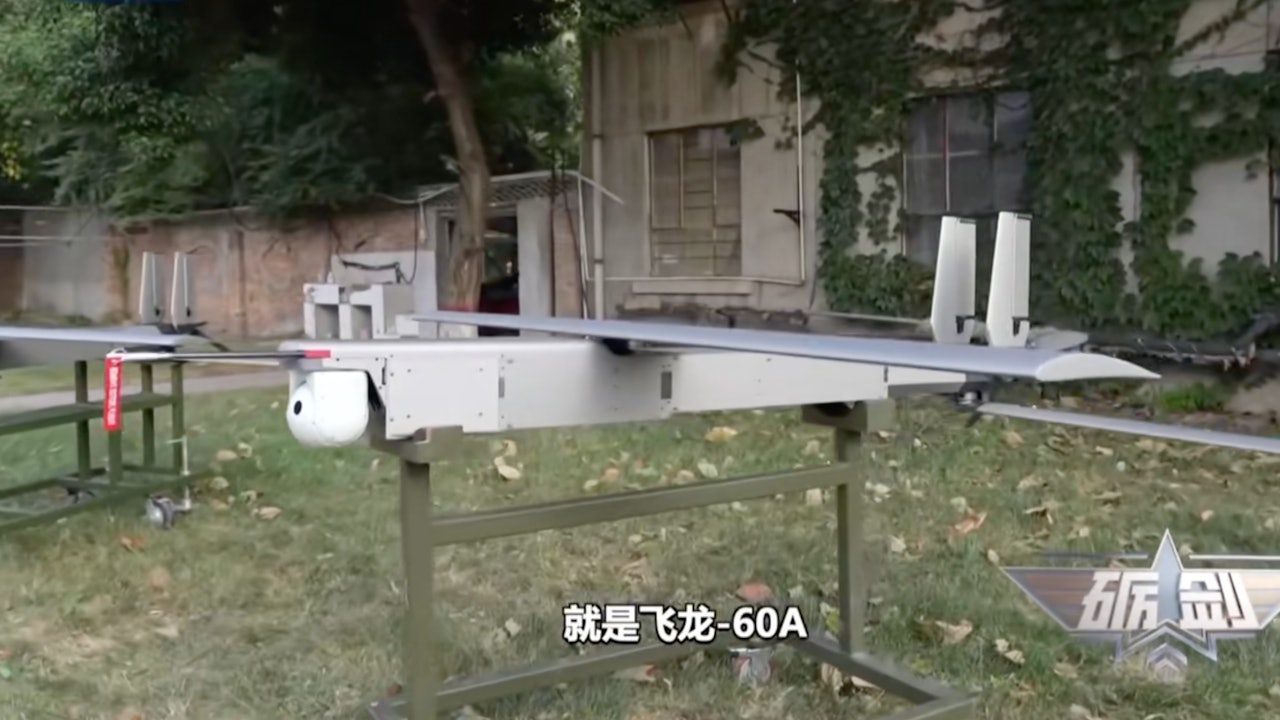
【軍傳媒/軍事科技】中國近期公開的飛龍-60A系列察打一體巡飛彈,將傳統「遊蕩彈藥」(loitering munition)的打擊功能,逐漸把原本輔助偵察功能,轉變為主導火力鏈運作的核心裝備。飛龍-60A系列察打一體巡飛彈的誕生,顯示其正嘗試將傳統火箭炮體系由「依賴偵察→射擊」的擊殺鏈模式,轉型為「自主搜尋→即時打擊」的快速作戰體系,此一變化,對傳統砲兵偵測、標定乃至反砲兵作戰概念,構成結構性衝擊。
從火力鏈到自主打擊:飛龍-60A對砲兵偵測體系的顛覆
傳統砲兵作戰高度依賴偵察、通資系統與射擊單位之間的分工。以反砲兵雷達為例,其核心任務是在敵方砲彈發射後,透過彈道反推定位敵方火力來源,進而引導反擊。此類系統的運作前提,是敵方火力需持續發射並暴露彈道特徵,同時反擊火控系統必須運作快速,以及即時整合火力發射系統,才能達到有效反擊。因此強大的偵查、運算、夠威力的火力投射裝備缺一不可。
而解放軍飛龍-60A的設計邏輯,則從根本上直接繞過這一流程,其將偵察、識別與打擊整合於單一彈體中,發射後即可進入目標區域滯空巡航,並透過內建演算法進行目標辨識與攻擊。火力運用不再依賴外部提供精確座標,而是由武器本身完成搜尋與決策。其概念與MQ-9等高空偵察機類似,只是更低價、可消耗、本身就是攻擊彈藥。
這種能力看來普通,卻帶來幾項關鍵改變。首先,傳統「先定位再射擊」的作業流程被大幅壓縮甚至取消,同時使砲兵單位逐漸具備獨立完成偵察與打擊的能力,改變其在戰場中的角色定位。
由於遠程精準打擊需要即時觀測情資,才能執行精準打擊。美軍E3即便隨機停放不同的跑道位置,仍被精準命中天線部位導致整架高價值資產報銷,一定是有精準即時情資提供定位,以目前來說最可能的是衛星情資,但仍有一定的時間差。飛龍-60A的另一項關鍵特性,在於其與既有多管火箭系統的整合能力,而若與整個遠程火力打擊能力串聯,未來則可能顛覆整個戰場運作。
舉例來說,如果飛龍-60A的成本夠低,其可當作目前的蜂群遠程自殺無人機一樣,大量對已知目標發射,同時在到達目標區域殘存的無人機中,可即時標定其餘目標位置,滯空能力及導引攻擊能力使其可形成持續壓制效果,甚至是第一波目標為防空系統,第二波再攻擊無防備目標,或是多重混合。此一轉變大幅壓縮防禦方反應時間,同時更容易造成防空系統大量消耗高價彈藥或是快速被標定摧毀,戰場態勢將會一面倒。

台灣的防衛調整:傳統防空手段將被顛覆
對台灣而言,飛龍-60A所帶來的挑戰,在於其對整體作戰節奏與防護概念的改變。當敵方火力單位具備自主搜尋能力後,防禦方式將有根本性的改變。美伊戰爭暴露過往以高價防空飛彈建構的防禦能力將可能全部崩潰。以色列因為距離伊朗夠遠,目前的威脅仍以彈道飛彈為主,即便如此世界頂尖的鐵穹防空系統仍捉襟見肘,彈藥補充不上造成無法有效攔截。
海灣各國受到伊朗的無人機攻擊則是鮮明例子,海灣各國開戰前是防空裝備最精良數量最多,不到十天已經打光防空飛彈彈藥,之後重要設施一個個被點名挨炸,伊朗海空軍及遠程防空飛彈近乎被完全摧毀情況下,海灣國家輔以戰鬥直升機以擊砲攔截無人機,顯見其防空壓力,然而俄羅斯公布無人機搭載空對空飛彈版本,可能又將改變相關局面。
在此情況下,台灣防衛體系急需進行相應調整,根據推測,遠火單位一次投射火力約588枚,還不包括彈道飛彈及可能的大量無人機襲擊,先把空投空射的彈藥當成雙方空軍軍力互抵排除,飛龍-60A的出現將會增加解放軍地面火力打擊的投射密度及精準度,若第一、二波瞄準的目標包括防空單位,不論是彈藥消耗或裝備被摧毀,台灣的防空能力將快速被瓦解。
飛龍-60A所代表的,不僅是一款新型遊蕩彈藥,更是一種作戰思維的轉變。當火力單位能自行完成搜尋與打擊,戰場的時間與空間壓力將同步提升。
台灣必須強化對低空小型目標的偵測感知能力,導入多層次感測手段以提升覆蓋率,同時需快速裝備低成本、高效率的反無人機手段,包括大量砲射火力與電子干擾能力。伊朗曾利用第一波無人機消耗美軍方陣快砲彈藥後,第二波無人機摧毀美國大使館的防禦偵測雷達,這些都是應重視的戰例。如今特別預算大部分放在更多飛彈的採購,以美伊戰爭的消耗來看,獲得日期有可能是10年後,因此其他的防空能力建立將刻不容緩。

China’s Feilong-60 Loitering Munition Reshapes Long-Range Strike Concepts
China’s recently revealed Feilong-60 series loitering munition marks a shift in how unmanned strike systems are employed. Traditionally, loitering munitions played a supporting reconnaissance role, but the Feilong-60 integrates sensing and strike functions into a single platform, positioning itself as a core element in the kill chain. This reflects a transition from the conventional “detect–target–fire” model toward “autonomous search and immediate strike,” potentially reshaping artillery operations and counter-battery concepts.
Conventional artillery relies heavily on coordination between reconnaissance assets, communication systems, and firing units. For example, counter-battery radars detect incoming fire and trace trajectories to locate enemy positions, requiring continuous enemy emissions and rapid response integration. In contrast, the Feilong-60 bypasses this process by combining detection, identification, and engagement within a single munition. Once launched, it can loiter over a target area, autonomously identify targets, and execute strikes without relying on external targeting data.
This approach compresses or eliminates traditional targeting timelines, enabling artillery units to independently conduct reconnaissance and strike missions. Its concept resembles high-end ISR platforms, but at lower cost and with expendable characteristics.
If produced at scale, such systems could be deployed in swarms, saturating target areas. Surviving units could continue to search, designate, and strike additional targets, creating sustained pressure. For example, initial waves could target air defense systems, followed by subsequent strikes on exposed assets. This would significantly reduce defensive reaction time while forcing defenders to expend costly interceptors or risk rapid system degradation.
For Taiwan, the challenge lies in the disruption of existing defense concepts. When adversaries possess autonomous search-and-strike capabilities, reliance on traditional air defense systems becomes increasingly strained. Recent conflicts have shown that even advanced systems can be overwhelmed by large numbers of low-cost drones, leading to rapid depletion of interceptors and exposure of critical infrastructure.
In such a scenario, Taiwan’s defense posture would require adjustment. Large-scale salvos, potentially combined with drones and missiles, could increase strike density and precision. If early waves focus on air defense assets, Taiwan’s defensive capacity could degrade quickly through both attrition and direct destruction.
The Feilong-60 represents not just a new munition, but a shift in operational thinking. As strike platforms gain autonomy, battlefield tempo accelerates and defensive pressure intensifies. Taiwan will need to enhance detection of low-altitude, small targets, adopt layered sensing networks, and field cost-effective countermeasures such as electronic warfare and rapid-fire systems.
Ultimately, the evolution of such systems underscores a broader trend: modern warfare increasingly favors efficiency, autonomy, and mass deployment over reliance on a limited number of high-cost assets.