

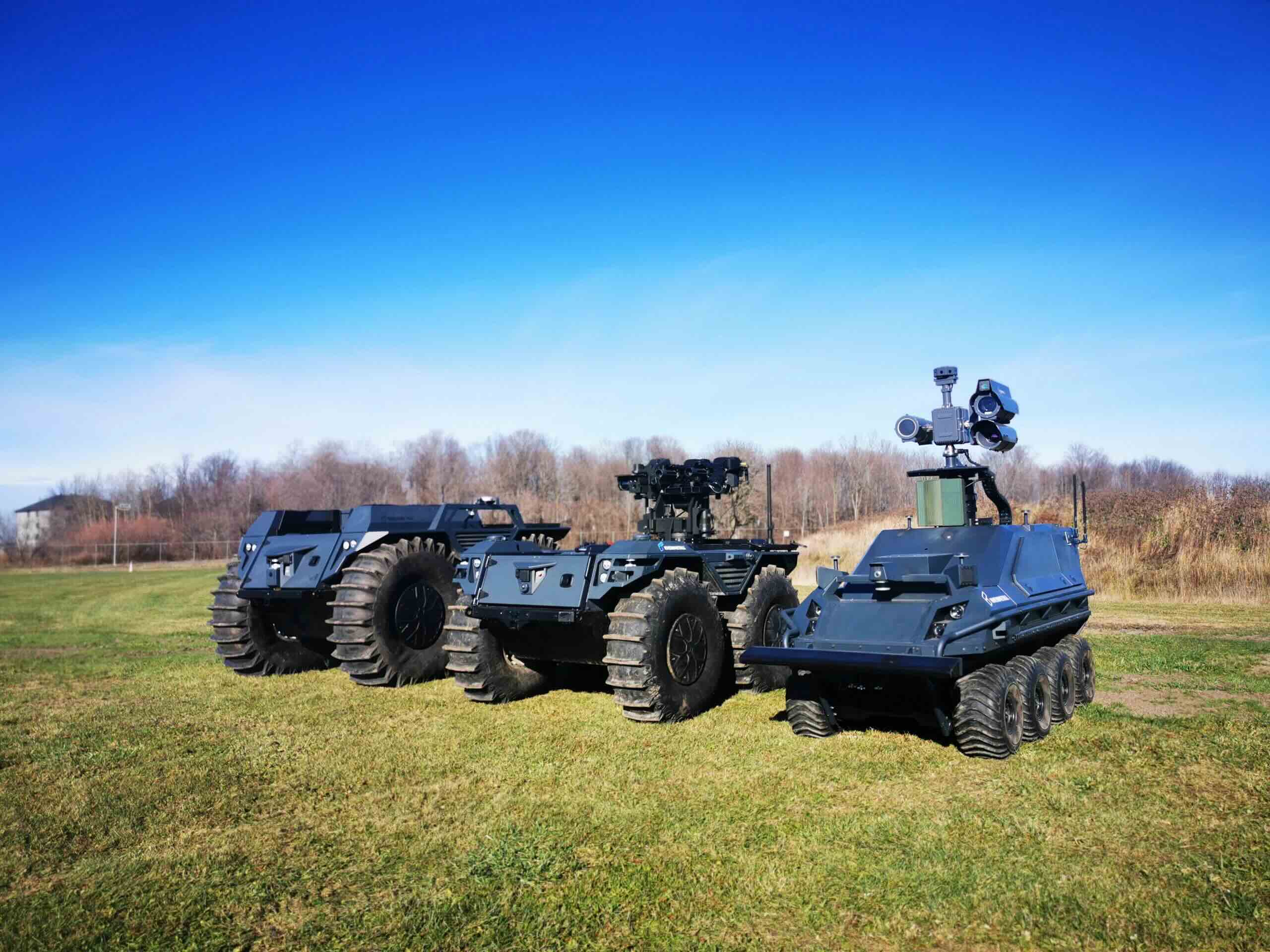
【軍傳媒/國際軍事新聞】2026年2月28日,美國與以色列對伊朗採取軍事行動後,伊朗展開強力反擊,中東局勢迅速升高,波斯灣周邊國家面臨前所未有的防空壓力。伊朗透過飛彈與無人機對區域內關鍵設施進行打擊,使既有防空體系顯露出明顯缺口。在這樣的戰略環境下,德國政府罕見調整長期以來極為嚴格的軍火輸出政策,推出所謂「一般性出口許可」制度,大幅簡化軍事裝備出口流程。
這項政策的核心改變,在於將原本逐案審查的制度,轉變為企業可先行出貨、再進行後續登錄與回報。換言之,德國已從過去以政治與道德審查為主的出口模式,轉向更具戰時彈性的快速供應體系。這不僅是行政程序的調整,更代表德國在戰略思維上的明顯轉向。
戰場需求驅動下的政策突破
德國長期以來在軍火輸出上採取高度謹慎態度,其法律基礎來自戰後建立的《戰爭武器控制法》,所有軍用裝備出口皆須經過政府批准,並考量人權、區域穩定與外交影響。然而,俄烏戰爭已使這套體系首次出現鬆動,而美伊戰爭則進一步加速其轉變。
在伊朗持續發動無人機與飛彈攻擊的背景下,波灣國家對防空系統的需求呈現即時性與大量化的特徵。傳統的審查流程已無法滿足這種高頻率、短時效的緊急戰場需求,德國政府因此選擇以制度鬆綁作為回應,使軍工企業能夠快速供應防空與相關支援設備。
但此次德國政策修改並未全面開放所有武器類別,而是明確聚焦於防禦性裝備與關鍵支援系統,包括防空系統、雷達、維護海上安全設備如排雷裝置等,顯示德國仍試圖在戰略需求與政治風險之間維持平衡,但其出口思維已明顯從「是否應該出口」轉為「如何更快出口」。


萊茵金屬的產業擴張與戰略定位
在政策鬆綁與戰場需求同步推升下,德國軍工產業迎來新一波成長動能,其中最具代表性的企業即為萊茵金屬。作為德國最大的軍事裝備供應商之一,該公司產品涵蓋裝甲車輛、軍用卡車、彈藥系統與防空相關技術,其產品線完整且具高度整合能力。
隨著全球防空需求急速上升,萊茵金屬高層已公開指出,西方國家的防空與彈藥庫存正快速消耗,補充需求遠超過既有產能。為回應這一趨勢,公司已啟動新一輪產能擴張計畫,包含在歐洲新建飛彈與火箭生產線,並提升既有彈藥產量。
這樣的擴張並非短期應變,而是反映出軍工產業正進入長期高需求階段。從烏俄戰爭的長期消耗、美伊戰爭所帶來的短期需求,使各國更加重視防空與後勤體系的韌性,進而帶動相關設備的持續採購。對萊茵金屬而言,公司型態從單一武器裝備供應商,轉型為提供整體作戰支援系統提供者,包括協助需求國家建立後勤生產廠房等支援輸出。
萊茵金屬的關鍵優勢,除了傳統火力系統外,該公司在軍用車輛與後勤支援領域同樣具備成熟技術。這使其能在德國本身出口政策鬆綁後,不僅受益於武器需求,更能掌握非致命裝備市場的擴張機會。


從火力輸出走向系統輸出
德國此次政策調整所展現的一個重要趨勢,是軍火外銷輸出結構的改變,過去以武器本體為核心的輸出模式,逐漸轉向以整體系統與支援能力為主。
這類系統包括防空感測器、指揮管制設備、無人機防禦系統,以及各類軍用運輸與保障車輛。相較於傳統武器裝備,這些裝備在政治上較具可接受性,同時在現代戰場中已經證明與武器裝備具有同等甚至更關鍵的地位。
現代戰爭已不再只是火力對抗,而是整體軍事系統之間的競爭。防空網絡是否完整、後勤補給是否順暢、基地防護是否具備韌性,往往直接決定作戰持續能力。在此背景下,德國選擇強化這類裝備的輸出,不僅符合國際政治環境,也更貼近實際戰場需求。
台灣的潛在受益與合作空間
在德國政策轉向與產業擴張的雙重影響下,台灣雖不在此次快速出口機制的直接適用範圍內,但仍可能透過產業合作或後續政策調整,獲得實質受益,這些潛在合作多集中於非致命裝備與支援體系,而非武器本體。
首先,在軍用車輛領域,萊茵金屬具備完整的產品體系,涵蓋高機動戰術卡車、裝甲運輸車與各式後勤支援平台。對台灣而言,強化機動補給能力與戰場後勤效率,是提升整體防衛韌性的關鍵。透過引進或合作生產相關車輛,不僅可提升作戰持續力,也能在災害應變與民防體系中發揮作用。
其次,在機場與基地防護方面,德國技術在快速修復設備與防空支援系統上具有成熟經驗。台灣面對潛在的飛彈與無人機威脅,機場維持運作能力至關重要。相關設備如跑道快速修補系統、地面支援車輛與反無人機整合系統,皆屬於低政治敏感度但高實用性的裝備。
再者,在海上安全領域,德國於排雷與港口防護方面具備長期技術積累。台灣作為海島型國家,航道安全與港口防護直接影響經濟與軍事運作。透過引進相關設備與技術,可強化對灰色地帶威脅的應對能力。
整體而言,德國政策鬆綁所帶來的機會,不在於傳統武器採購,而在於建立一套更完整的支援體系,這種以系統為核心的能力建構,其實更符合台灣現階段的防衛需求,行政院的「強化防衛韌性及不對稱戰力計畫採購特別條例」就包含厚植國防產業,台灣應該趁這個機會引進技術合作建立相關產能,才是真正對台灣有幫助。

戰略現實下的產業與政策再定位
德國軍火輸出政策的鬆動,是戰場壓力與戰略現實的反映,從俄烏長期戰爭到美伊突發衝突,歐洲逐步認識到,僅依賴傳統審慎政策,已難以應對快速變化的安全環境,且也不符合需求。
此次改革不僅改變了出口程序,更重新定義了軍工產業在國家戰略中的角色,北約從對烏俄戰爭大力支持對烏軍援,到態度轉彎支持美國對伊朗的態度,甚至願意出兵協助和姆茲海峽的安全,顯見北約從原本綏靖主義開始逐漸改變。當然對軍工企業而言,這是一個產能與市場同步擴張的契機,而對德國國家而言,則是提升戰略影響力的重要工具。
在這樣的趨勢及共同目標下,未來國際軍火市場將不再僅以武器性能為競爭核心,而是轉向整體系統與支援能力的比拼,對台灣而言,如何在這一轉變中利用各國態度的改變,找機會切入非致命裝備與後勤體系合作,將是提升防衛韌性的重要關鍵。

Easing of German Arms Export Controls: Policy Shift and Industrial Restructuring Under Wartime Pressure
On February 28, 2026, following military operations by the United States and Israel against Iran, Tehran launched a forceful retaliation, rapidly escalating tensions across the Middle East. Countries around the Persian Gulf faced unprecedented air defense pressure as Iran employed missiles and unmanned systems to strike critical infrastructure, exposing clear gaps in existing defense networks. Against this backdrop, the German government made a rare adjustment to its traditionally strict arms export policy by introducing a so-called “general export authorization” framework, significantly streamlining the process for exporting military equipment.
The core change lies in shifting from a case-by-case approval system to one that allows companies to proceed with deliveries first, followed by subsequent registration and reporting. In effect, Germany has moved from an export model centered on political and ethical scrutiny toward a more flexible, wartime-oriented rapid supply system. This represents not only an administrative adjustment but also a clear shift in strategic thinking.
Policy Breakthrough Driven by Battlefield Demand
Germany has long maintained a cautious stance on arms exports, grounded in the postwar War Weapons Control Act, which requires government approval for all military exports while taking into account human rights, regional stability, and diplomatic considerations. However, the Russia-Ukraine war began to loosen this framework, and the recent U.S.-Iran conflict has accelerated the transformation.
Amid sustained Iranian missile and drone attacks, demand for air defense systems in Gulf states has become both immediate and large-scale. Traditional approval processes have proven insufficient to meet such high-frequency, time-sensitive battlefield requirements. Germany has therefore opted to relax its regulatory framework, enabling defense firms to rapidly supply air defense systems and related support equipment.
Notably, this policy shift does not constitute a blanket liberalization of all weapons exports. Instead, it focuses on defensive systems and critical support capabilities, including air defense systems, radar, and maritime security equipment such as mine countermeasure systems. This indicates that Germany is still seeking to balance strategic necessity with political risk, even as its export philosophy shifts from “whether to export” toward “how to export more quickly.”
Rheinmetall’s Expansion and Strategic Positioning
With policy relaxation and rising battlefield demand reinforcing each other, Germany’s defense industry is entering a new phase of growth. Among the most prominent beneficiaries is Rheinmetall, one of the country’s leading defense suppliers. Its portfolio spans armored vehicles, military trucks, ammunition systems, and air defense technologies, offering a highly integrated product lineup.
As global demand for air defense surges, Rheinmetall executives have noted that Western stockpiles of air defense systems and ammunition are being rapidly depleted, with replenishment needs far exceeding current production capacity. In response, the company has launched a new wave of expansion, including the construction of missile and rocket production lines in Europe and increased ammunition output.
This expansion is not merely a short-term response but reflects a transition toward sustained, long-term demand. The prolonged consumption of the Russia-Ukraine war, combined with the immediate pressures generated by the U.S.-Iran conflict, has heightened the importance of resilient air defense and logistics systems. Rheinmetall is accordingly evolving from a platform-based supplier into a provider of integrated operational support systems, including assistance in establishing localized production facilities for partner nations.
Beyond traditional firepower systems, Rheinmetall’s established expertise in military vehicles and logistical support provides a key advantage. This enables the company not only to benefit from increased weapons demand but also to capture growth opportunities in non-lethal and support equipment markets.
From Platform Exports to System-Level Capabilities
A key trend highlighted by Germany’s policy shift is the transformation of export structures—from a focus on individual weapon platforms to an emphasis on integrated systems and support capabilities.
These systems include air defense sensors, command and control networks, counter-unmanned systems, and various categories of military transport and support vehicles. Compared to traditional weapons, such systems are generally more politically acceptable while proving equally—if not more—critical in modern operational environments.
Contemporary warfare is no longer defined solely by firepower, but by competition between integrated military systems. The completeness of air defense networks, the efficiency of logistics, and the resilience of base protection directly determine operational sustainability. In this context, Germany’s emphasis on exporting such capabilities aligns both with the international political climate and with real-world operational requirements.
Potential Benefits and Cooperation Opportunities for Taiwan
Although Taiwan is not directly covered under Germany’s expedited export framework, it may still benefit through industrial cooperation or future policy adjustments. These opportunities are likely to concentrate on non-lethal equipment and support systems rather than core weapon platforms.
In the field of military vehicles, Rheinmetall offers a comprehensive portfolio including high-mobility tactical trucks, armored transport vehicles, and various logistics support platforms. For Taiwan, enhancing mobility and logistical efficiency is essential to strengthening overall defense resilience. The introduction or co-production of such systems could improve operational endurance while also contributing to disaster response and civil defense capabilities.
In terms of airfield and base protection, Germany possesses mature technologies in rapid repair systems and air defense support infrastructure. Given Taiwan’s exposure to missile and drone threats, maintaining airfield operability is critical. Equipment such as rapid runway repair systems, ground support vehicles, and integrated counter-drone solutions represent highly practical and relatively low-sensitivity options.
In the maritime domain, Germany has long-standing expertise in mine countermeasures and port security. As an island nation, Taiwan’s economic and military stability is closely tied to the security of its sea lanes and ports. Acquiring such technologies could enhance its ability to respond to gray-zone threats.
Overall, the opportunities arising from Germany’s policy shift lie not in traditional arms procurement, but in building a more comprehensive support ecosystem. This system-centric approach aligns closely with Taiwan’s current defense priorities. Government initiatives aimed at strengthening defense resilience and asymmetric capabilities already emphasize the development of domestic industry, and leveraging this moment for technology transfer and capacity-building would offer tangible long-term benefits.
Repositioning Industry and Policy Under Strategic Realities
Germany’s easing of arms export controls reflects the pressures of evolving strategic realities. From the prolonged Russia-Ukraine conflict to the sudden escalation involving Iran, Europe has increasingly recognized that traditional, highly restrictive frameworks are insufficient to address rapidly changing security demands.
This reform not only alters export procedures but also redefines the role of the defense industry within national strategy. NATO’s posture has also evolved—from strong support for Ukraine to a broader alignment with U.S. positions in the Middle East, including willingness to contribute to maritime security operations in the Strait of Hormuz. This shift signals a gradual move away from earlier restraint toward a more proactive security posture.
For defense companies, this environment presents an opportunity for simultaneous expansion in capacity and market reach. For Germany, it serves as a tool to enhance strategic influence. Under these shared dynamics, the global defense market is likely to shift away from competition based solely on weapon performance toward a broader contest of system integration and sustained operational capability.
For Taiwan, identifying entry points within this transition—particularly in non-lethal equipment and logistics systems—will be critical to strengthening long-term defense resilience.