

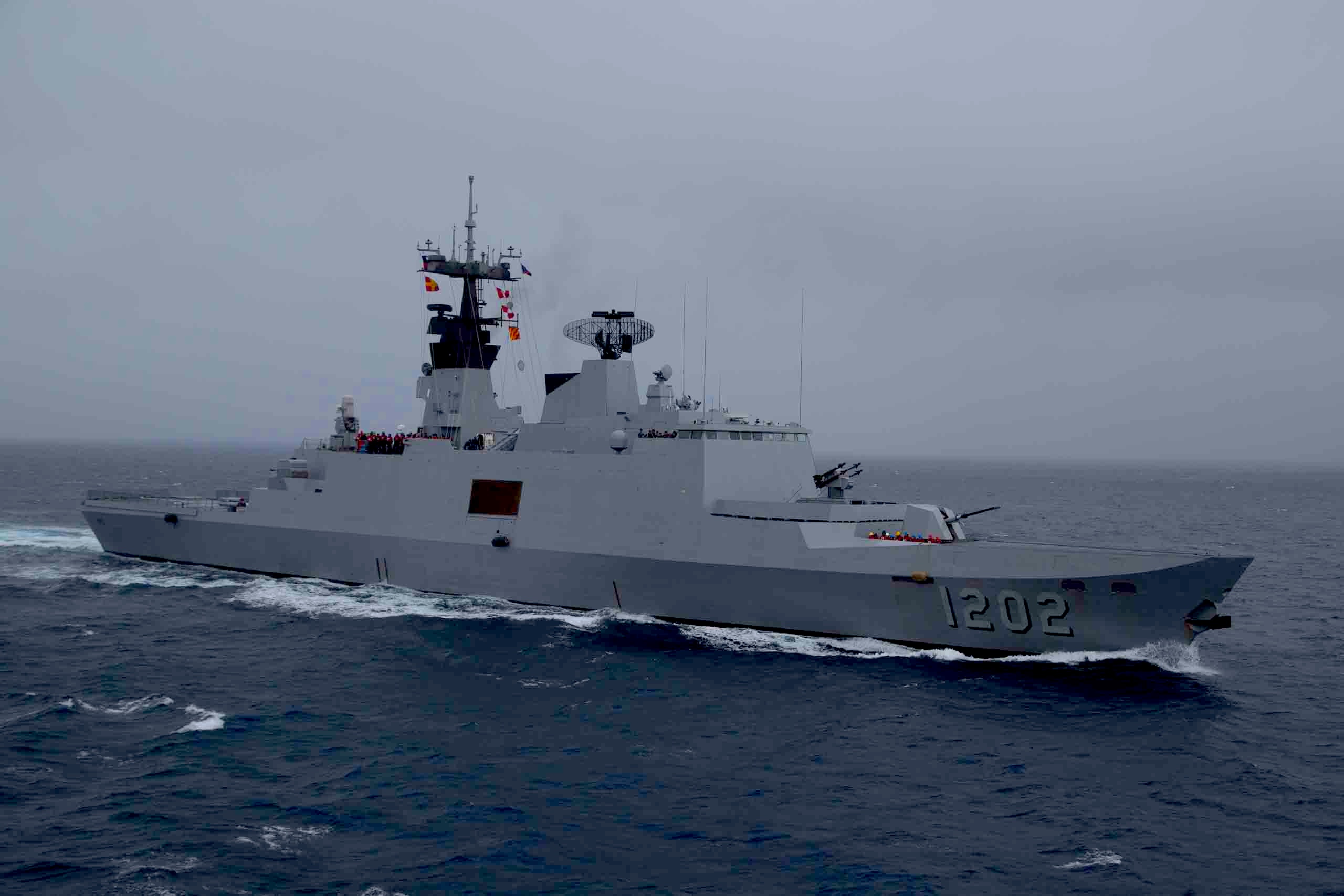
【軍傳媒/國內軍事新聞】日前通過7800億國防預算特別條例,執政黨傳出重新提新一版本國防預算特別條例的聲音,不管未來如何,我們先來分析台灣國防最需要增強的部分
1. 整合式防空與反飛彈能力
台灣最急迫的威脅之一,是飛彈、火箭、無人機與巡弋飛彈的飽和攻擊。必須加速建立高、中、低空多層攔截,並把雷達、被動偵蒐、光電感測、電子戰、短程防空、野戰防空、反無人機系統整合成共同作戰圖像。台灣不能只依靠昂貴攔截彈,必須建立高低成本搭配的攔截體系。
強弓系統未納入特別預算,並不等於中科院先進飛彈研發能力會立即中斷。更精確地說,這次受到影響的是「量產採購與系統建置速度」,而不是中科院既有研發能力本身。強弓飛彈已被中科院定位為陸基中層反戰術彈道飛彈系統,包含強弓飛彈、機動垂直發射架、戰術中心車與AESA雷達車,具備中空層攔截戰術彈道飛彈、與低層反飛彈系統形成重層攔截火網的定位。若361億元量產案改由年度預算支應,最直接風險是與天弓三型後續量產、既有防空飛彈維持案、彈藥採購與其他國防優先項目產生排擠,導致產線節奏、測評驗收、雷達與射控整合、部隊換裝訓練時程延後。
從產業與技術角度看,強弓若無法穩定量產,將削弱中科院把研發成果轉為實戰部署的能力。飛彈研發不是一次性完成設計即可結束,量產階段會反過來支撐供應鏈成熟、製程改善、可靠度修正、批次測試、備料制度與後續改良型研發。若量產被延後或縮小,中科院仍可繼續做研究,但研發、製造、測試、部署之間的閉環會變慢,也會影響下一代攔截彈、主動雷達尋標器、AESA火控雷達、推力向量控制與抗干擾資料鏈等技術累積。換言之,取消或延後強弓採購不會讓中科院「失去研發飛彈的能力」,但會降低先進飛彈技術從實驗、戰測走向規模化部署與持續改良的速度。

2. 無人機與反無人機量產能力
台灣必須把無人機視為消耗品與常備彈藥,而不是少量高價裝備。偵察型、巡飛彈型、FPV攻擊型、海上無人載具、電子干擾型與誘餌型都需要快速擴充。反無人機方面,則需同步建置偵測、干擾、硬殺、軟殺、定向能與近程火力攔截能力,並下放到營、連、排級作戰單位與關鍵基礎設施。
但台灣真正的問題,不只是「買得太少」,而是過去若干採購案已暴露出需求定義、POC測試、驗收標準與責任追究不足的結構問題。以陸軍採購創未來科技26套固定式反無人機系統為例,全案金額約9.8億元,原規劃部署於金馬外島、桃園龍潭等重要地點,但首批13套交貨後,陸軍依契約性能檢查表逐項驗測,結果綜判「不合格」。後續又傳出二次驗測仍未過關,陸軍才進入解約程序。更早在POC驗證階段,外界即質疑測試標準是否在招標過程中被放寬,甚至有媒體報導稱,測試內容被認為過於透明,廠商可能已掌握無人機機型與飛出方位,導致驗證結果未必能反映真實戰場環境。
這類案例的嚴重性不在單一廠商成敗,而在於反無人機系統本身高度依賴「真實場景測試」。戰場上的無人機不會按照固定航線、固定高度、固定頻段與固定時間出現,也不會配合測試單位讓系統有充分準備時間。若驗收只檢查設備是否能在預設條件下偵測或干擾目標,無法測出面對低空慢速、貼地飛行、跳頻、抗干擾、靜默飛行、群飛、誘餌與多方向滲透時的實際能力,最後可能形成「帳面有部署,戰時不可靠」的風險。
無人機採購也有類似問題。過去陸軍戰術型無人機採購曾被媒體質疑,單價高、規格看似嚴格,但實際驗收標準卻可能低於市場同級產品;部分已採購或研製的無人機,也曾因飛行穩定性、抗風、滯空、影像傳輸、熱顯像酬載、資料鏈抗干擾與妥善率等問題受到批評。這代表台灣若只是追求「國造數量」或「快速成案」,卻沒有把前線部隊使用回饋、維修週期、耗材供應、抗干擾測試與戰場適應性納入合約,就會買到不符合實戰需求的裝備。
更深層的問題,是台灣對無人載具的運用思維仍明顯落後於現代戰場變化,進而加深民眾對相關採購的不信任。俄烏戰爭已經證明,無人機不是少數專業單位偶爾使用的偵察輔助工具,而是從排、連、營到旅級火力鏈的一部分,必須與偵察、校射、打擊、電子戰、後勤補給、戰傷撤離與戰場管理系統結合。烏克蘭的做法尤其值得參考:其無人機部隊透過前線回饋快速修正戰術,並讓部隊能透過數位化採購平台自行選擇任務所需的FPV無人機、電子戰裝備與地面無人載具,形成「前線需求—市場供給—實戰驗證—快速淘汰」的循環。這種模式不代表完全放棄政府監督,而是把決策速度、使用者回饋與作戰成效納入採購體系。
美國的方向則是把無人載具定位為「可消耗、可大量部署、可跨領域運用」的精準數量戰力。Replicator倡議的核心不是打造少量昂貴平台,而是在空中、海上與其他領域快速部署大量可承受損耗的自主系統;後續Replicator 2又轉向小型無人機威脅的反制,並強調保護關鍵設施與部隊集結區。這說明美軍已意識到,未來作戰不能只靠傳統大型平台,而必須用大量低成本無人系統與反無人機網路分散風險。
以色列的經驗則顯示,即使擁有先進防空系統,仍可能面對低空、小型、慢速、低成本無人機與FPV攻擊的穿透壓力。因此以色列近年加速把雷達、光電、干擾、硬殺攔截、雷射與既有防空系統整合成多層反無人機架構。其重點不是相信單一神奇裝備,而是建立多層、分散、持續更新的反制網。
相較之下,台灣過去常把無人機當成專案採購、展示品或少量建案,而不是把它放進整個作戰編裝、訓練、彈藥消耗、維修補給與指管體系。當民眾看到反無人機系統驗收失敗、POC被質疑放水、已採購無人機性能不佳,卻又聽到政府持續提出龐大無人機預算,自然會產生「是不是又在亂買」的疑慮。這種信任危機並非民眾不懂國防,而是政府沒有用可驗證的作戰邏輯說明:買這些無人機要配給哪一級部隊、執行什麼任務、多久消耗、如何補充、如何維修、如何抗干擾、如何接入指管系統、如何評估戰果。
因此,台灣若要追上世界趨勢,必須把無人載具從「裝備採購」提升為「作戰體系改革」。第一,無人機應正式納入各級部隊編裝,而非臨時任務小組;第二,採購應區分消耗型、可回收型與高價長航時平台,不能用同一套思維管理所有無人機;第三,應讓前線部隊參與規格制定與測評,避免由後方單位或廠商簡報決定需求;第四,必須建立快速淘汰與快速追加機制,性能差的產品應及早退出,表現好的產品應快速擴量;第五,國防部應定期公布不涉密的採購成效指標,例如交付數量、妥善率、訓練時數、部隊回饋、驗收通過率與改良進度。只有當民眾看到國軍不是盲目追逐無人機熱潮,而是依據戰場需求、實測成績與部隊回饋進行採購,對無人載具預算的信任才可能恢復。
下一波無人機與反無人機採購應改採更嚴格的分階段制度。第一,POC測試必須由第三方與實兵部隊共同設計,測試場景應包含未知航線、未知起飛點、多型無人機、低空貼地、夜間、雨霧、電磁干擾、跳頻與多目標飽和情境,不能讓廠商事先掌握完整題庫。第二,決標不應只看價格與簡報,而應採取「先小批量、後擴充」模式,第一批交付後先部署到外島、機場、雷達站、彈藥庫與指揮所進行長時間實地運用,通過部隊評估後才能追加採購。第三,合約必須把偵測距離、辨識率、誤警率、干擾成功率、反應時間、同時接戰目標數、系統可用率、維修時間、零組件供應、軟體更新與資安要求寫入驗收條件。第四,應建立失敗淘汰機制,若同一系統多次驗收未過,不能無限期修正,更不能在未釐清原因前繼續得標其他關鍵基礎設施案。第五,國防部應建立跨軍種無人系統測評中心,把陸軍、海軍、空軍、海巡、警政與關鍵基礎設施需求整合,避免各單位各買各的,形成互不相容的孤島系統。
因此,新一波預算若要投入無人機與反無人機,重點不應只是把預算加回來,而是要把採購制度一起改掉。台灣需要的是能在前線部隊長時間使用、能快速維修、能抗干擾、能量產、能與指管系統整合的裝備,而不是只在展示場、簡報與預設測試條件下看起來先進的系統。

3. 彈藥、備份零件與分散式維修
台灣應大幅提高防空飛彈、反艦飛彈、精準彈藥、火砲彈藥、反裝甲彈藥與無人機耗材庫存。在面對解放軍的飽和攻擊下,國軍一定需要分散式維修設施、地下化或半地下化儲存庫、小型快速替換模組零件庫存場用以維持戰損修復能力。戰爭不是只有第一波交戰,而是能否撐過長時間封鎖與消耗,而相關基礎建設的建置似乎也沒有在特別預算內,因此無從得知國防部對未來相關的規劃,對比過往許多國防部回應文字「都在掌握中」、「都有相關規劃」後來證實只是敷衍用語,實際上並未達到外界期盼應有作為,這點也是國防部必須反省的原因之一。
4. 海上拒止與反封鎖能力
台灣需強化岸置反艦飛彈、機動式反艦火力、水雷與智慧型水下感測、無人艇、無人潛航器、港口防護、海岸雷達與海巡、海軍、陸軍岸防部隊的聯合指管。台灣的核心任務應該不是與解放軍海軍艦隊對稱決戰,而是讓對方難以安全接近、封鎖、登陸與維持補給。但是目前這些採購的無人載具該適合單位掌管,戰時如何與其他單位對接,如何納入整體作戰規劃體系等都沒有明確訊息,甚至連如何庫藏儲存、配置、維修保養等訊息都付之闕如,而參考目前國軍使用無人機的思維落後模式,以及一次採購大數量而未考慮到後續迭代更新,很難讓民眾全力支持相關的採購方式及預算。
5. C4ISR、AI輔助決策與抗干擾通訊
台灣需要把偵蒐、指揮、通訊、網路、電子戰與火力單位連成更短的擊殺鏈。AI輔助不應被理解成噱頭,而是用於大量目標辨識、敵情融合、火力分配、戰損評估與後勤調度,若指管系統被癱瘓,再多武器也會變成各自為戰。不過此分類項目多牽涉機敏,外界很難看出規劃好壞端倪。
6. 後備、民防與關鍵基礎設施韌性
中國若採取封鎖、飛彈打擊或灰色地帶壓迫,目標不只是國軍,而是整個社會的承受力。台灣需強化油電水、通訊、港口、機場、醫療、網路與交通系統的備援能力,並讓後備部隊、民防、地方政府、警消與國軍指管系統能在戰時有效協同。這部分對民眾來說更是霧裡看花,至少目前的關鍵基礎設施幾乎都看不到任何的防護,相關預算也未見編列,只有民間組織不斷在開課賣商品鼓吹全民防衛韌性,目前的全民防衛韌性似乎只依賴民間自覺的提升,政府相關的作為仍未見明顯成效。
結論
7800億元版本不是台灣國防的完整答案,它只能支撐一批關鍵對美軍購,對短期戰力提升有幫助,也是個政治表態;但若商購、委製、無人系統、AI指管、國內產線、非紅供應鏈與作戰持續量能沒有被後續預算補足,台灣的防衛體系仍會出現結構性缺口。
台灣當前最需要的不是單純在「1.25兆」與「7800億」的金額之間做政治對決,而是把每一筆錢對應到明確戰力指標,錢花下去要達到什麼樣目標、能攔多少、能打多遠、能撐多久、能否量產、能否分散、能否維修、能否在通訊受干擾下作戰。國防預算的真正標準,不是數字大小,而是能否在最短時間內形成可驗證、可持續、可擴充的防衛能力。

Following the passage of Taiwan’s NT$780 billion special defense budget bill, voices within the ruling party have already begun discussing the possibility of proposing a revised and expanded version in the future. Regardless of how future legislation develops, the current debate highlights a more important question: what areas does Taiwan’s defense posture most urgently need to strengthen?
- Integrated Air Defense and Missile Defense
One of Taiwan’s most immediate threats is saturation attack warfare involving ballistic missiles, rockets, drones, and cruise missiles. Taiwan urgently needs to accelerate the establishment of a layered interception network covering high, medium, and low altitudes, while integrating radar systems, passive detection, electro-optical sensors, electronic warfare, short-range air defense, field air defense, and counter-drone systems into a unified operational picture.
Taiwan cannot rely solely on expensive interceptor missiles. It must build a mixed high-low cost interception structure capable of sustaining long-term defense operations.
The exclusion of the “Strong Bow” missile system from the special budget does not mean NCSIST’s advanced missile research capability will suddenly collapse. More accurately, the primary impact concerns the speed of mass production and deployment rather than the institute’s underlying research capacity itself.
The Strong Bow system has been positioned by NCSIST as a land-based medium-layer anti-tactical ballistic missile system consisting of interceptor missiles, mobile vertical launchers, tactical command vehicles, and AESA radar units. Its intended role is to provide mid-altitude interception against tactical ballistic missiles while complementing lower-layer missile defense systems in a layered defense network.
If the planned NT$36.1 billion production program must instead rely on ordinary annual budgets, the greatest risk is competition with other defense priorities such as Sky Bow III missile production, existing air defense sustainment programs, ammunition procurement, and other modernization efforts. This could delay production schedules, testing and evaluation, radar and fire-control integration, and troop transition training.
From an industrial perspective, unstable production of Strong Bow would weaken NCSIST’s ability to convert research achievements into operational deployment. Missile development does not end once a design is completed. Mass production itself supports supply chain maturation, manufacturing refinement, reliability improvement, batch testing, logistics preparation, and follow-on upgrades.
If production is delayed or reduced, NCSIST can still continue research, but the cycle connecting research, manufacturing, testing, and deployment becomes slower. This directly affects future technologies such as next-generation interceptors, active radar seekers, AESA fire-control radars, thrust vectoring systems, and anti-jamming data links.
In other words, delaying Strong Bow procurement will not eliminate Taiwan’s missile development capability, but it will reduce the speed at which advanced missile technologies move from experimental testing to scalable operational deployment.
- Drone and Counter-Drone Mass Production Capability
Taiwan must begin treating drones as consumable battlefield assets and routine ammunition rather than limited high-cost equipment.
Reconnaissance drones, loitering munitions, FPV attack drones, maritime unmanned systems, electronic warfare drones, and decoy systems all require rapid expansion. At the same time, Taiwan must establish layered counter-drone capabilities including detection, jamming, hard-kill interception, soft-kill disruption, directed-energy systems, and short-range firepower interception distributed down to battalion, company, and platoon levels as well as critical infrastructure sites.
However, Taiwan’s real problem is not simply that it buys too few systems. Several past procurement programs have exposed structural weaknesses in requirement definition, proof-of-concept testing, acceptance standards, and accountability mechanisms.
One notable example involved the Army’s procurement of 26 fixed-site counter-drone systems from Tron Future Technology at a cost of approximately NT$980 million. The systems were intended for deployment in Kinmen, Matsu, Longtan, and other critical locations. After delivery of the first 13 systems, Army performance testing concluded that the systems failed contractual requirements. Reports later indicated that additional testing rounds also failed, eventually forcing the Army to move toward contract termination.
Even during earlier proof-of-concept testing phases, concerns emerged regarding whether standards had been relaxed during procurement. Some media reports claimed vendors may have known the drone types and flight directions in advance, raising doubts about whether testing reflected realistic battlefield conditions.
The seriousness of these failures lies not only with a single contractor but with the nature of counter-drone warfare itself. Real combat drones do not appear along fixed routes, fixed altitudes, fixed frequencies, or fixed schedules. If acceptance testing only evaluates systems under controlled conditions, it may fail to reveal weaknesses against low-altitude flight, terrain masking, frequency hopping, electronic resistance, swarm attacks, silent flight, or multi-directional penetration.
The result may be systems that appear operational on paper but prove unreliable during wartime.
Drone procurement itself has faced similar criticism. Some tactical UAV programs were accused of excessively high prices and procurement standards that looked strict on paper but were allegedly weaker than comparable commercial products. Other systems faced criticism regarding flight stability, wind resistance, endurance, imaging capability, thermal sensors, anti-jamming data links, and overall operational reliability.
This demonstrates that Taiwan cannot simply pursue “domestic production numbers” or rapidly approved procurement projects without integrating frontline feedback, maintenance cycles, supply logistics, electronic warfare resistance, and battlefield adaptability into procurement contracts.
The deeper issue is that Taiwan’s operational thinking regarding unmanned systems still lags behind the realities of modern warfare.
The Russia-Ukraine War demonstrated that drones are no longer specialized reconnaissance tools used occasionally by elite units. They are now integrated into fire chains from platoon to brigade level, linked with reconnaissance, artillery correction, strike missions, logistics, casualty evacuation, and battlefield management systems.
Ukraine’s approach is especially instructive. Ukrainian drone units rapidly adapt tactics based on frontline feedback while allowing units to select mission-specific FPV drones, electronic warfare systems, and ground robots through digital procurement platforms. This creates a cycle of frontline demand, market supply, battlefield validation, and rapid elimination of ineffective systems.
The United States has similarly shifted toward treating drones as expendable, mass-deployable systems. The Replicator Initiative emphasizes deploying large quantities of low-cost autonomous systems rather than small numbers of expensive platforms. Replicator 2 later expanded focus toward countering small-drone threats and protecting critical infrastructure and troop concentrations.
Israel’s experience also demonstrates that even advanced air defense systems face serious challenges against small, low-flying, low-cost drones and FPV attacks. Israel’s response has been to integrate radar, electro-optical systems, jamming, hard-kill interceptors, lasers, and traditional air defense systems into layered counter-drone networks.
Taiwan, by comparison, has often treated drones as procurement projects, demonstrations, or isolated systems rather than integrated operational tools embedded into force structure, training, logistics, command systems, and wartime sustainment.
If Taiwan wishes to catch up with global trends, unmanned systems must evolve from “equipment procurement” into “operational system reform.”
Frontline units must participate directly in defining specifications and evaluation standards. Procurement systems must distinguish between expendable drones, recoverable drones, and high-endurance platforms. Rapid elimination and rapid expansion mechanisms must replace slow traditional procurement cycles. Systems that fail operational evaluation should be removed quickly, while successful systems should rapidly scale.
Future drone and counter-drone procurement should therefore adopt stricter phased evaluation systems involving realistic battlefield testing, independent oversight, long-term field deployment, and measurable operational performance criteria.
- Ammunition, Spare Parts, and Distributed Maintenance
Taiwan must dramatically expand stockpiles of air defense missiles, anti-ship missiles, precision munitions, artillery ammunition, anti-armor weapons, and drone consumables.
Distributed maintenance facilities, underground or semi-underground storage sites, and modular repair systems are equally important for sustaining combat operations under saturation attack conditions.
Modern war is not decided in the first wave of combat, but by which side can survive prolonged blockade and attrition. Yet many of these sustainment infrastructure programs appear absent from the current special budget framework.
- Maritime Denial and Anti-Blockade Capability
Taiwan’s core naval strategy should not focus on symmetrical fleet confrontation with the PLA Navy. Instead, Taiwan should concentrate on preventing Chinese forces from safely approaching, blockading, landing, or sustaining operations.
This requires stronger coastal anti-ship missile systems, mobile strike platforms, naval mines, underwater sensor networks, unmanned surface and underwater vehicles, harbor defense systems, and integrated command coordination among the Navy, Coast Guard, and Army coastal defense units.
- C4ISR, AI-Assisted Decision-Making, and Anti-Jamming Communications
Taiwan must shorten the kill chain connecting reconnaissance, command, communications, cyber systems, electronic warfare, and firepower units.
AI should not be treated as a political slogan or technology showcase. Its real battlefield value lies in target recognition, intelligence fusion, fire allocation, battle damage assessment, and logistics coordination.
Without resilient command systems, even large quantities of advanced weapons risk becoming isolated assets unable to coordinate effectively under combat conditions.
- Reserve Forces, Civil Defense, and Critical Infrastructure Resilience
If China launches blockade operations, missile strikes, or gray-zone coercion, the target will not simply be Taiwan’s military, but Taiwan’s overall societal resilience.
Taiwan therefore requires stronger backup systems for energy, communications, ports, airports, healthcare, transportation, and digital infrastructure. Reserve forces, civil defense organizations, local governments, police, firefighters, and military command systems must also be capable of functioning together during crisis conditions.
Conclusion
The NT$780 billion special defense budget is not a complete solution for Taiwan’s security challenges. It provides funding for several important U.S. arms purchases and represents a significant political signal, but it does not fully address Taiwan’s broader structural defense requirements.
If future budgets fail to restore funding for unmanned systems, AI-enabled command systems, domestic industrial capacity, non-China supply chains, and wartime sustainment capability, Taiwan’s defense structure will continue to contain major vulnerabilities.
Ultimately, Taiwan’s defense debate should not focus solely on political arguments between NT$1.25 trillion and NT$780 billion. The real question is whether every dollar spent translates into measurable combat capability: how many threats can be intercepted, how long forces can sustain operations, whether systems can be mass-produced, repaired, dispersed, and operated under electronic warfare conditions.
The true standard of defense spending is not the size of the budget itself, but whether it creates sustainable, scalable, and verifiable combat capability within the shortest possible time.